Department of Paediatric Respiratory Medicine, Staffordshire Children's Hospital at Royal Stoke, Newcastle Road, Stoke-on-Trent ST4 6QG, UK.
Division of Paediatric Pulmonology and Allergology, Department of Paediatrics and Adolescent Medicine, Medical University of Graz, Auenbruggerplatz 34/2, A-8036 Graz, Austria.
Paediatr Respir Rev. 2020 Sep;35:50-56. doi: 10.1016/j.prrv.2020.06.012. Epub 2020 Jul 4.
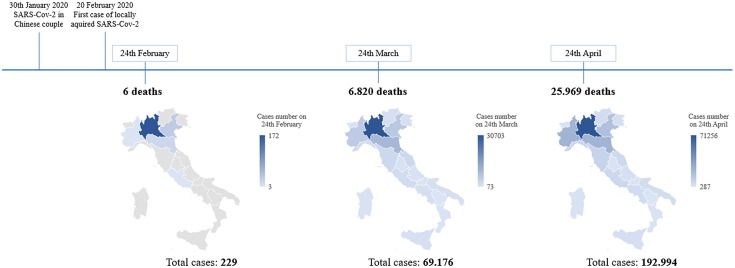
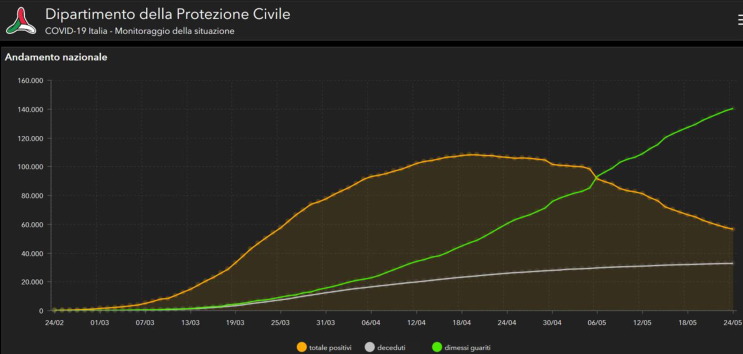
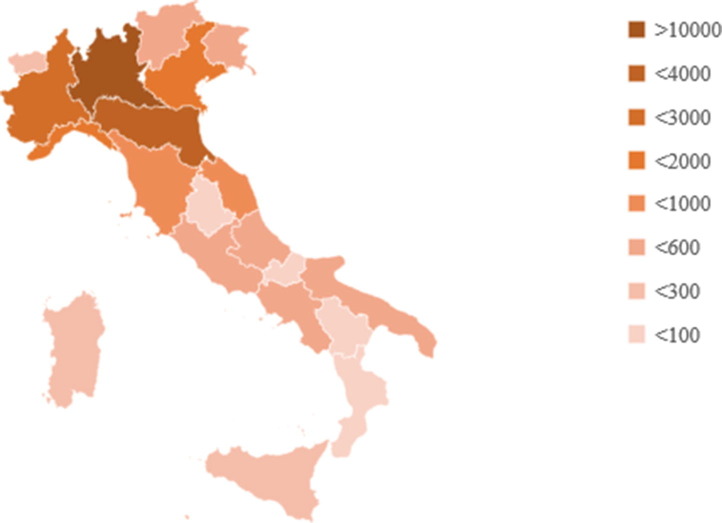
The global healthcare landscape has changed dramatically and rapidly in 2020. This has had an impact upon paediatricians and in particular respiratory paediatricians. The effects in Europe, with its mature healthcare system, have been far faster and greater than most authorities anticipated. Within six weeks of COVID-19 being declared a public health emergency by the World Health Organisation [WHO] in China, Europe had become the new epicentre of disease. A pandemic was finally declared by the WHO on March 11th 2020. Continued international travel combined with the slow response of some political leaders and a variable focus on economic rather than health consequences resulted in varying containment strategies in response to the threat of the initial wave of the pandemic. It is likely that this variation has contributed to widely differing outcomes across Europe. Common to all countries was the stark lack of preparations and initial poor co-ordination of responses between levels of government to this unforeseen but not unheralded global health crisis. In this article we highlight the impact of the first wave of the COVID-19 pandemic in Italy, Austria, Germany, and the United Kingdom.
2020 年,全球医疗保健格局发生了巨大而迅速的变化。这对儿科医生,特别是呼吸儿科医生产生了影响。在拥有成熟医疗体系的欧洲,其影响比大多数权威人士预期的要快且大得多。在中国世界卫生组织(WHO)宣布 COVID-19 为公共卫生紧急事件后的六周内,欧洲已成为疾病的新中心。2020 年 3 月 11 日,世界卫生组织最终宣布大流行。持续的国际旅行加上一些政治领导人反应迟缓,以及对经济后果而非健康后果的关注程度不同,导致各国对大流行初期浪潮的威胁采取了不同的遏制策略。这种差异很可能导致欧洲各地的结果差异很大。所有国家的共同点是,在应对这场突如其来但并非没有预警的全球卫生危机时,各级政府之间明显缺乏准备,最初协调不力。在本文中,我们重点介绍了 COVID-19 大流行第一波对意大利、奥地利、德国和英国的影响。