Centre for Ophthalmology and Visual Science/Lions Eye Institute, University of Western Australia, Nedlands, Western Australia, Australia.
Clin Exp Ophthalmol. 2020 Nov;48(8):1043-1056. doi: 10.1111/ceo.13834. Epub 2020 Aug 17.
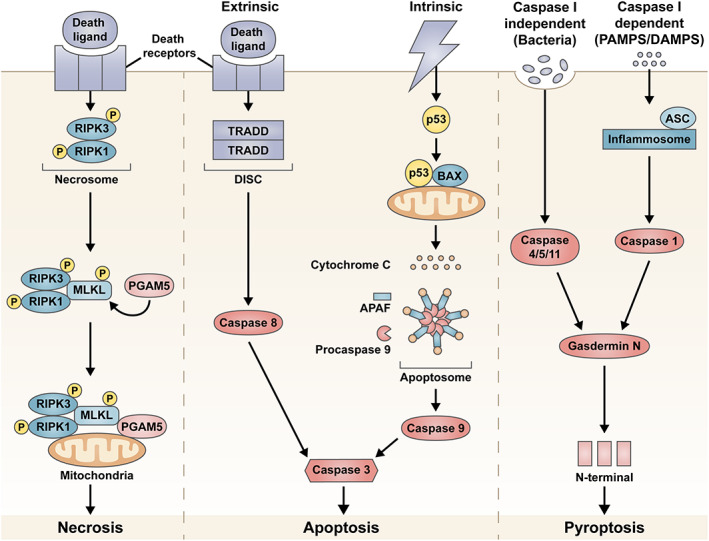
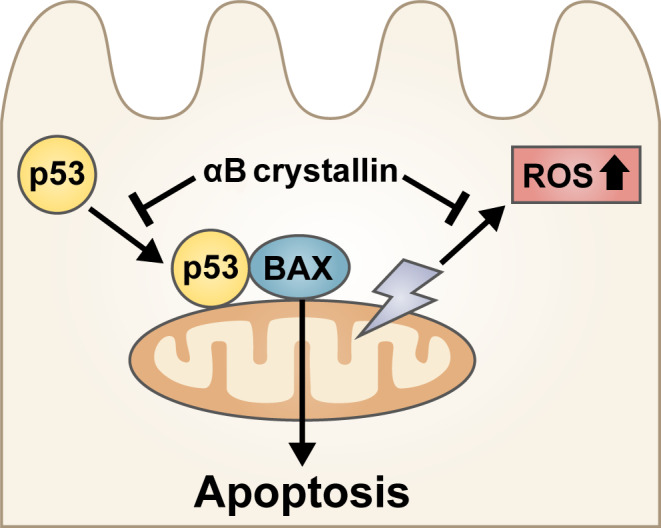
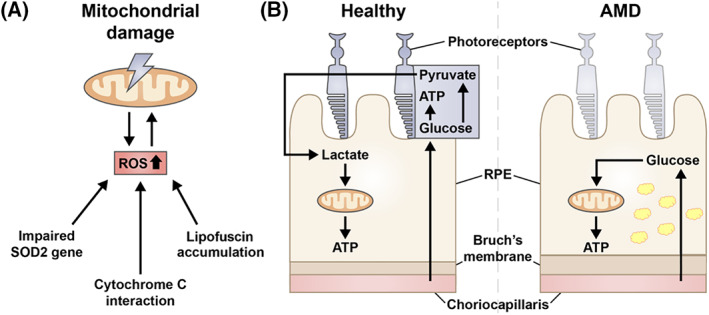
Age-related macular degeneration (AMD) is a progressive degenerative disease that is the leading cause of vision loss in the elderly population. Degeneration/dysregulation of the retinal pigment epithelium (RPE), a supportive monolayer of cells underlying the photoreceptors, is commonly seen in patients with AMD. While treatment exists for the neovascular/wet form of AMD, there is currently no cure for the non-exudative/dry form of AMD, making it imperative to understand the pathogenesis of this disease. Although our understanding of the aetiology of AMD has increased over the years, the underlying disease mechanism has not yet been identified, mainly due to the multifactorial nature of this disease. Herein, we review some of the commonly proposed degeneration pathways of RPE cells and their role in the pathogenesis of AMD; including activation of the complement cascade, oxidative stress-induced cell death mechanisms, dysfunctional mitochondria and the role of crystallins in AMD disease progression.
年龄相关性黄斑变性(AMD)是一种进行性退行性疾病,是老年人群视力丧失的主要原因。在 AMD 患者中,常见的是视网膜色素上皮(RPE)的变性/失调,RPE 是位于光感受器下方的单层支持细胞。虽然存在针对新生血管/湿性 AMD 的治疗方法,但目前尚无针对非渗出性/干性 AMD 的治愈方法,因此了解这种疾病的发病机制至关重要。尽管近年来我们对 AMD 的病因学有了更多的了解,但尚未确定其潜在的疾病机制,主要是因为这种疾病具有多因素的性质。在此,我们回顾了一些常见的 RPE 细胞变性途径及其在 AMD 发病机制中的作用,包括补体级联的激活、氧化应激诱导的细胞死亡机制、功能失调的线粒体以及晶体蛋白在 AMD 疾病进展中的作用。