Department of Orthopaedics, The First Affiliated Hospital of Nanjing Medical University, Nanjing, 210029, Jiangsu, China.
Department of Orthopaedics, Yancheng Third People's Hospital, Yancheng, 224000, Jiangsu, China.
J Nanobiotechnology. 2020 Jul 25;18(1):105. doi: 10.1186/s12951-020-00665-8.
Spinal cord injury (SCI) is a catastrophic injury that can cause irreversible motor dysfunction with high disability. Exosomes participate in the transport of miRNAs and play an essential role in intercellular communication via transfer of genetic material. However, the miRNAs in exosomes which derived from neurons, and the underlying mechanisms by which they contribute to SCI remain unknown.
A contusive in vivo SCI model and a series of in vitro experiments were carried out to explore the therapeutic effects of exosomes. Then, a miRNA microarray analysis and rescue experiments were performed to confirm the role of neuron-derived exosomal miRNA in SCI. Western blot, luciferase activity assay, and RNA-ChIP were used to investigate the underlying mechanisms.
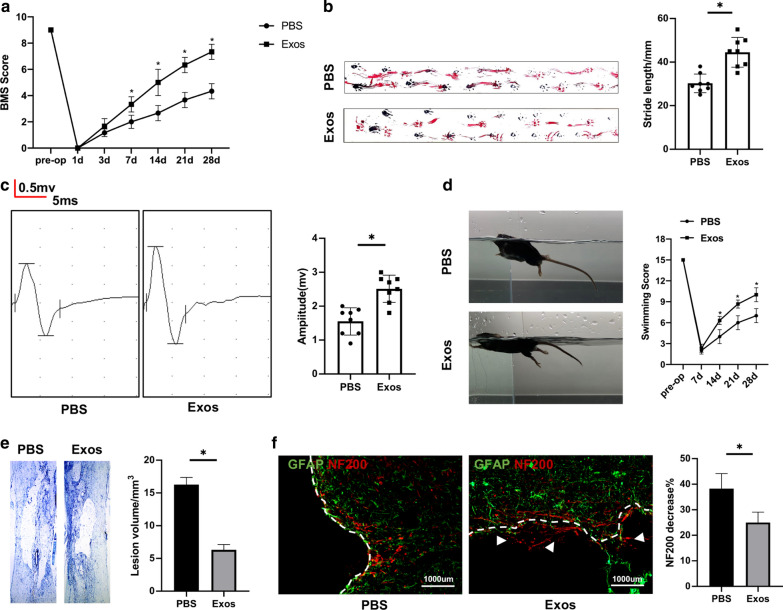
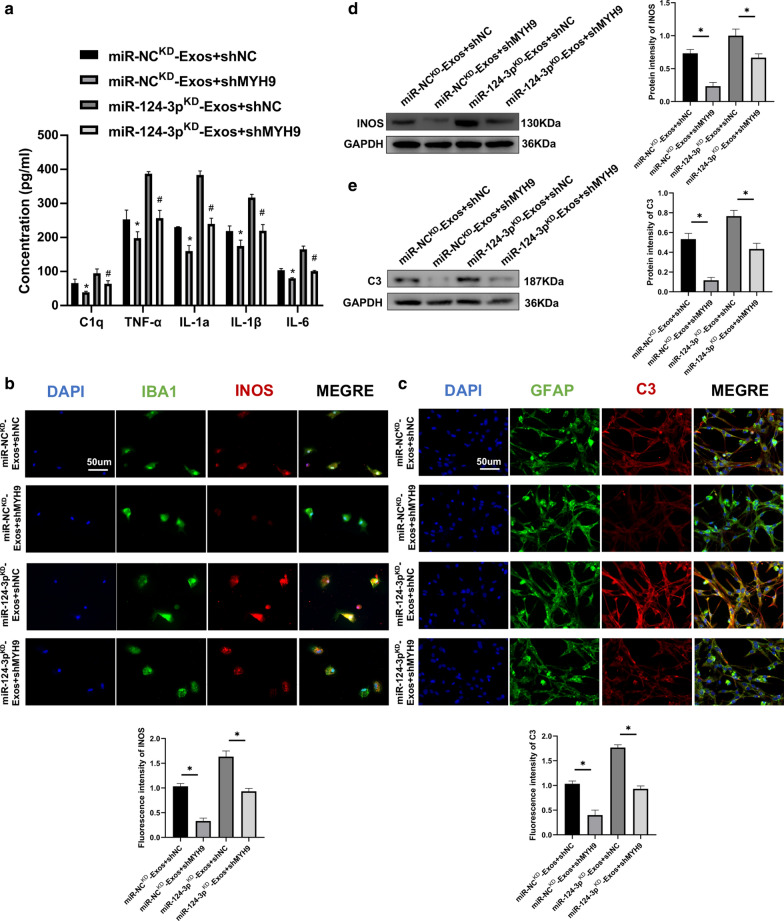
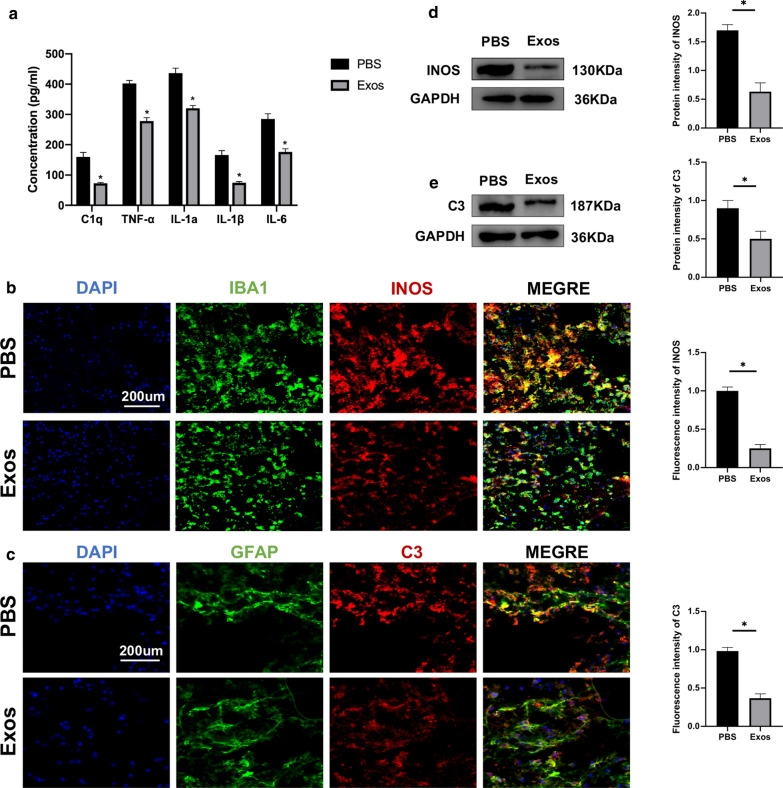
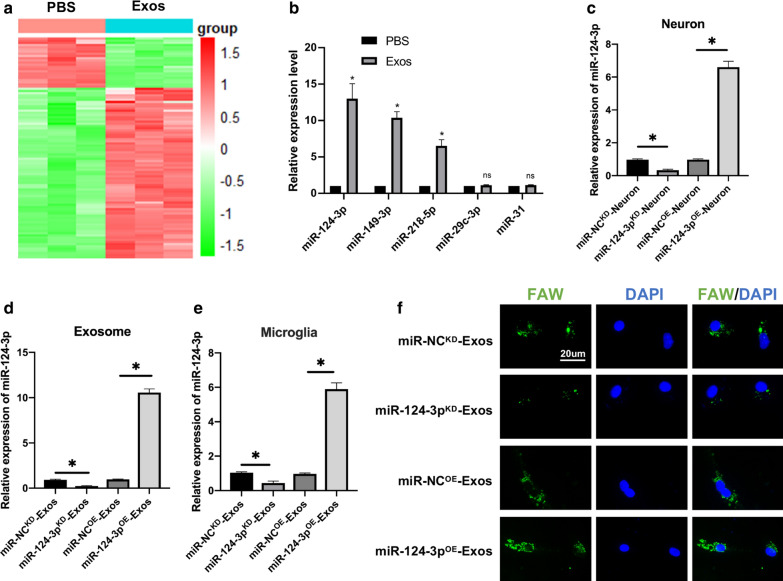
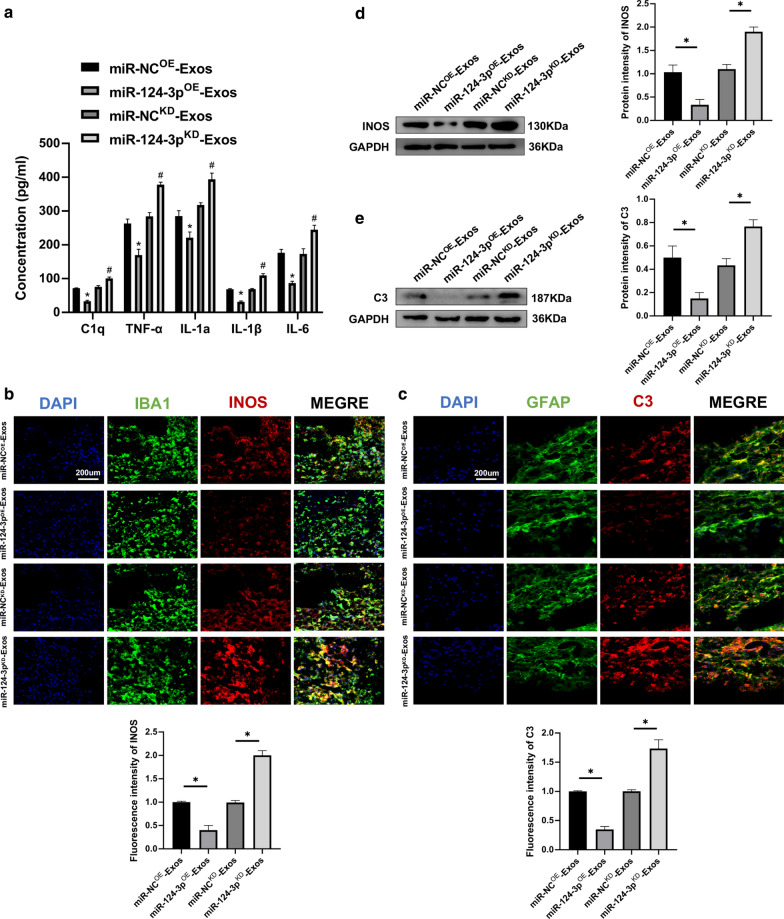
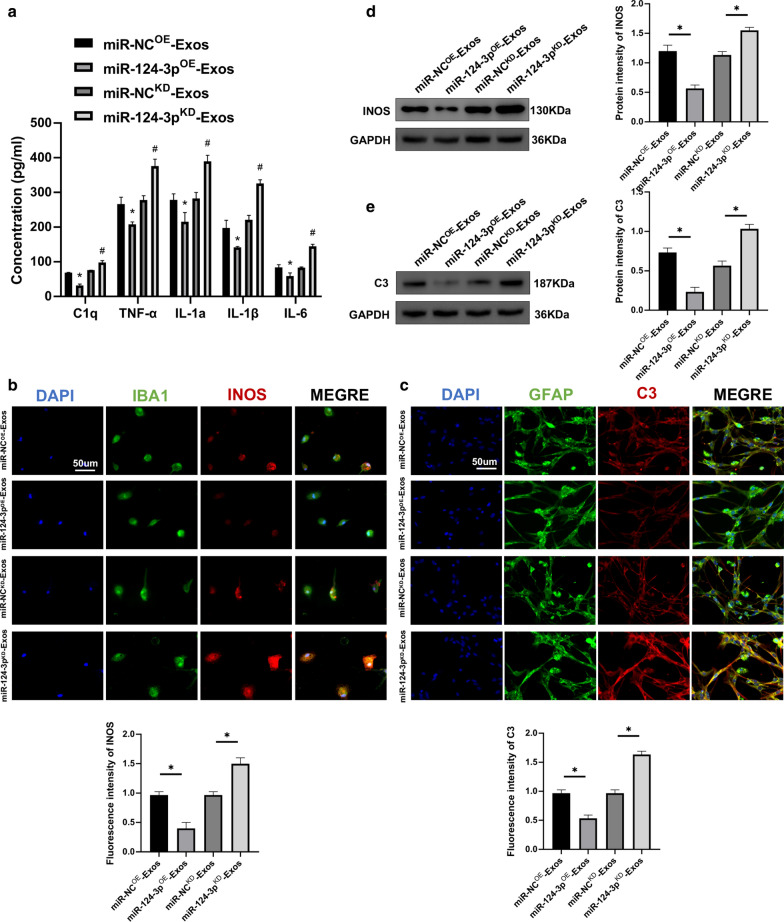
The results indicated that neuron-derived exosomes promoted functional behavioral recovery by suppressing the activation of M1 microglia and A1 astrocytes in vivo and in vitro. A miRNA array showed miR-124-3p to be the most enriched in neuron-derived exosomes. MYH9 was identified as the target downstream gene of miR-124-3p. A series of experiments were used to confirm the miR-124-3p/MYH9 axis. Finally, it was found that PI3K/AKT/NF-κB signaling cascades may be involved in the modulation of microglia by exosomal miR-124-3p.
A combination of miRNAs and neuron-derived exosomes may be a promising, minimally invasive approach for the treatment of SCI.
脊髓损伤(SCI)是一种灾难性的损伤,可导致不可逆转的运动功能障碍和高残疾率。外泌体参与 miRNA 的运输,通过遗传物质的转移在细胞间通讯中发挥重要作用。然而,神经元来源的外泌体中的 miRNA 以及它们促进 SCI 的潜在机制尚不清楚。
进行了一项创伤性体内 SCI 模型和一系列体外实验,以探索外泌体的治疗效果。然后,进行了 miRNA 微阵列分析和挽救实验,以确认神经元来源的外泌体 miRNA 在 SCI 中的作用。采用 Western blot、荧光素酶活性测定和 RNA-ChIP 来研究潜在机制。
结果表明,神经元来源的外泌体通过抑制体内和体外 M1 小胶质细胞和 A1 星形胶质细胞的激活,促进功能行为恢复。miRNA 芯片显示 miR-124-3p 在神经元来源的外泌体中最丰富。MYH9 被鉴定为 miR-124-3p 的下游靶基因。一系列实验用于确认 miR-124-3p/MYH9 轴。最后,发现外泌体 miR-124-3p 可能通过 PI3K/AKT/NF-κB 信号级联来调节小胶质细胞。
miRNA 和神经元来源的外泌体的联合可能是治疗 SCI 的一种有前途的微创方法。