Division of Hepatobiliary and Pancreatic Surgery, Department of Surgery, First Affiliated Hospital, School of Medicine, Zhejiang University, Hangzhou, China.
NHC Key Laboratory of Combined Multi-organ Transplantation, Hangzhou, China.
Technol Cancer Res Treat. 2020 Jan-Dec;19:1533033820944274. doi: 10.1177/1533033820944274.
Cancer-testis genes can serve as prognostic biomarkers and valuable targets for immunotherapy in multiple tumors because of their restricted expression in testis and cancer. However, their expression pattern in hepatocellular carcinoma is still not well understood. The purpose is to comprehensively characterize the cancer-testis gene expression in hepatocellular carcinoma as well as identify prognostic markers and potential targets for immunotherapy.
Cancer-testis database and publicly available data sets reporting new cancer-testis genes were integrated, and then restricted them in a testis and hepatocellular carcinoma expression pattern. Pathway enrichment analysis and survival analysis were conducted to evaluate the biological function and prognostic effect of cancer-testis genes. Clustering analysis and coexpression analysis were performed to illustrate cancer-testis gene expression patterns in hepatocellular carcinoma. The association of gene expression of each cancer-testis gene to the corresponding methylation status was detected. Finally, we explored the associations between cancer-testis genes and CD8 T-cell infiltration in hepatocellular carcinoma by TISIDB, and then validated it in an independent hepatocellular carcinoma cohort with 72 patients.
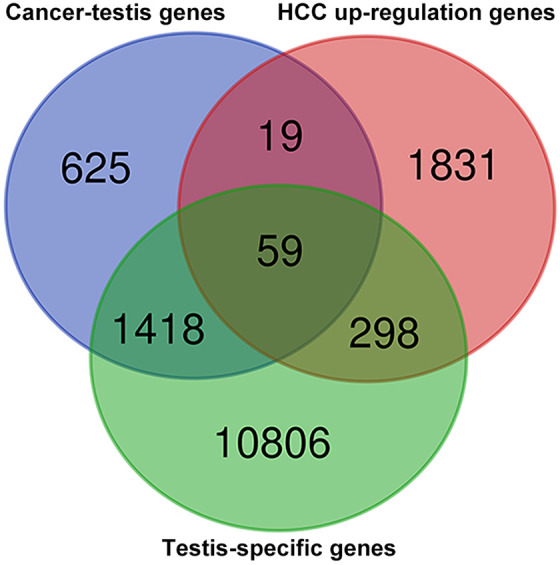
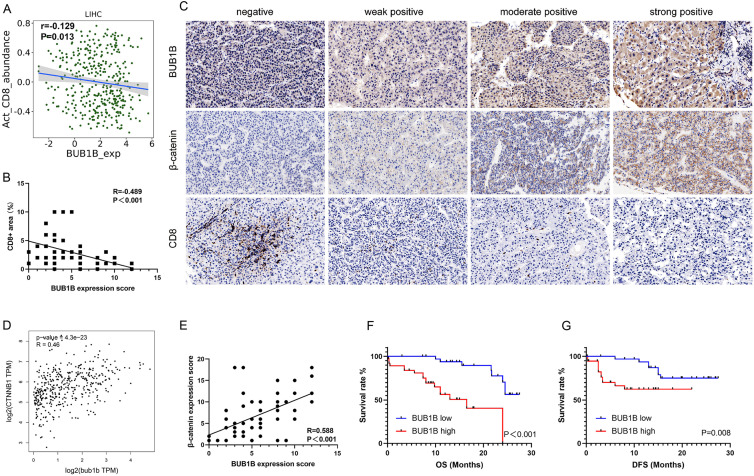
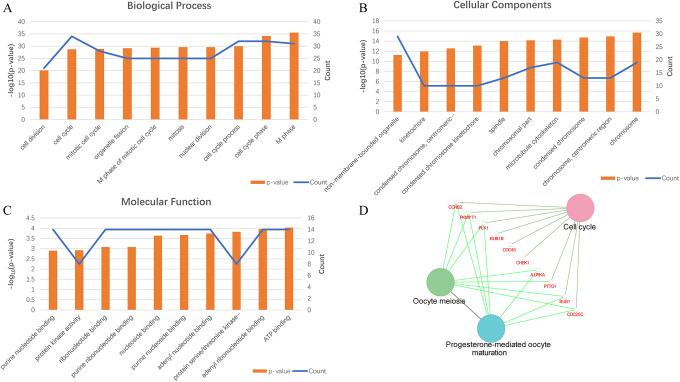
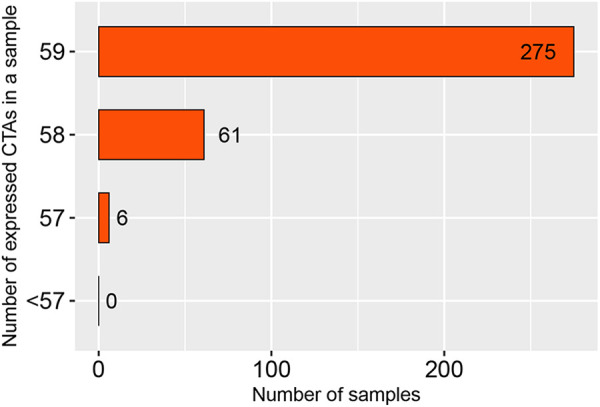
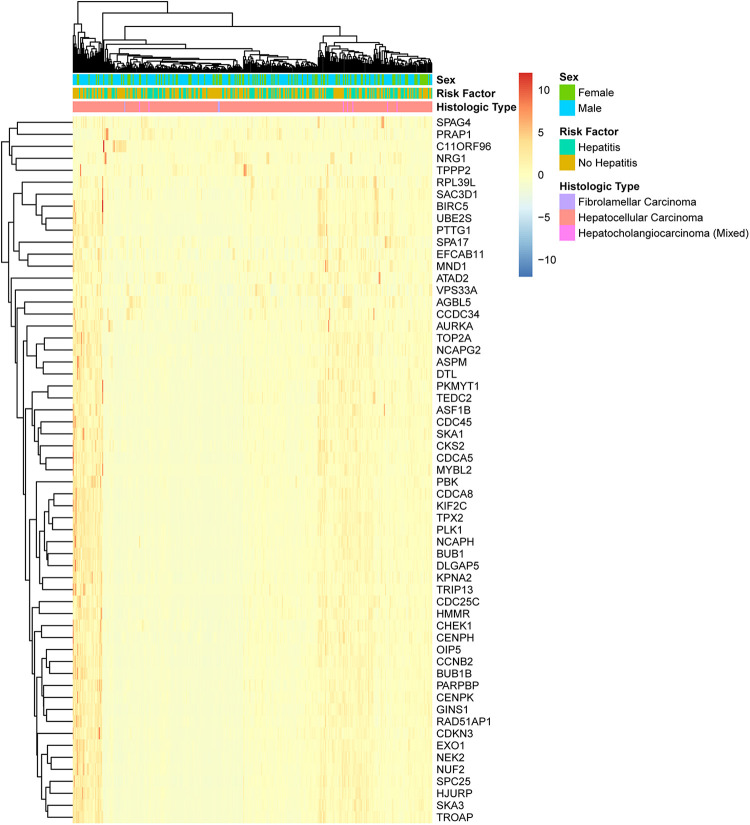
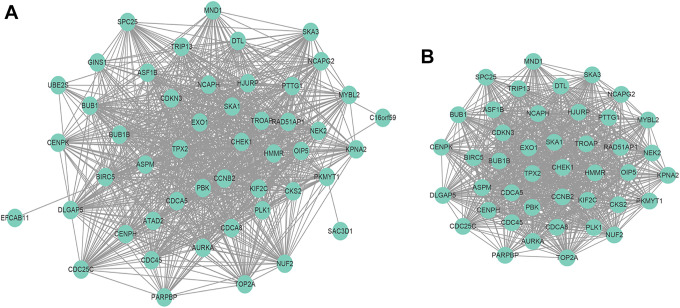
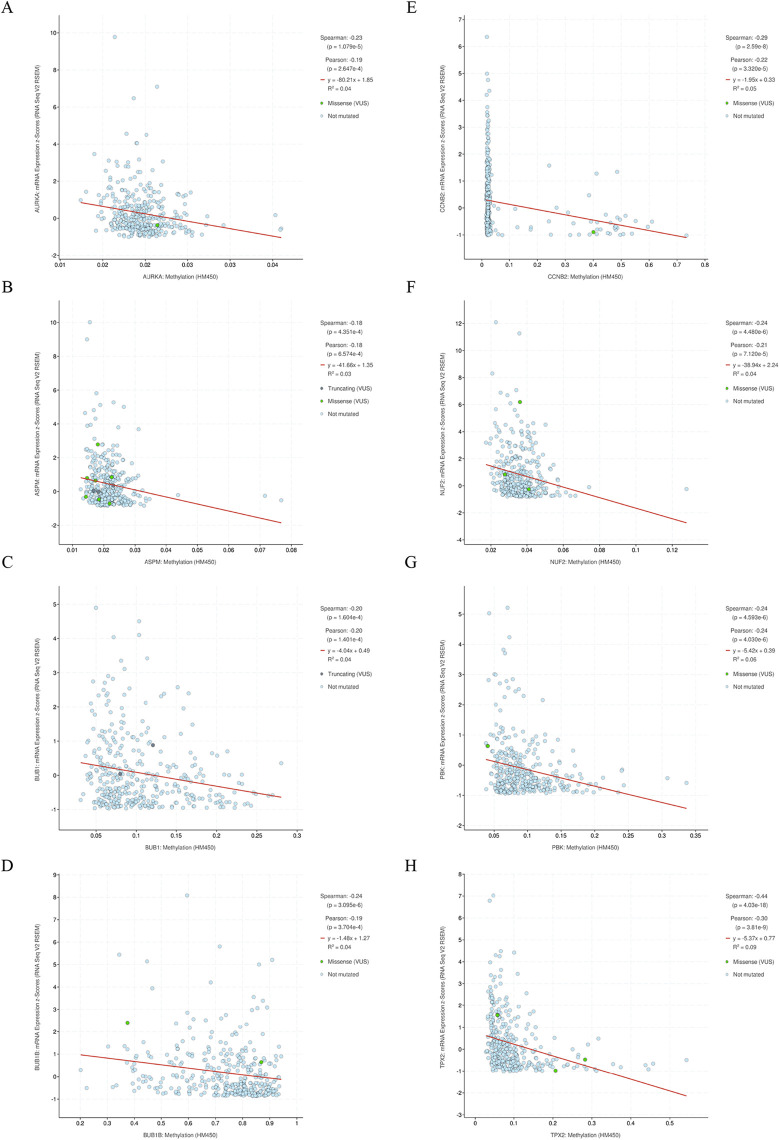
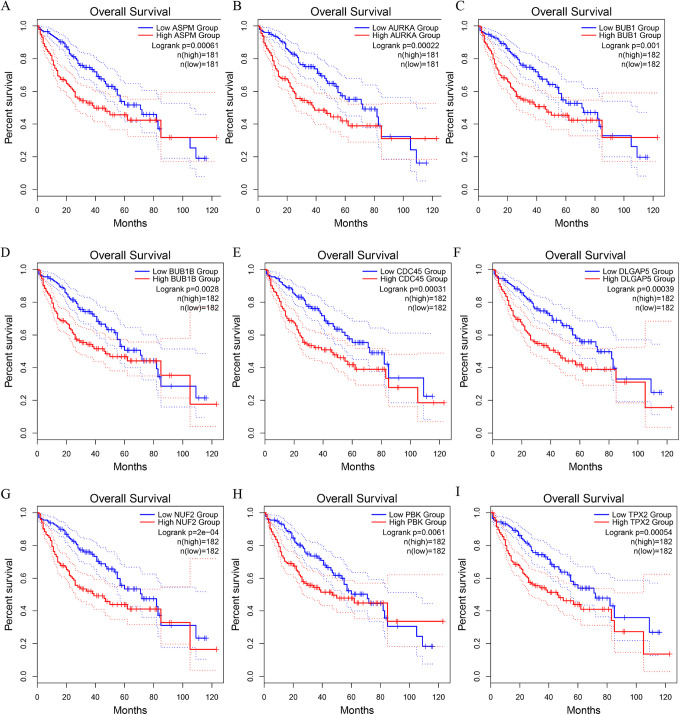
A total of 59 testis-specific genes were identified highly expressed in hepatocellular carcinoma. Pathway enrichment analysis revealed that cancer-testis genes in hepatocellular carcinoma significantly involves in the process of cell cycle regulation. Most of the cancer-testis genes were coexpressed, and cluster analysis suggested that cancer-testis gene expressed in hepatocellular carcinoma is independent of sex, hepatitis status, and histology type. We also found that demethylation might be a regulatory mechanism of cancer-testis gene expression in hepatocellular carcinoma. Survival analysis indicated that cancer-testis genes could predict the prognosis of patients with hepatocellular carcinoma. Furthermore, BUB1B was identified contributing to the resistance of CD8 T-cell infiltration in hepatocellular carcinoma and was an independent prognostic factor both for overall survival and disease-free survival.
Our analysis enables better understanding of cancer-testis genes in hepatocellular carcinoma and provides potential targets for hepatocellular carcinoma treatment. Experimental and clinical studies are needed for further validations.
由于癌症睾丸基因在睾丸和癌症中特异性表达,因此它们可以作为多种肿瘤的预后生物标志物和免疫治疗的有价值靶点。然而,其在肝细胞癌中的表达模式尚不清楚。本研究旨在全面描述肝癌中癌症睾丸基因的表达,并鉴定预后标志物和免疫治疗的潜在靶点。
整合癌症睾丸数据库和报道新癌症睾丸基因的公共数据集,并将其限制在睾丸和肝细胞癌的表达模式中。进行通路富集分析和生存分析,以评估癌症睾丸基因的生物学功能和预后效应。进行聚类分析和共表达分析,以说明肝癌中癌症睾丸基因的表达模式。检测每个癌症睾丸基因的基因表达与相应的甲基化状态的关联。最后,我们通过 TISIDB 探讨了癌症睾丸基因与肝细胞癌中 CD8 T 细胞浸润的关联,并在 72 例独立的肝细胞癌队列中进行了验证。
共鉴定出 59 个在肝癌中高表达的睾丸特异性基因。通路富集分析显示,肝癌中的癌症睾丸基因显著涉及细胞周期调控过程。大多数癌症睾丸基因共表达,聚类分析表明肝癌中癌症睾丸基因的表达与性别、肝炎状态和组织学类型无关。我们还发现去甲基化可能是肝癌中癌症睾丸基因表达的调控机制。生存分析表明,癌症睾丸基因可以预测肝癌患者的预后。此外,BUB1B 被鉴定为导致肝癌中 CD8 T 细胞浸润抵抗的原因,并且是总生存期和无病生存期的独立预后因素。
我们的分析使我们更好地理解了肝癌中的癌症睾丸基因,并为肝癌的治疗提供了潜在的靶点。需要进行实验和临床研究以进一步验证。