Park Insun, Johnson Linda K, Cox Allaura, Branchford Brian R, Di Paola Jorge, Bublil Erez M, Majtan Tomas
Section of Genetics & Metabolism, Department of Pediatrics, University of Colorado Anschutz Medical Campus, Aurora, CO 80045, USA.
Department of Pathology, University of Colorado Anschutz Medical Campus, Aurora, CO 80045, USA.
Biomedicines. 2020 Jul 24;8(8):244. doi: 10.3390/biomedicines8080244.
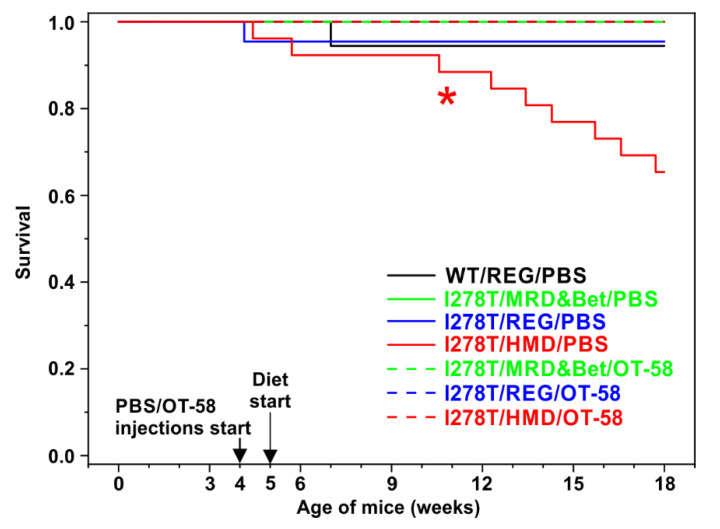
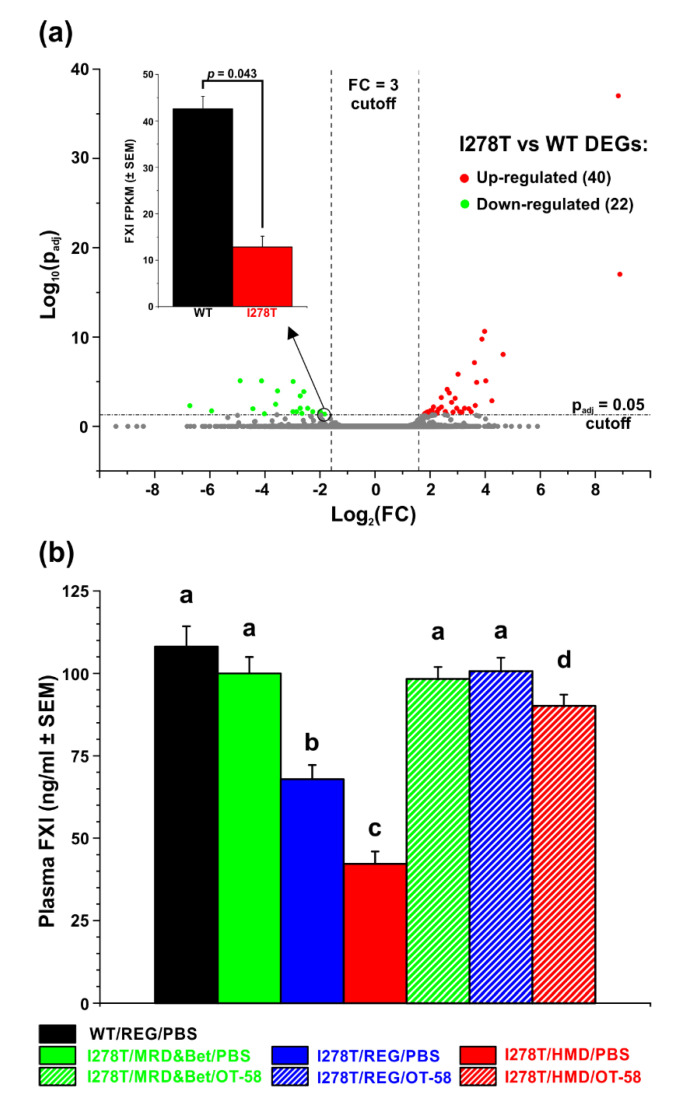
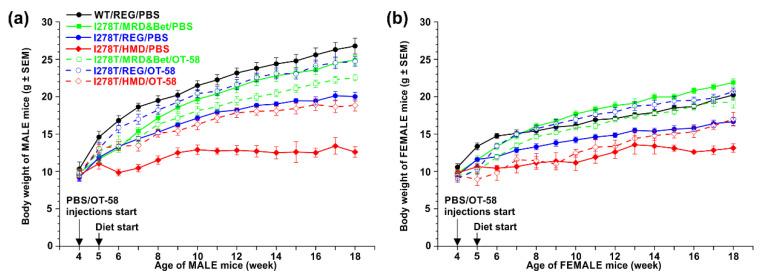
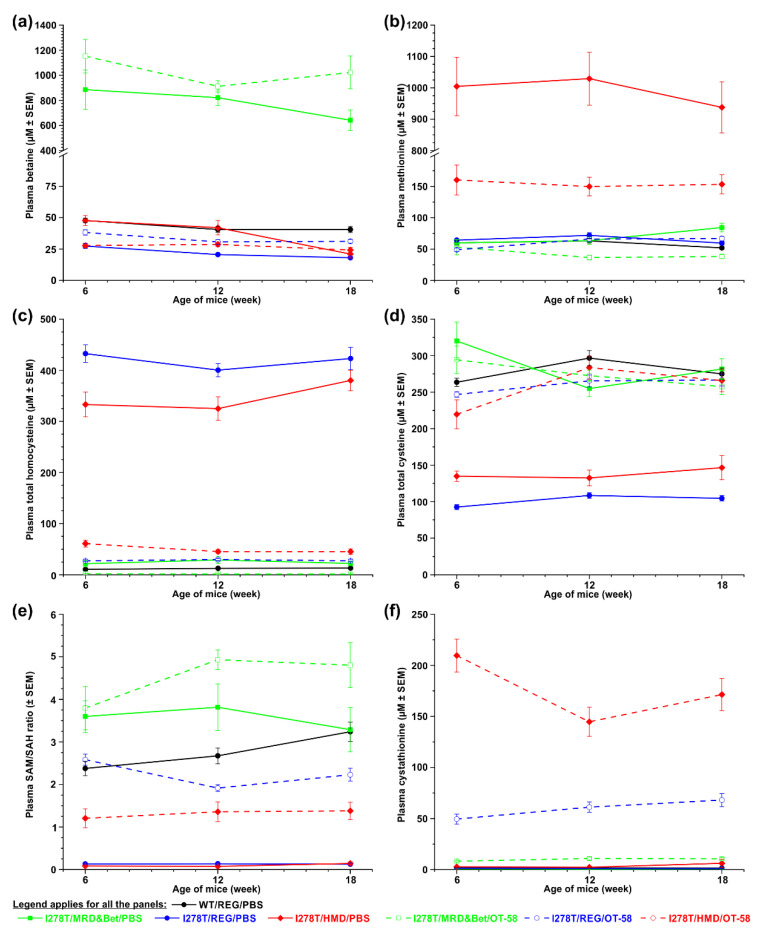
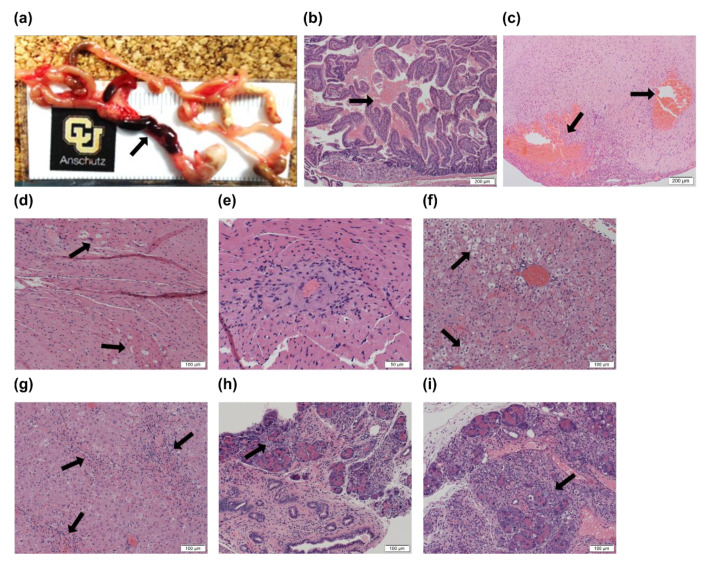
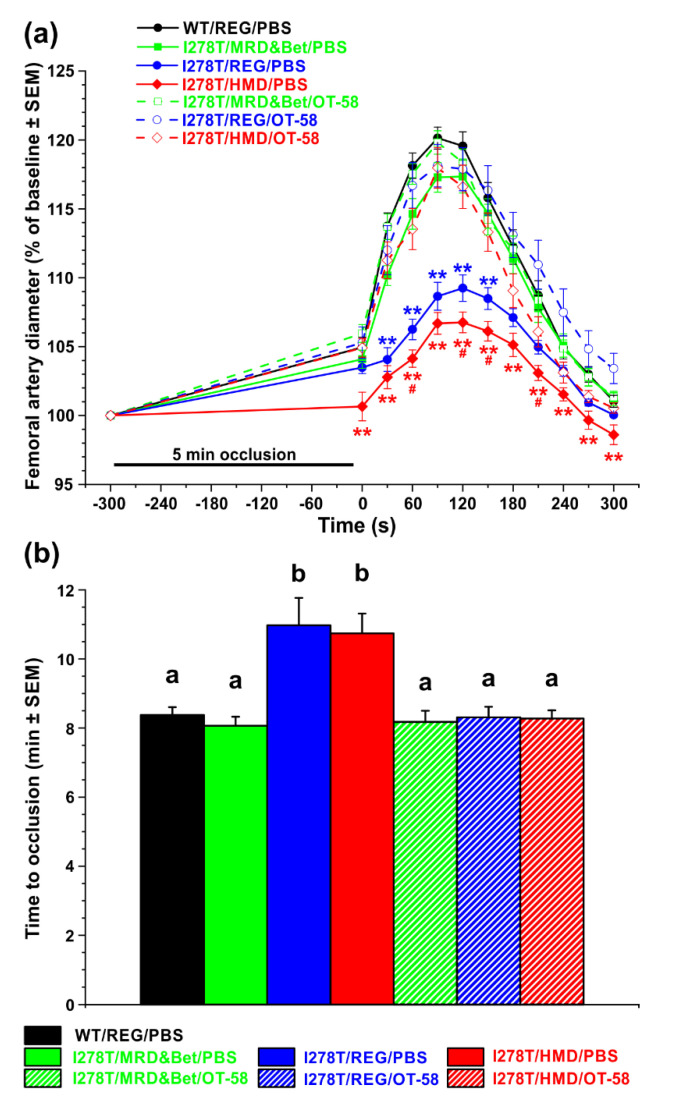
Severely elevated plasma homocysteine and methionine lead to thromboembolic events and strokes in homocystinuric (HCU) patients. Mouse models of HCU failed to exhibit prothrombotic phenotype, presumably due to lack of hypermethioninemia. We evaluated the impact of hypermethioninemia together with hyperhomocysteinemia on murine HCU phenotype and compared the efficacy of the current and novel therapies for HCU. High methionine intake decreased survival of I278T mice, which died from intestinal bleeding with hepatic and pancreatic failure. I278T mice on normal or increased methionine intake developed endothelial dysfunction, but paradoxically demonstrated delayed occlusion in an induced arterial thrombosis model. RNA-seq analysis suggested that expression of coagulation factor XI (FXI) is downregulated in livers of I278T mice. Indeed, plasma concentrations of FXI were decreased in I278T mice on normal diet and further reduced by increased methionine intake. Dietary methionine restriction normalized the observed phenotype. Similarly, treatment with OT-58, a novel enzyme therapy for HCU, corrected the phenotype in I278T mice regardless of their dietary methionine intake. Hypermethioninemia does not contribute to prothrombotic phenotype in murine HCU. Downregulation of FXI may contribute to the lack of prothrombotic tendency in I278T mice. Methionine restriction or treatment with OT-58 corrects vascular disease in the I278T mouse model of HCU.
血浆同型半胱氨酸和蛋氨酸严重升高会导致同型胱氨酸尿症(HCU)患者发生血栓栓塞事件和中风。HCU小鼠模型未能表现出促血栓形成表型,可能是由于缺乏高蛋氨酸血症。我们评估了高蛋氨酸血症与高同型半胱氨酸血症对小鼠HCU表型的影响,并比较了当前和新型HCU疗法的疗效。高蛋氨酸摄入降低了I278T小鼠的存活率,这些小鼠死于肠道出血伴肝和胰腺衰竭。正常或增加蛋氨酸摄入的I278T小鼠出现内皮功能障碍,但在诱导性动脉血栓形成模型中却表现出延迟闭塞。RNA测序分析表明,I278T小鼠肝脏中凝血因子XI(FXI)的表达下调。事实上,正常饮食的I278T小鼠血浆FXI浓度降低,蛋氨酸摄入增加使其进一步降低。饮食中蛋氨酸限制可使观察到的表型正常化。同样,用OT-58(一种新型的HCU酶疗法)治疗,无论I278T小鼠的饮食蛋氨酸摄入量如何,均可纠正其表型。高蛋氨酸血症对小鼠HCU的促血栓形成表型无影响。FXI的下调可能导致I278T小鼠缺乏促血栓形成倾向。蛋氨酸限制或用OT-58治疗可纠正HCU的I278T小鼠模型中的血管疾病。