Mueller Sonja, Soriano Delphine, Boscor Andrei, Saville Naomi, Arjyal Abriti, Baral Sushil, Fordham Maureen, Hearn Gareth, Le Masson Virginie, Kayastha Rachya, Kostkova Patty
Institute for Risk and Disaster Reduction, University College London, Gower Street, London, WC1E 6BT, UK.
Centre for Digital Public Health in Emergencies (dPHE), University College London, Gower Street, London, WC1E 6BT, UK.
BMC Public Health. 2020 Jul 28;20(1):1171. doi: 10.1186/s12889-020-09246-8.
Mobile technology is increasingly important for delivering public health interventions to remote populations. This research study developed, piloted, and assessed a serious game for mobile devices that teaches geohazard, maternal, and neonatal health messages. This unique mHealth intervention aimed at low-literacy audiences in low resource settings is part of the Maternal and Neonatal Technologies in Rural Areas (MANTRA) project: Increasing maternal and child health resilience before, during, and after disasters using mobile technology in Nepal.
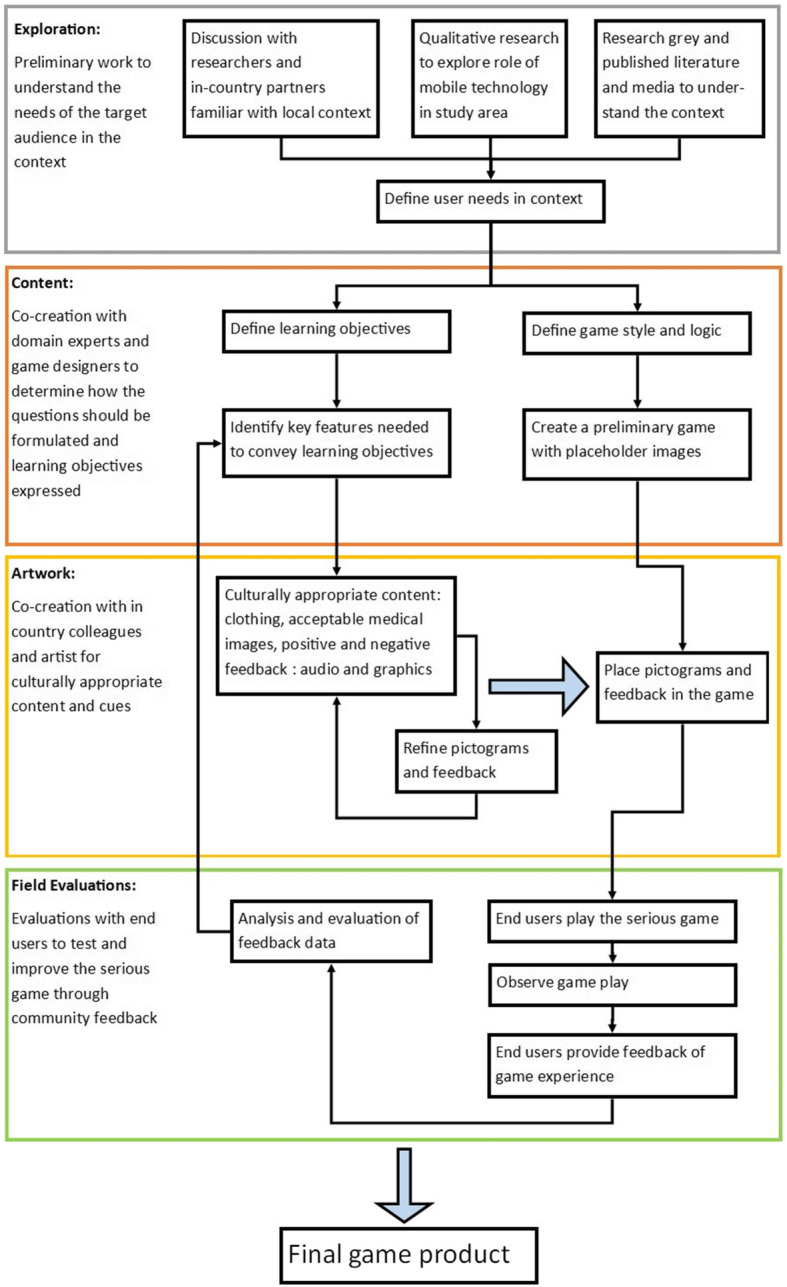
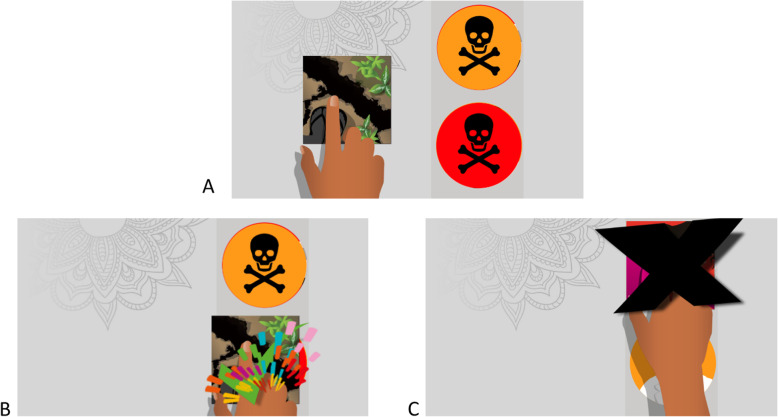
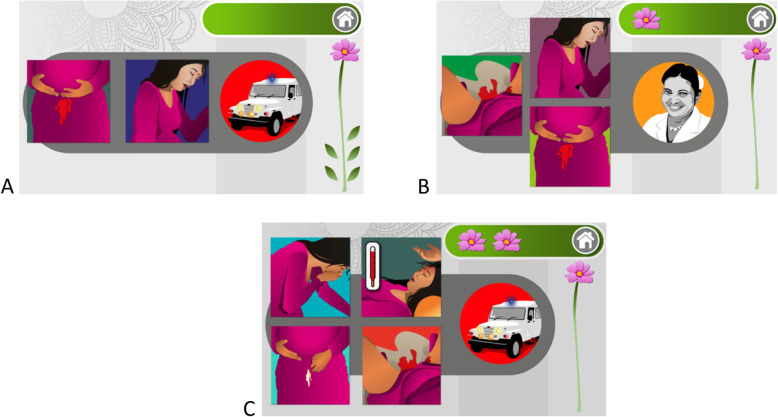
The serious game was developed through a co-creation process between London and Kathmandu based researchers by email and video-calling, and face-to-face with local stakeholders in Nepal. The process identified core needs, developed appropriate pictograms and mechanics, and tailored the pilot serious game to the local cultural context. Evaluations and feedback from end users took place in rural villages and suburban Kathmandu in Province Three. Field evaluation sessions used mixed methods. Researchers observed game play and held focus group discussions to elicit qualitative feedback and understand engagement, motivation, and usability, and conducted a paired pre- and post-game knowledge assessment.
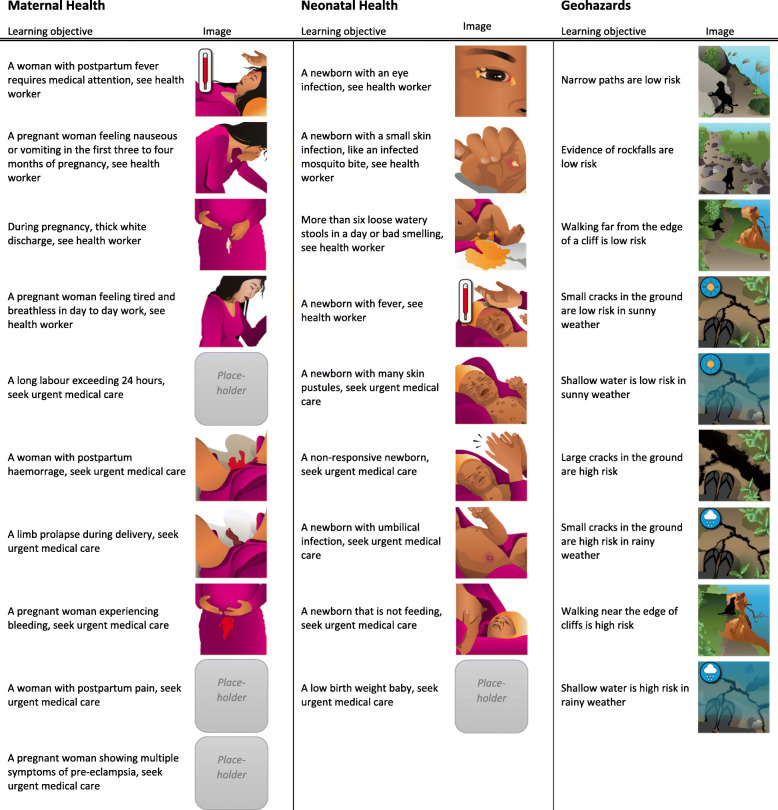
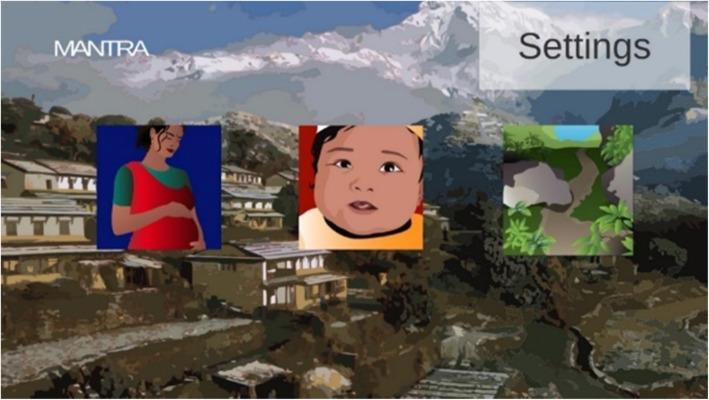
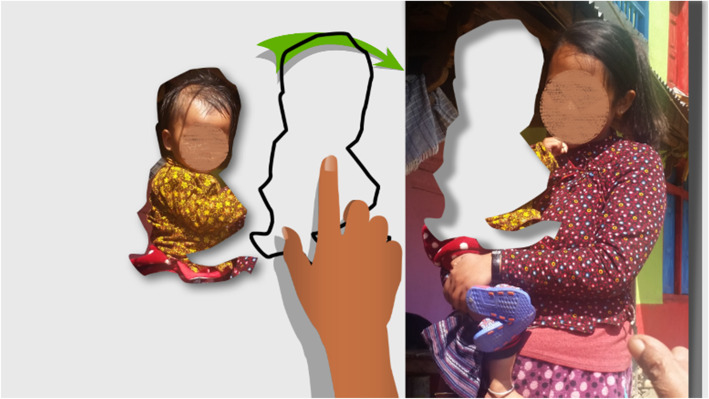
The MANTRA serious game is contextualized to rural Nepal. The game teaches 28 learning objectives in three modules: maternal health, neonatal health, and geohazards, through picture matching with immediate audio and visual feedback. User feedback from focus groups demonstrated high engagement, motivation, and usability of the game.
This MANTRA study is a unique mHealth intervention of a serious game to teach core health and geohazards messages to low-literacy audiences in rural Nepal. Although the mobile game is tailored for this specific context, the developmental process and insights could be transferable to the development of other games-based interventions and contextualized for any part of the world. Successfully targeting this low-literacy and illiterate audience makes the MANTRA development process the first of its kind and a novel research endeavor with potential for widespread impact and adoption following further game development.
This project was approved by the University College London Ethics Committee in London, United Kingdom [10547/001], and the Nepal Health Research Council in Kathmandu, Nepal [Reg. No. 105/2017]. All participants provided informed written consent.
移动技术对于向偏远地区人群提供公共卫生干预措施日益重要。本研究开发、试点并评估了一款适用于移动设备的严肃游戏,该游戏传授地质灾害、孕产妇和新生儿健康知识。这项针对资源匮乏地区低识字率人群的独特移动健康干预措施是农村地区孕产妇和新生儿技术(MANTRA)项目的一部分:利用尼泊尔的移动技术提高灾害发生前、期间和之后的母婴健康恢复力。
这款严肃游戏是由伦敦和加德满都的研究人员通过电子邮件、视频通话以及与尼泊尔当地利益相关者面对面交流的共创过程开发而成。该过程确定了核心需求,开发了合适的象形图和机制,并根据当地文化背景对试点严肃游戏进行了调整。最终用户的评估和反馈在第三省的农村村庄和加德满都郊区进行。现场评估采用混合方法。研究人员观察游戏过程并举行焦点小组讨论,以获取定性反馈并了解参与度、动机和可用性,还进行了游戏前后的配对知识评估。
MANTRA严肃游戏以尼泊尔农村为背景。该游戏通过图片匹配以及即时视听反馈,在三个模块中教授28个学习目标:孕产妇健康、新生儿健康和地质灾害。焦点小组的用户反馈表明该游戏具有很高的参与度、动机和可用性。
这项MANTRA研究是一项独特的移动健康干预措施,通过一款严肃游戏向尼泊尔农村地区低识字率人群传授核心健康和地质灾害知识。尽管这款手机游戏是针对这一特定背景量身定制的,但其开发过程和见解可能适用于其他基于游戏的干预措施的开发,并可针对世界任何地区进行情境化调整。成功地针对这一低识字率和文盲群体,使MANTRA开发过程成为同类中的首个项目,也是一项具有创新性的研究工作,随着进一步的游戏开发,有可能产生广泛影响并被采用。
本项目已获得英国伦敦大学学院伦理委员会[10547/001]以及尼泊尔加德满都尼泊尔卫生研究委员会[注册号105/2017]的批准。所有参与者均提供了知情书面同意书。