Department of Public Health, Shihezi University School of Medicine, Shihezi, China.
Key Laboratory of Xinjiang Endemic and Ethnic Diseases of the Ministry of Education, Shihezi University School of Medicine, Shihezi, China.
Lipids Health Dis. 2020 Jul 28;19(1):175. doi: 10.1186/s12944-020-01348-x.
Low high-density lipoprotein cholesterol (HDL-C) disease with unknown etiology has a high prevalence in the Xinjiang Kazak population. In this study, long noncoding RNAs (lncRNAs) that might play a role in low HDL-C disease were identified.
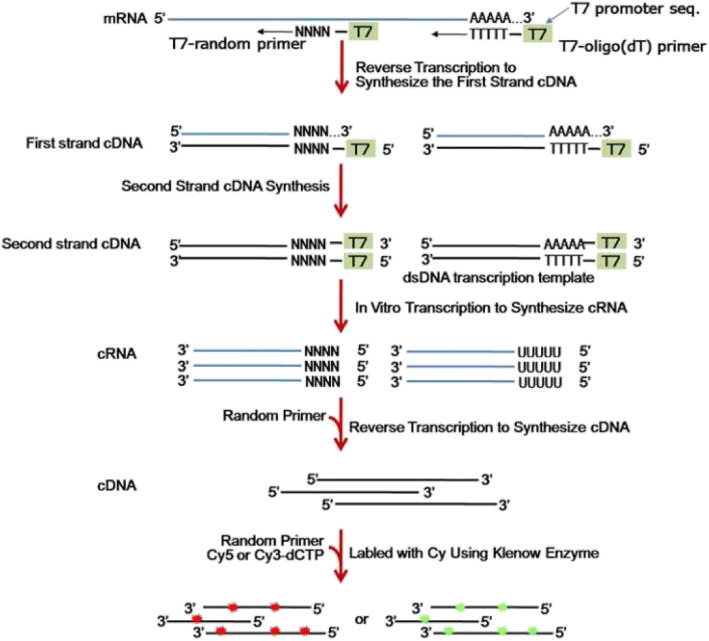
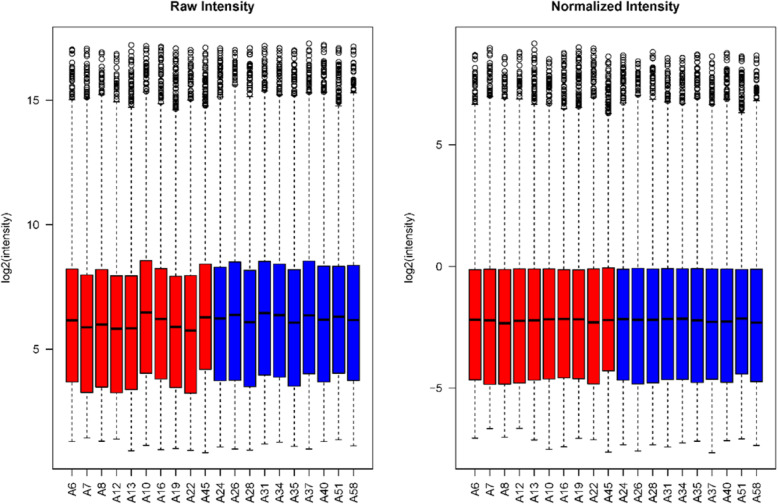
Plasma samples from 10 eligible individuals with low HDL disease and 10 individuals with normal HDL-C levels were collected. The lncRNA profiles for 20 Xinjiang Kazak individuals were measured using microarray analysis.
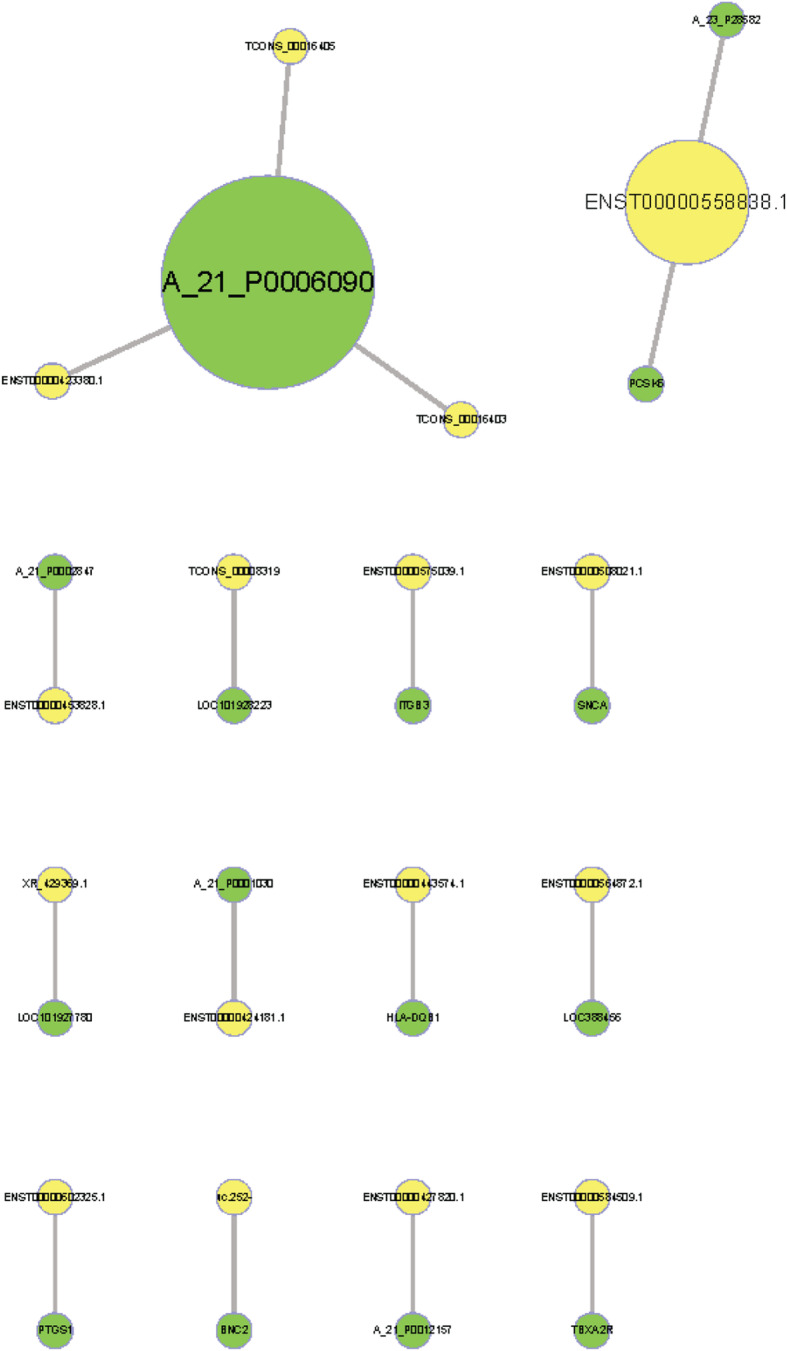
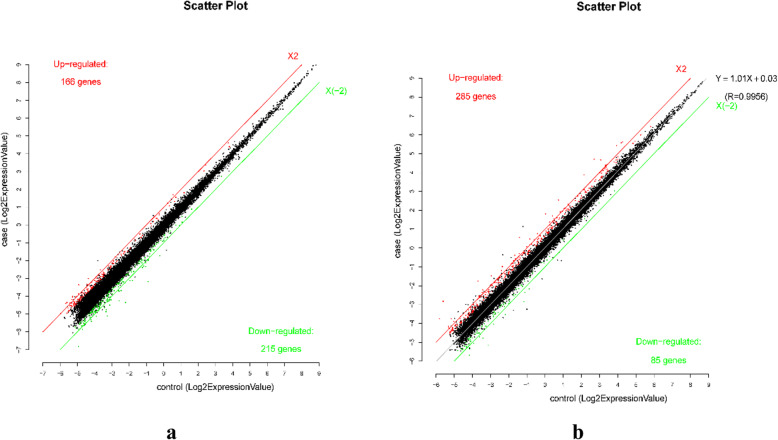
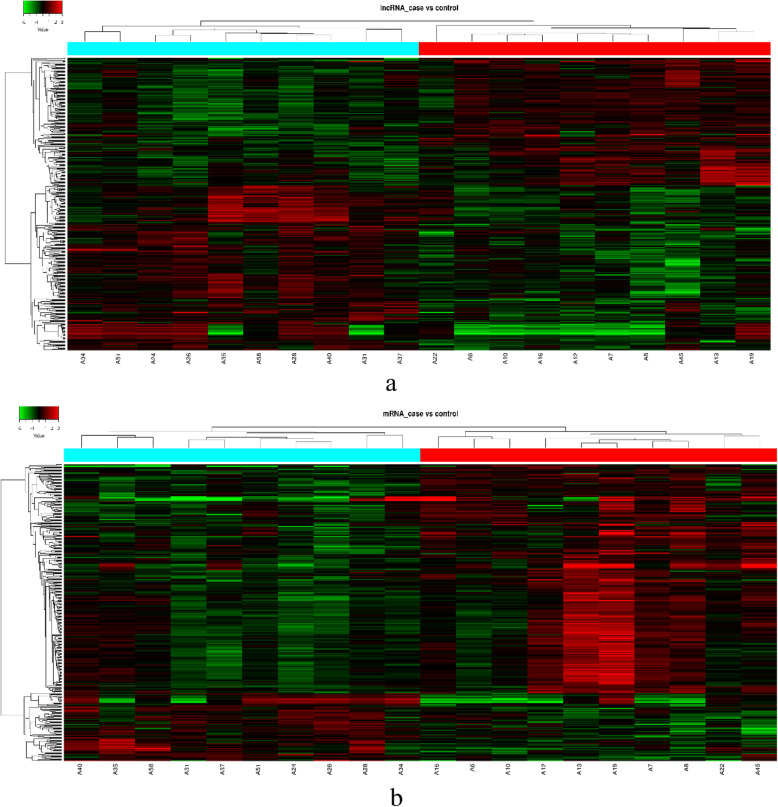
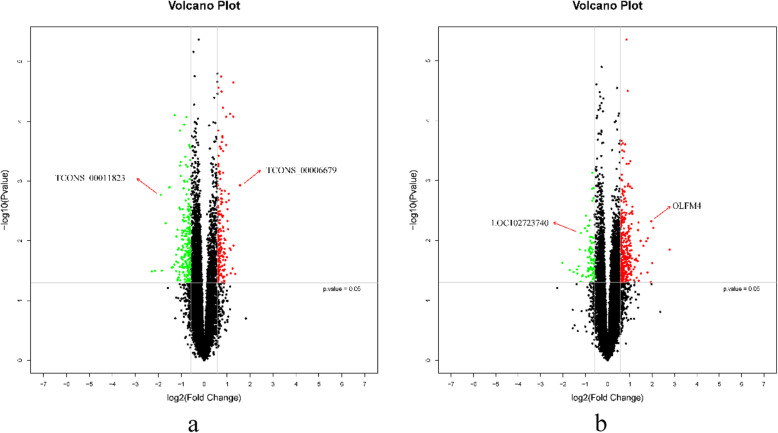
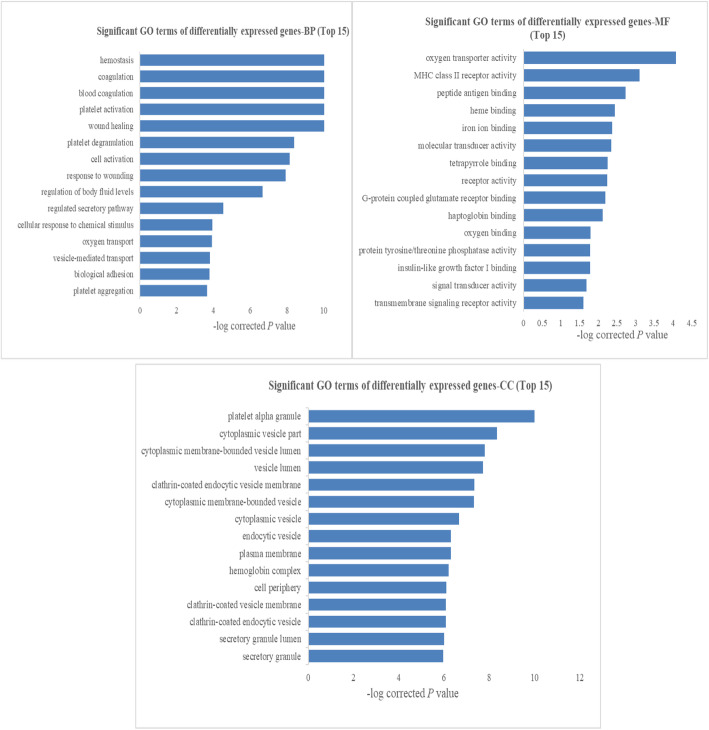
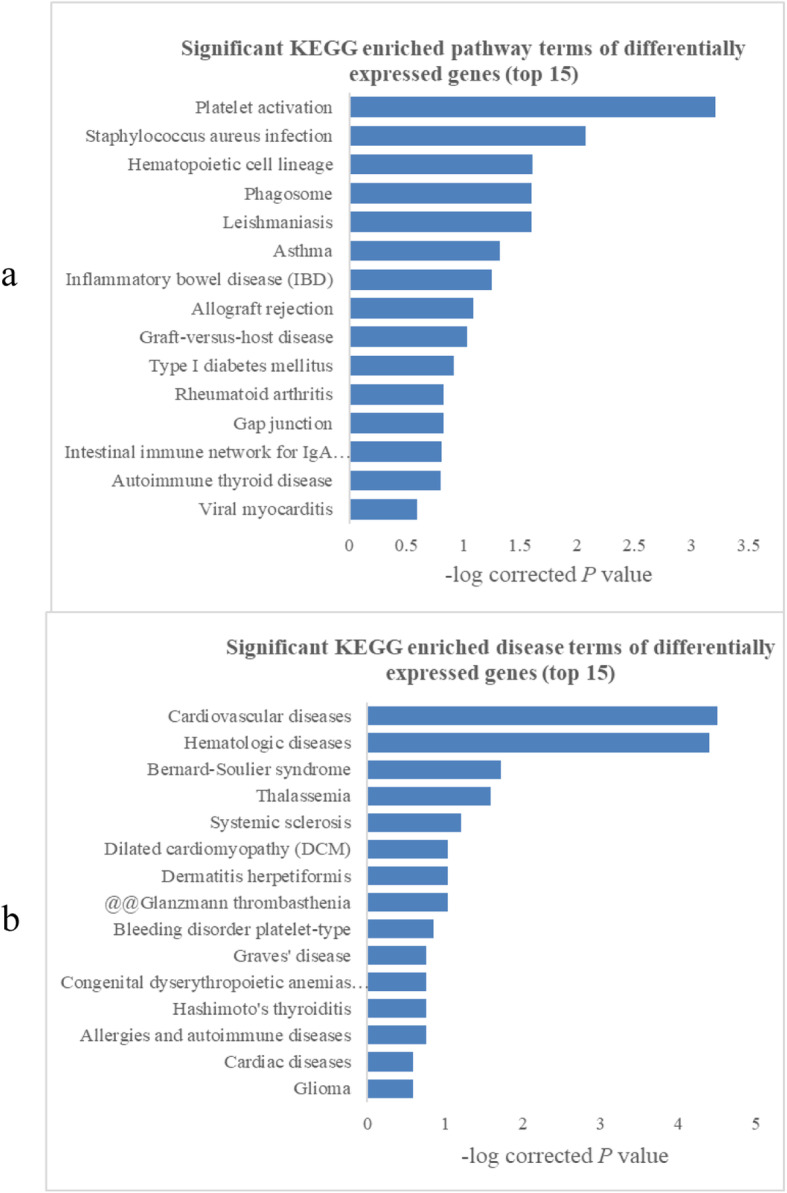
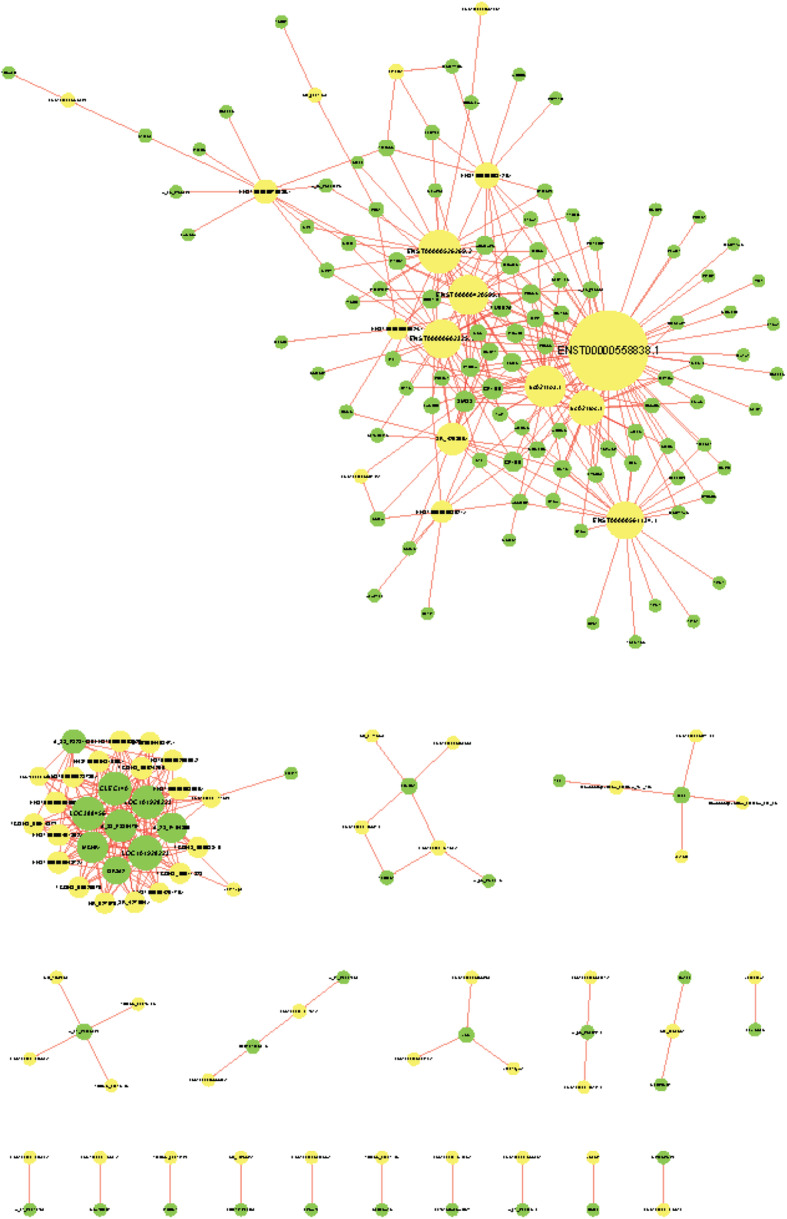
Differentially expressed lncRNAs and mRNAs with fold-change values not less than 1.5 and FDR-adjusted P-values less than 0.05 were screened. Bioinformatic analyses, including Gene Ontology (GO), Kyoto Encyclopedia of Genes and Genomes (KEGG), and network analyses, were used to determine relevant signaling pathways and predict potential target genes. In total, 381 lncRNAs and 370 mRNAs were differentially expressed based on microarray analysis. Compared with those in healthy individuals, several lncRNAs were upregulated or downregulated in patients with low HDL-C disease, among which TCONS_00006679 was most significantly upregulated and TCONS_00011823 was most significantly downregulated. GO and KEGG pathway analyses as well as co-expression networks of lncRNAs and mRNAs revealed that the platelet activation pathway and cardiovascular disease were associated with low HDL-C disease.
Potential target genes integrin beta-3 (ITGB3) and thromboxane A2 receptor (TBXA2R) were regulated by the lncRNAs AP001033.3-201 and AC068234.2-202, respectively. Both genes were associated with cardiovascular disease and were involved in the platelet activation pathway. AP001033.3-201 and AC068234.2-202 were associated with low HDL-C disease and could play a role in platelet activation in cardiovascular disease. These results reveal the potential etiology of dyslipidemia in the Xinjiang Kazakh population and lay the foundation for further validation using large sample sizes.
新疆哈萨克人群中存在一种病因不明的低高密度脂蛋白胆固醇(HDL-C)疾病,其患病率较高。本研究旨在鉴定可能在低 HDL-C 疾病中发挥作用的长非编码 RNA(lncRNA)。
收集 10 名低 HDL-C 疾病患者和 10 名正常 HDL-C 水平个体的血浆样本。使用微阵列分析对 20 名新疆哈萨克个体的 lncRNA 谱进行了测量。
筛选出差异表达的 lncRNA 和 mRNA,其 fold-change 值不小于 1.5,FDR 调整后的 P 值小于 0.05。使用生物信息学分析,包括基因本体论(GO)、京都基因与基因组百科全书(KEGG)和网络分析,确定相关信号通路并预测潜在的靶基因。基于微阵列分析,共鉴定出 381 个 lncRNA 和 370 个 mRNA 差异表达。与健康个体相比,低 HDL-C 疾病患者中一些 lncRNA 上调或下调,其中 TCONS_00006679 上调最显著,TCONS_00011823 下调最显著。GO 和 KEGG 通路分析以及 lncRNA 和 mRNA 的共表达网络显示,血小板激活途径和心血管疾病与低 HDL-C 疾病相关。
lncRNA AP001033.3-201 和 AC068234.2-202 分别调控整合素β-3(ITGB3)和血栓烷 A2 受体(TBXA2R)等潜在靶基因,这两个基因均与心血管疾病相关,且均参与血小板激活途径。AP001033.3-201 和 AC068234.2-202 与低 HDL-C 疾病相关,可能在心血管疾病中的血小板激活中发挥作用。这些结果揭示了新疆哈萨克人群血脂异常的潜在病因,并为进一步采用大样本量进行验证奠定了基础。