Scalise Mariafrancesca, Mazza Tiziano, Pappacoda Gilda, Pochini Lorena, Cosco Jessica, Rovella Filomena, Indiveri Cesare
Department DiBEST (Biologia, Ecologia, Scienze della Terra), Unit of Biochemistry and Molecular Biotechnology, University of Calabria, Arcavacata, Italy.
CNR Institute of Biomembranes, Bioenergetics and Molecular Biotechnologies (IBIOM), Bari, Italy.
Front Cell Dev Biol. 2020 Jul 8;8:603. doi: 10.3389/fcell.2020.00603. eCollection 2020.
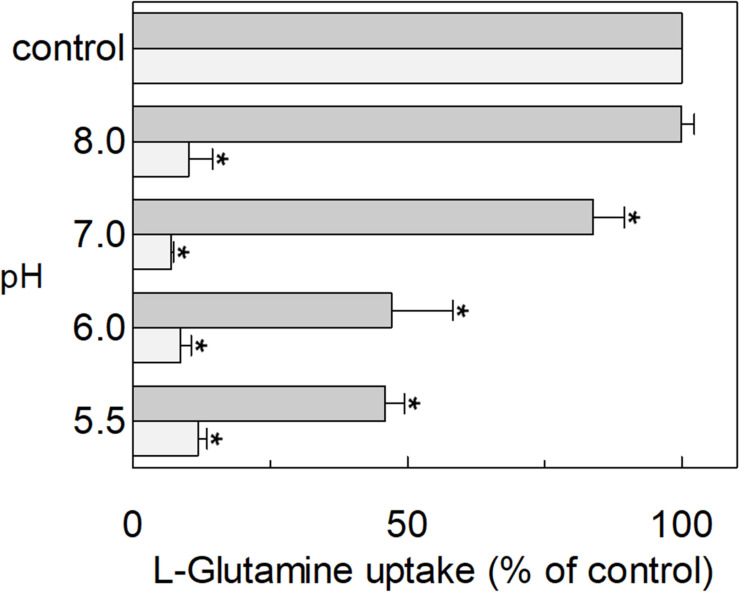
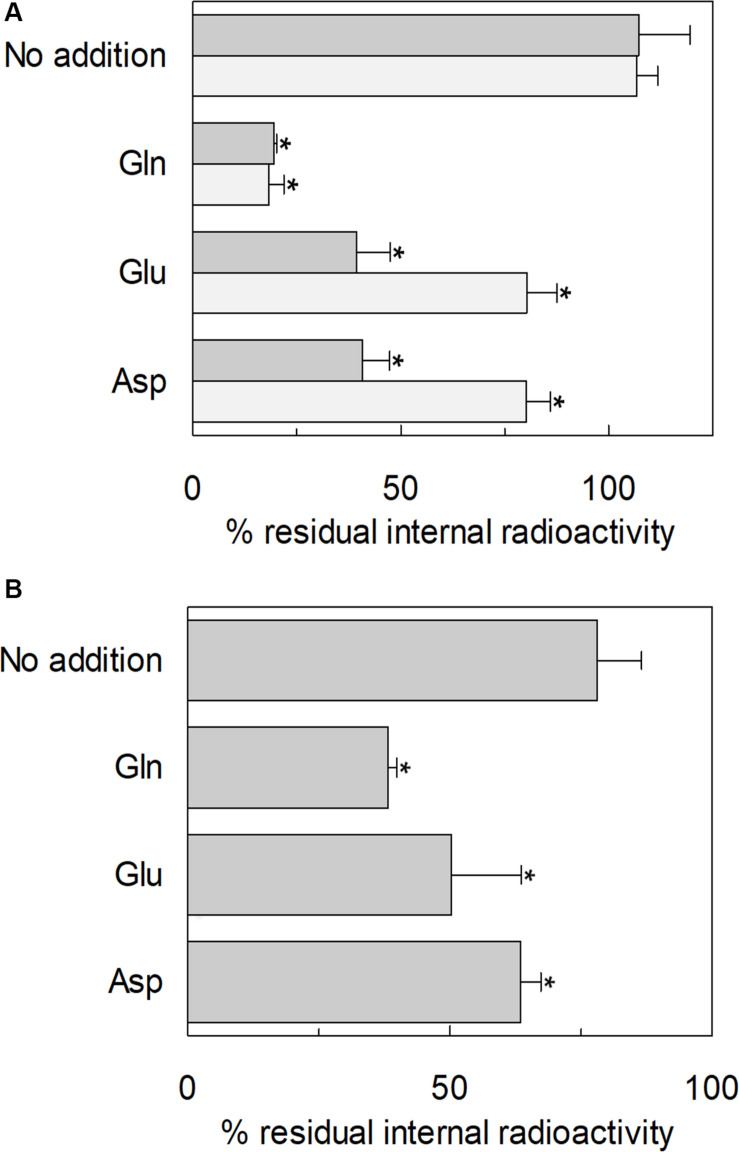
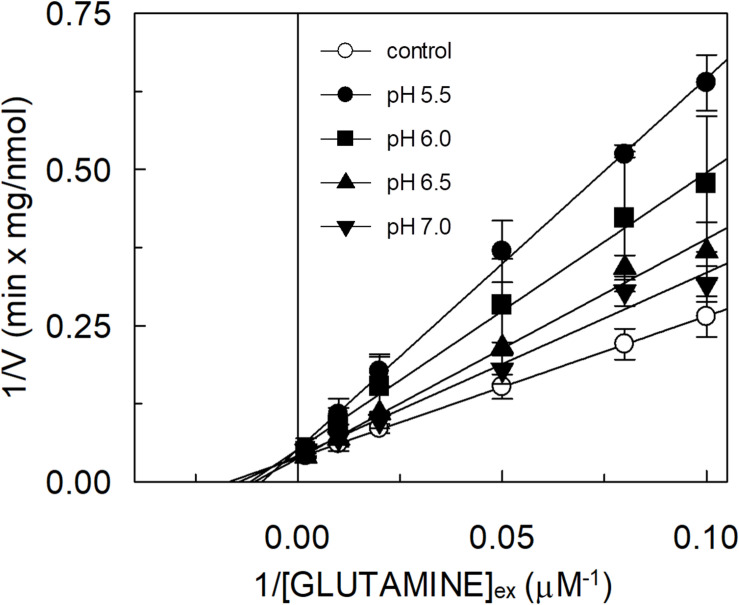
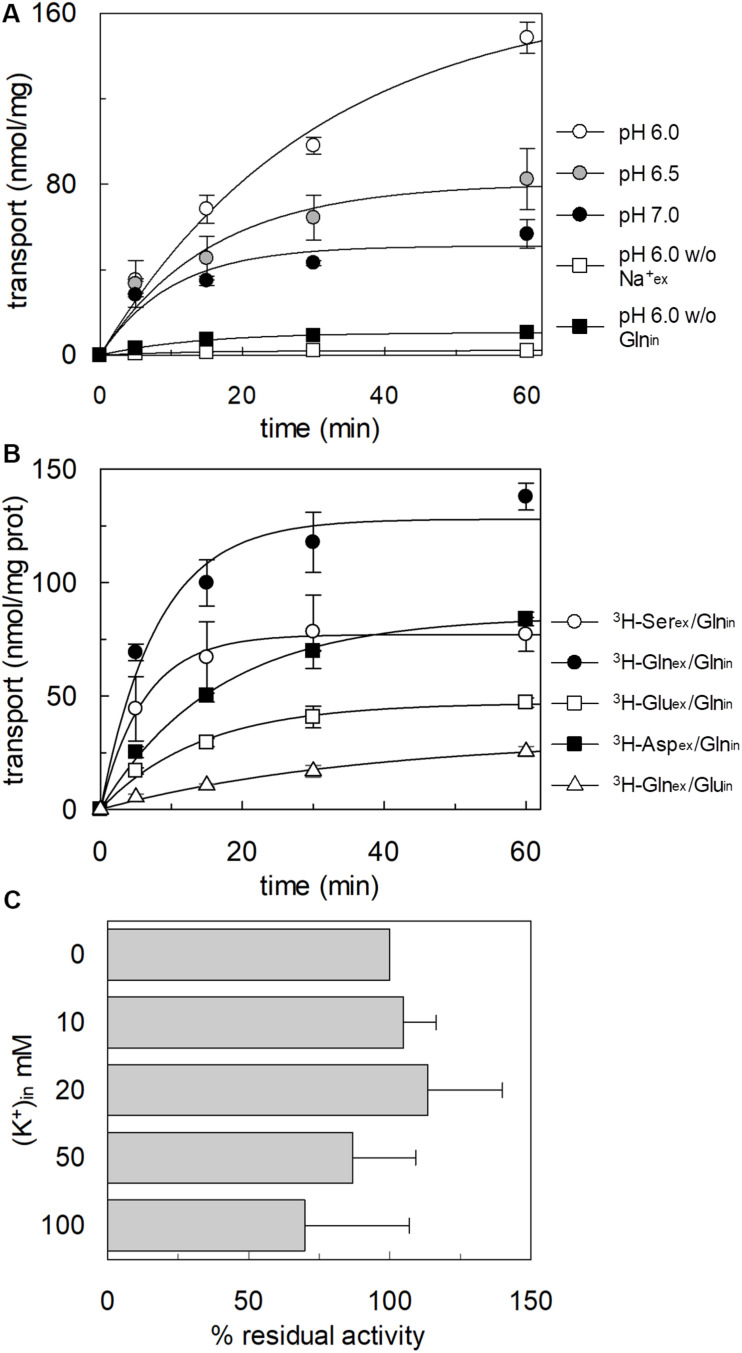
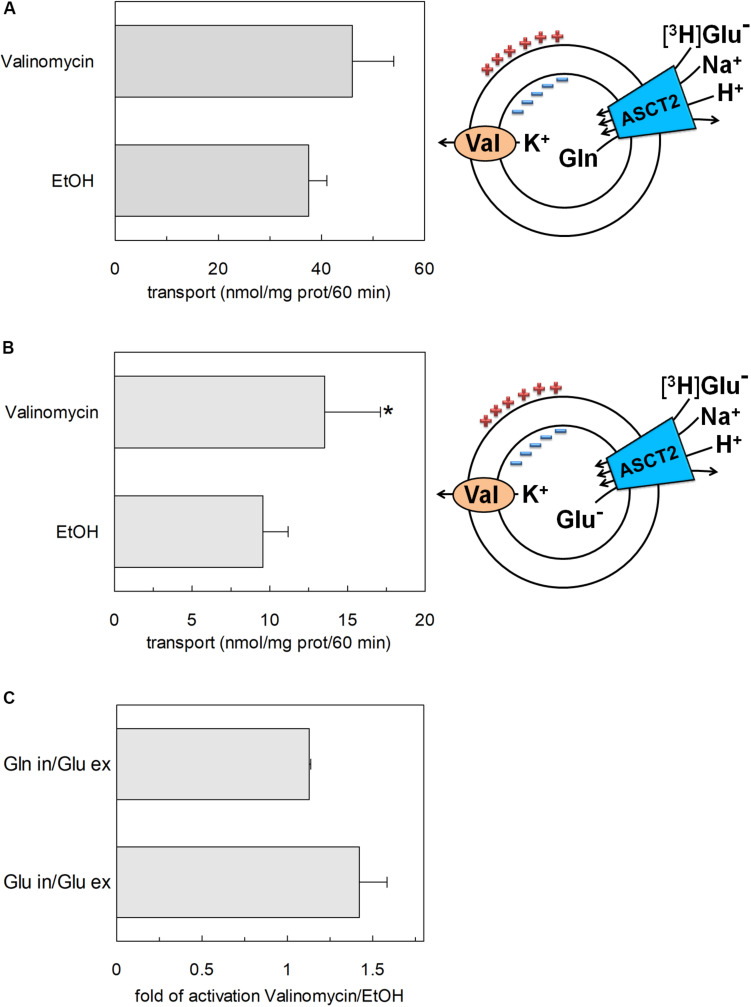
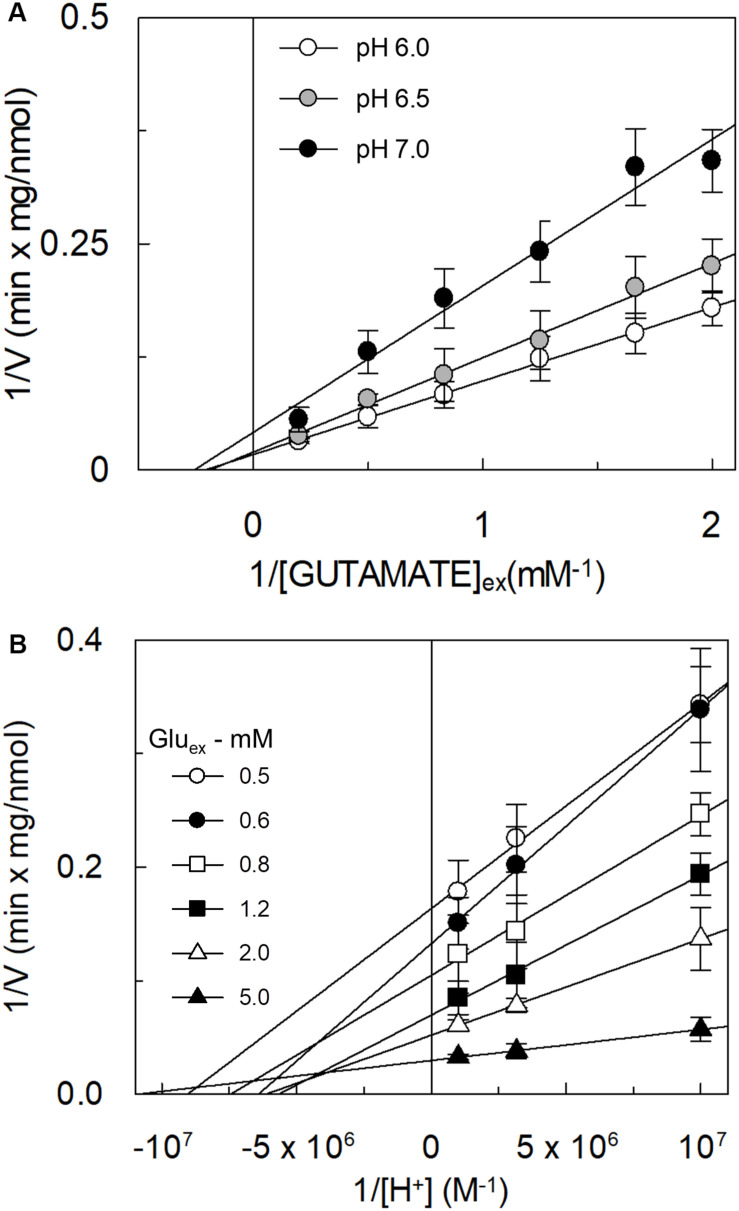
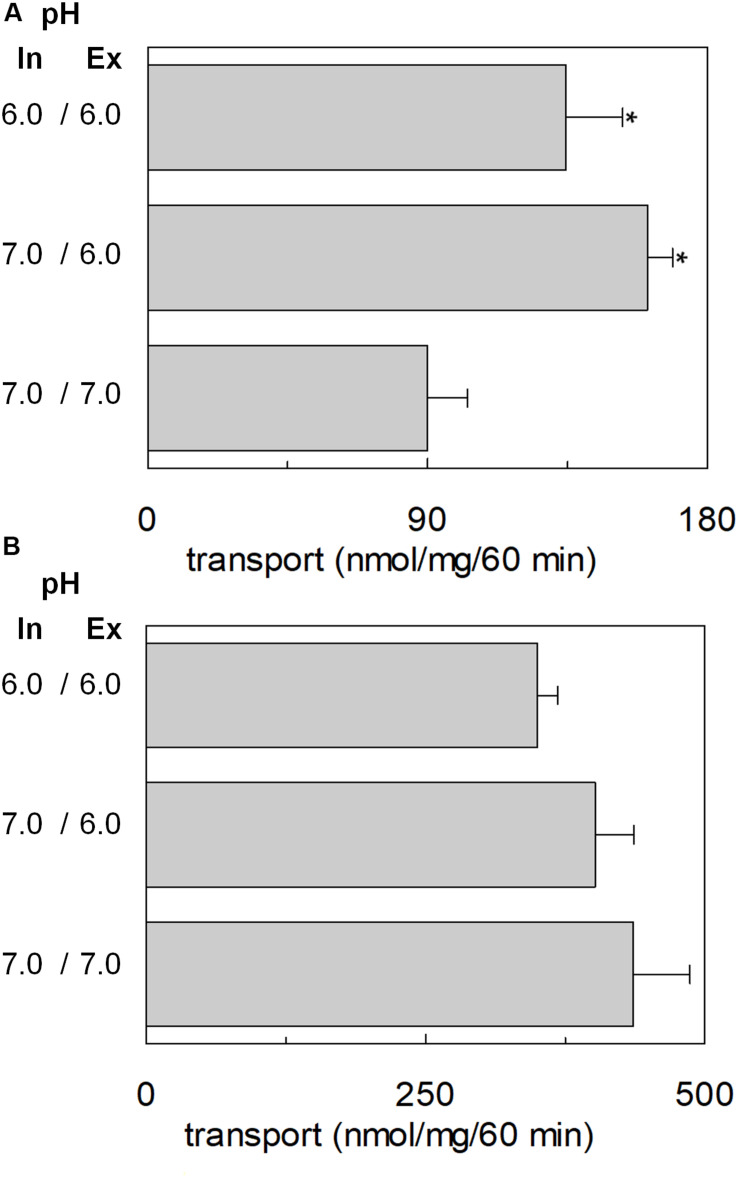
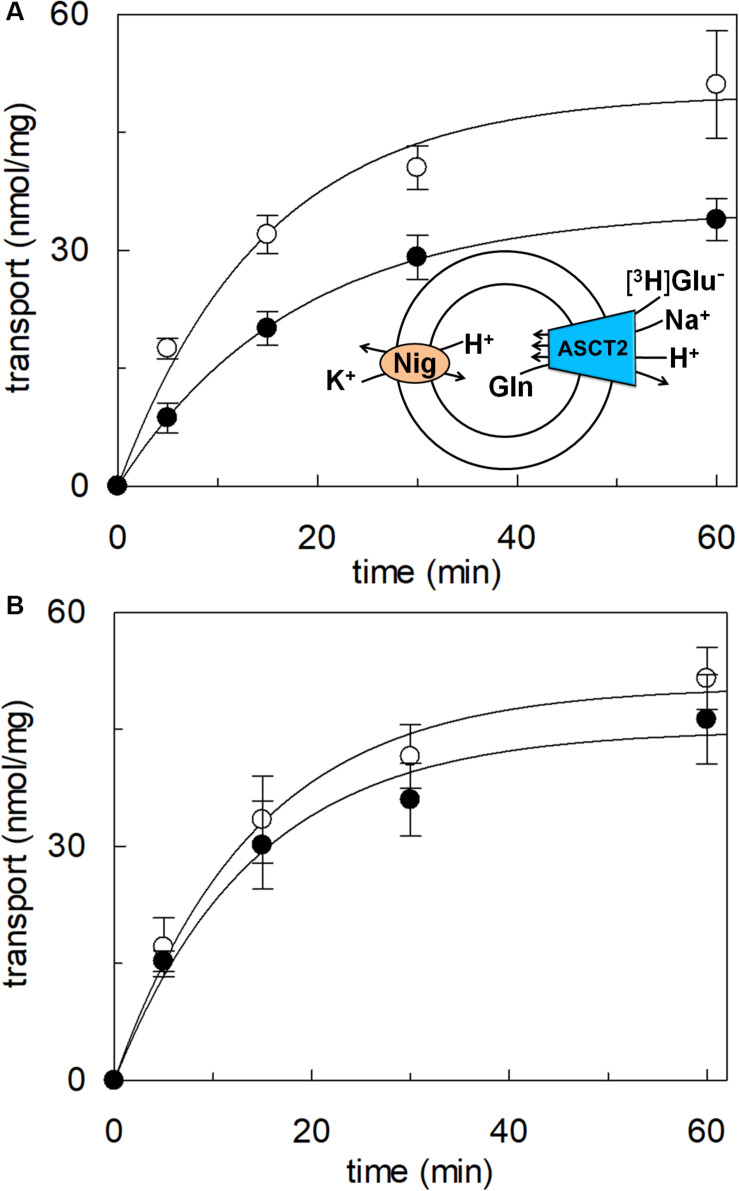
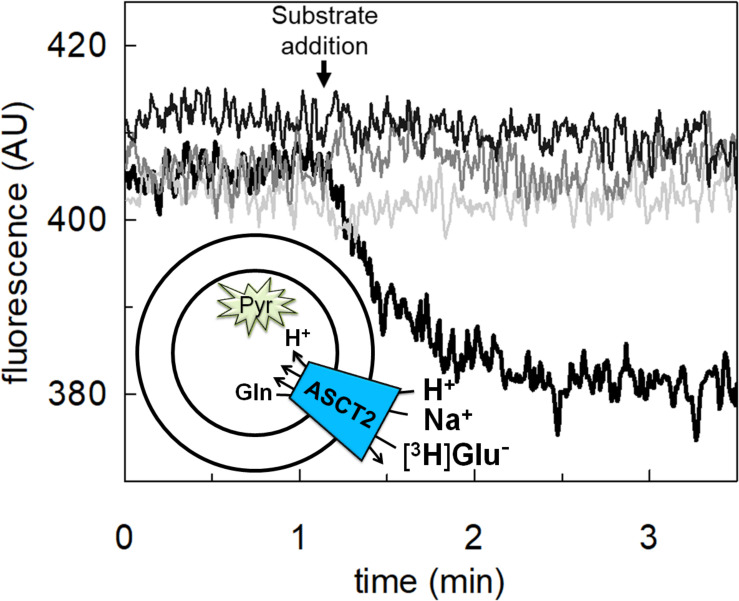
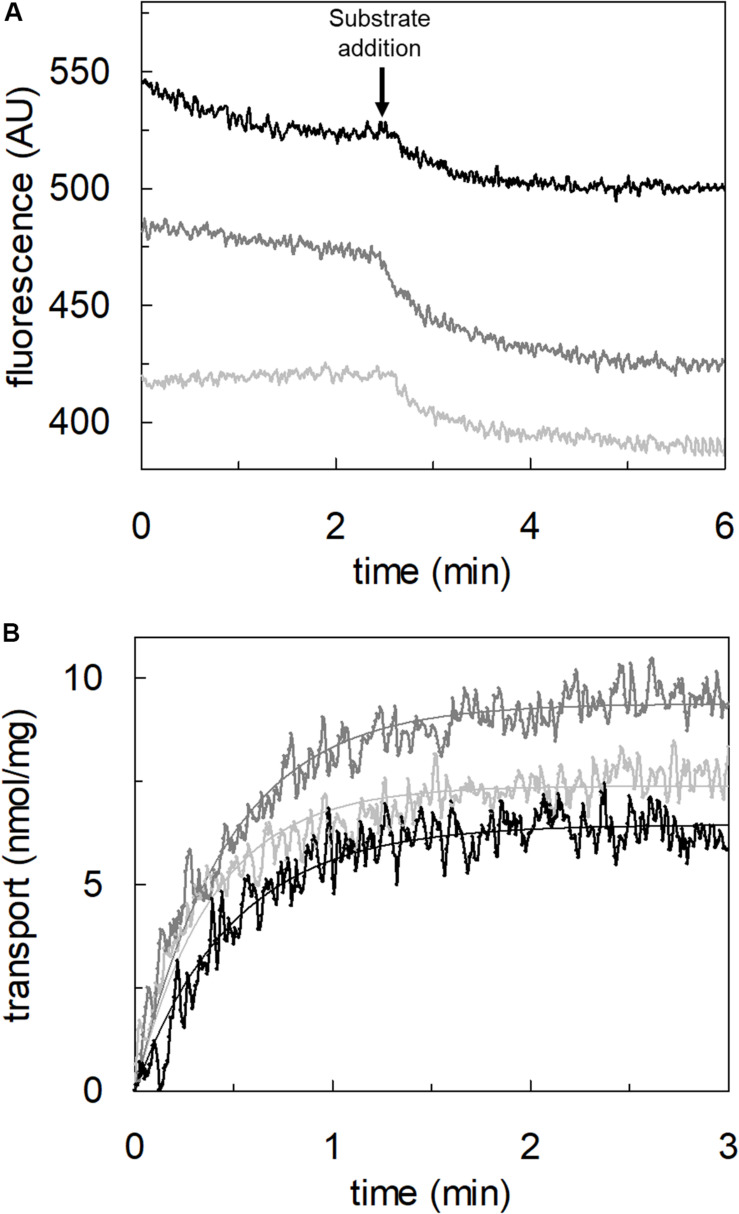
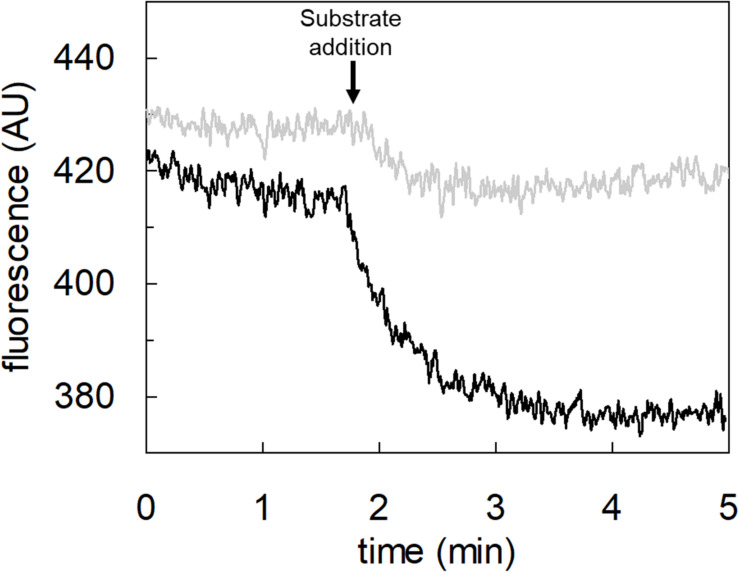
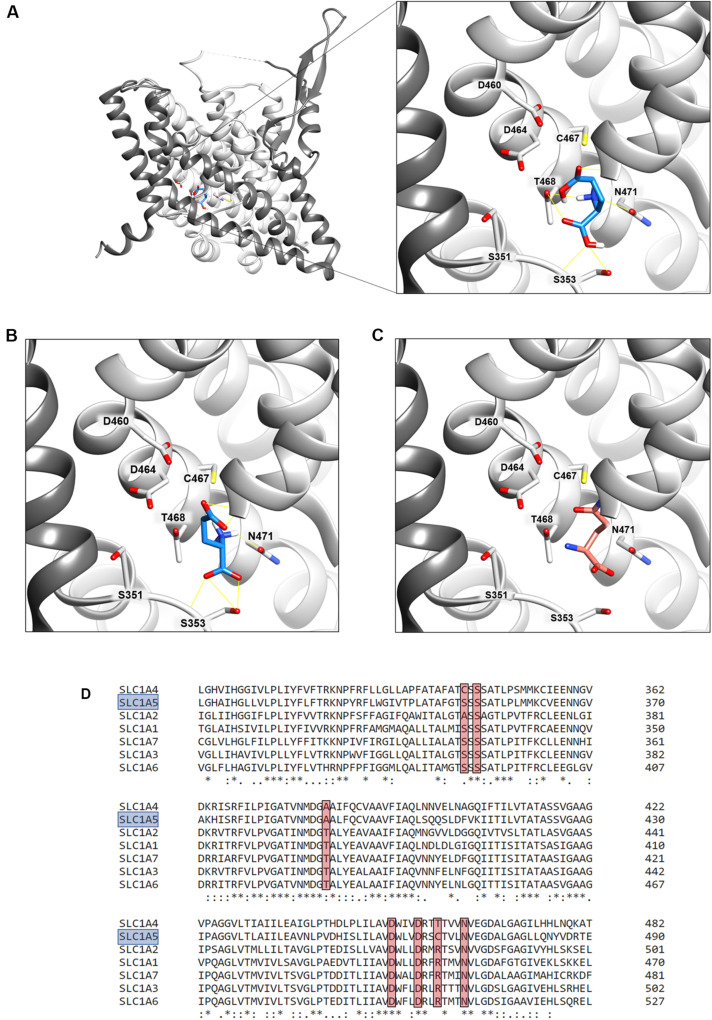
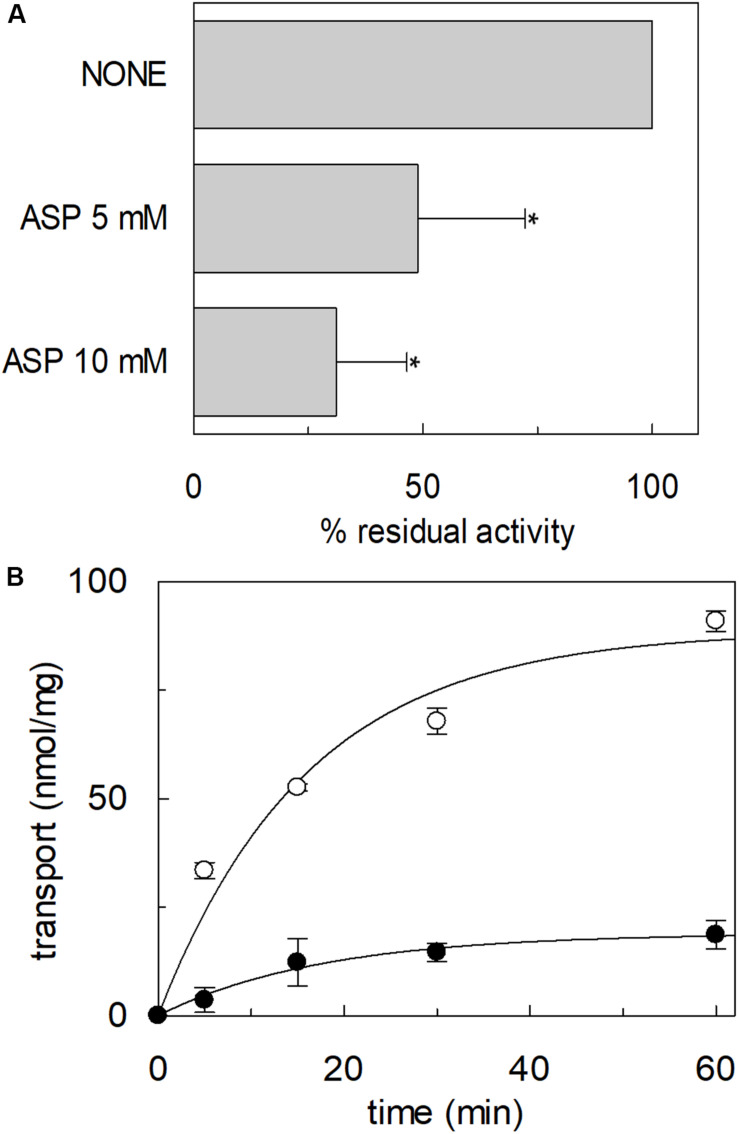
ASCT2 is a neutral amino acid transporter, which catalyzes a sodium-dependent obligatory antiport among glutamine and other neutral amino acids. The human ASCT2 over-expressed in and reconstituted in proteoliposomes has been employed for identifying alternative substrates of the transporter. The experimental data highlighted that hASCT2 also catalyzes a sodium-dependent antiport of glutamate with glutamine. This unconventional antiport shows a preferred sidedness: glutamate is inwardly transported in exchange for glutamine transported in the counter direction. The orientation of the transport protein in proteoliposomes is the same as in the cell membrane; then, the observed sidedness corresponds to the transport of glutamate from the extracellular to the intracellular compartment. The competitive inhibition exerted by glutamate on the glutamine transport together with the docking analysis indicates that the glutamate binding site is the same as that of glutamine. The affinity for glutamate is lower than that for neutral amino acids, while the transport rate is comparable to that measured for the asparagine/glutamine antiport. Differently from the neutral amino acid antiport that is insensitive to pH, the glutamate/glutamine antiport is pH-dependent with optimal activity at acidic pH on the external (extracellular) side. The stimulation of glutamate transport by a pH gradient suggests the occurrence of a proton flux coupled to the glutamate transport. The proton transport has been detected by a spectrofluorometric method. The rate of proton transport correlates well with the rate of glutamate transport indicating a 1:1 stoichiometry H: glutamate. The glutamate/glutamine antiport is also active in intact HeLa cells. On a physiological point of view, the described antiport could have relevance in some districts in which a glutamate/glutamine cycling is necessary, such as in placenta.
ASCT2是一种中性氨基酸转运体,它催化谷氨酰胺与其他中性氨基酸之间依赖钠的强制性反向转运。在蛋白脂质体中过表达并重组的人ASCT2已被用于鉴定该转运体的替代底物。实验数据表明,hASCT2还催化谷氨酸与谷氨酰胺之间依赖钠的反向转运。这种非常规的反向转运表现出一种偏好的方向性:谷氨酸向内转运以交换反向转运的谷氨酰胺。转运蛋白在蛋白脂质体中的方向与在细胞膜中的方向相同;因此,观察到的方向性对应于谷氨酸从细胞外到细胞内区室的转运。谷氨酸对谷氨酰胺转运的竞争性抑制以及对接分析表明,谷氨酸结合位点与谷氨酰胺的相同。对谷氨酸的亲和力低于对中性氨基酸的亲和力,而转运速率与天冬酰胺/谷氨酰胺反向转运的测量速率相当。与对pH不敏感的中性氨基酸反向转运不同,谷氨酸/谷氨酰胺反向转运依赖pH,在外部(细胞外)侧酸性pH下具有最佳活性。pH梯度对谷氨酸转运的刺激表明存在与谷氨酸转运偶联的质子通量。质子转运已通过荧光分光光度法检测到。质子转运速率与谷氨酸转运速率密切相关,表明H:谷氨酸的化学计量比为1:1。谷氨酸/谷氨酰胺反向转运在完整的HeLa细胞中也有活性。从生理学角度来看,所描述的反向转运可能在一些需要谷氨酸/谷氨酰胺循环的区域具有相关性,例如在胎盘中。