Department of Biochemistry and Molecular Genetics, University of Illinois at Chicago, Chicago, IL, USA.
Exp Mol Med. 2020 Jan;52(1):15-30. doi: 10.1038/s12276-020-0375-3. Epub 2020 Jan 24.
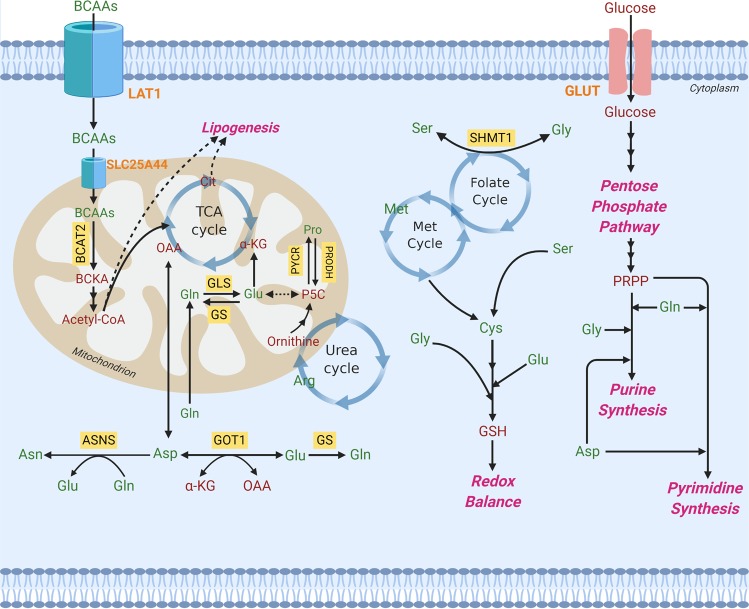
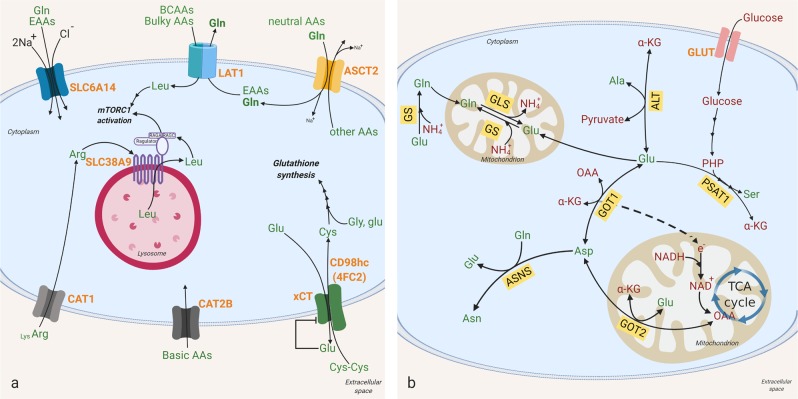
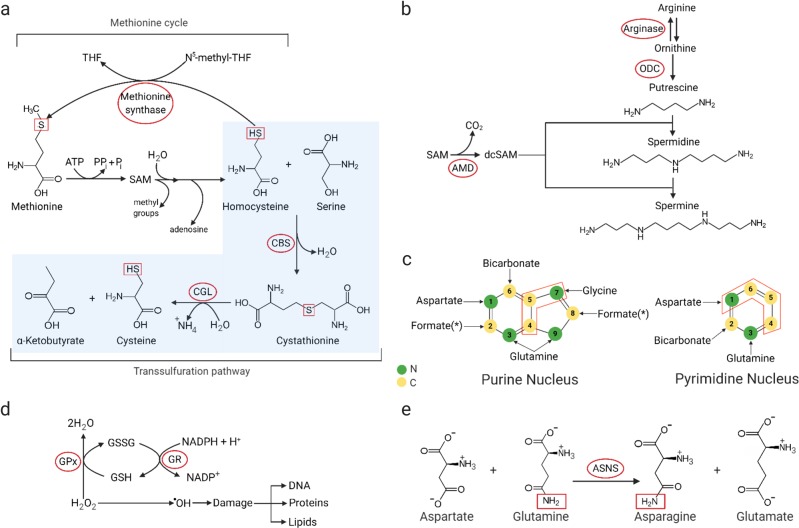
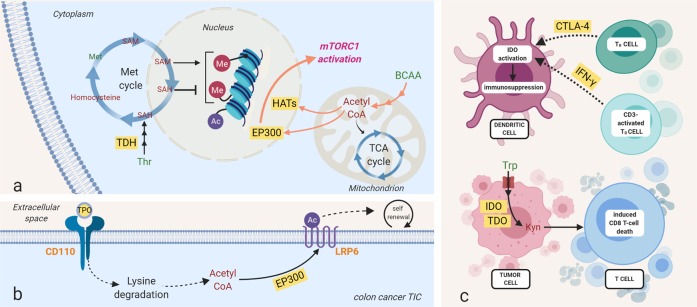
Over 90 years ago, Otto Warburg's seminal discovery of aerobic glycolysis established metabolic reprogramming as one of the first distinguishing characteristics of cancer. The field of cancer metabolism subsequently revealed additional metabolic alterations in cancer by focusing on central carbon metabolism, including the citric acid cycle and pentose phosphate pathway. Recent reports have, however, uncovered substantial non-carbon metabolism contributions to cancer cell viability and growth. Amino acids, nutrients vital to the survival of all cell types, experience reprogrammed metabolism in cancer. This review outlines the diverse roles of amino acids within the tumor and in the tumor microenvironment. Beyond their role in biosynthesis, they serve as energy sources and help maintain redox balance. In addition, amino acid derivatives contribute to epigenetic regulation and immune responses linked to tumorigenesis and metastasis. Furthermore, in discussing the transporters and transaminases that mediate amino acid uptake and synthesis, we identify potential metabolic liabilities as targets for therapeutic intervention.
90 多年前,奥托·瓦尔堡(Otto Warburg)的开创性发现——有氧糖酵解,确立了代谢重编程是癌症的第一个显著特征之一。随后,癌症代谢领域通过关注中心碳代谢,包括柠檬酸循环和磷酸戊糖途径,进一步揭示了癌症中的其他代谢改变。然而,最近的报告揭示了大量非碳代谢对癌细胞活力和生长的贡献。氨基酸是所有细胞类型生存所必需的营养物质,在癌症中经历了代谢重编程。本文综述了氨基酸在肿瘤内和肿瘤微环境中的多种作用。除了在生物合成中的作用外,它们还可用作能源并有助于维持氧化还原平衡。此外,氨基酸衍生物有助于与肿瘤发生和转移相关的表观遗传调控和免疫反应。此外,在讨论介导氨基酸摄取和合成的转运体和氨基转移酶时,我们确定了作为治疗干预靶点的潜在代谢缺陷。