Unit of Infectious Diseases, Department of Clinical and Experimental Medicine, University of Messina, Messina, Italy.
IRCCS Centro Neurolesi Bonino Pulejo, Strada Statale 113, C.da Casazza, 98124, Messina, Italy.
Exp Cell Res. 2020 Oct 15;395(2):112204. doi: 10.1016/j.yexcr.2020.112204. Epub 2020 Jul 28.
SARS-CoV2, the agent responsible for the current pandemic, is also causing respiratory distress syndrome (RDS), hyperinflammation and high mortality. It is critical to dissect the pathogenetic mechanisms in order to reach a targeted therapeutic approach.
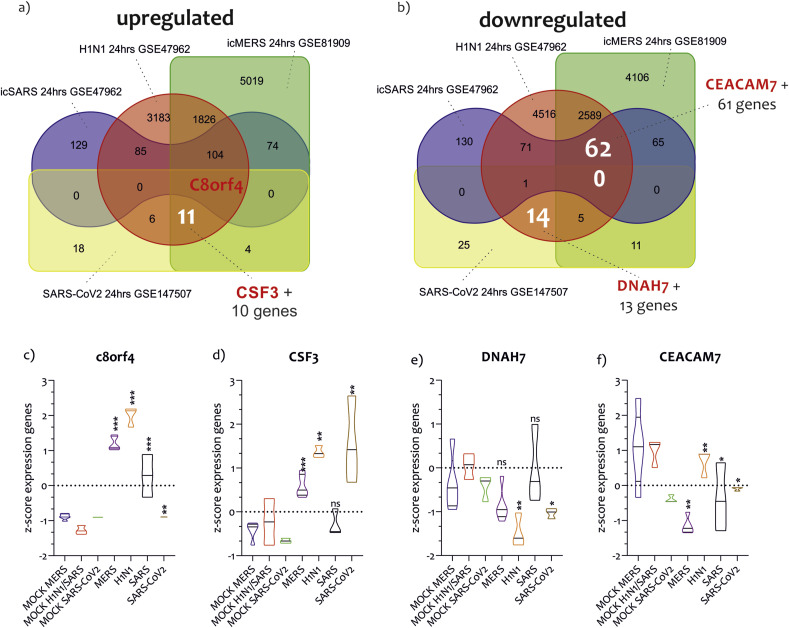
In the present investigation, we evaluated the effects of SARS-CoV on human bronchial epithelial cells (HBEC). We used RNA-seq datasets available online for identifying SARS-CoV potential genes target on human bronchial epithelial cells. RNA expression levels and potential cellular gene pathways have been analyzed. In order to identify possible common strategies among the main pandemic viruses, such as SARS-CoV, SARS-CoV1, MERS-CoV, and H1N1, we carried out a hypergeometric test of the main genes transcribed in the cells of the respiratory tract exposed to these viruses.
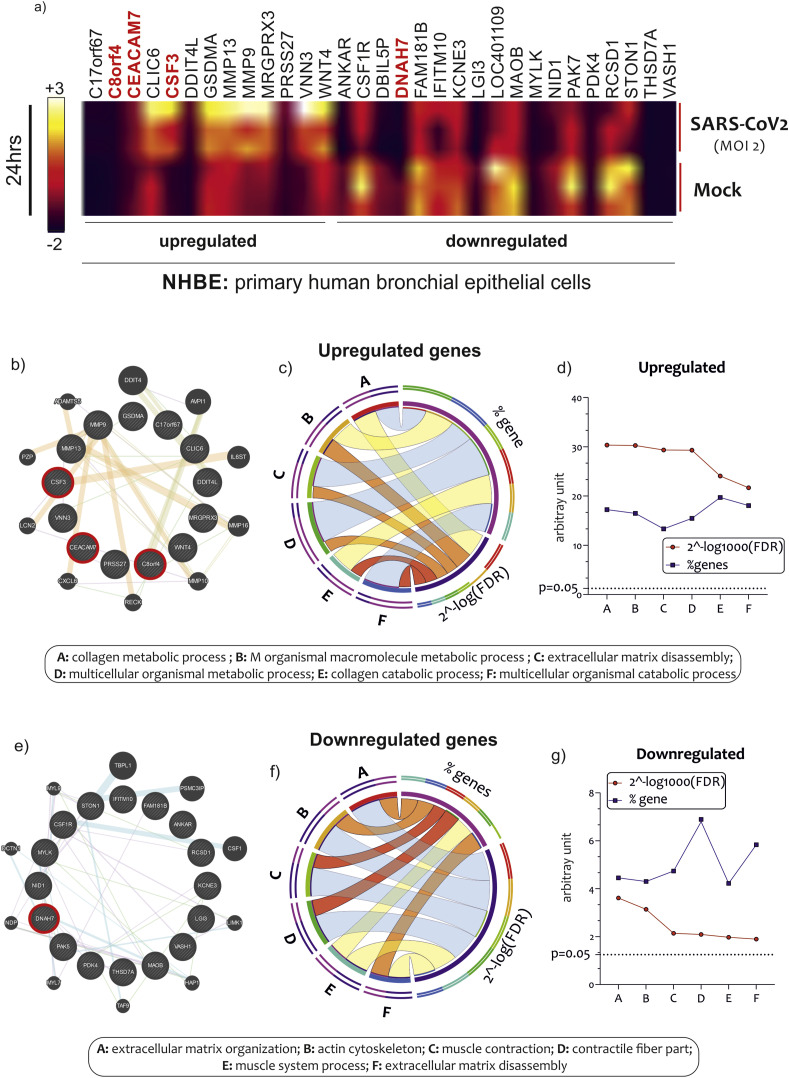
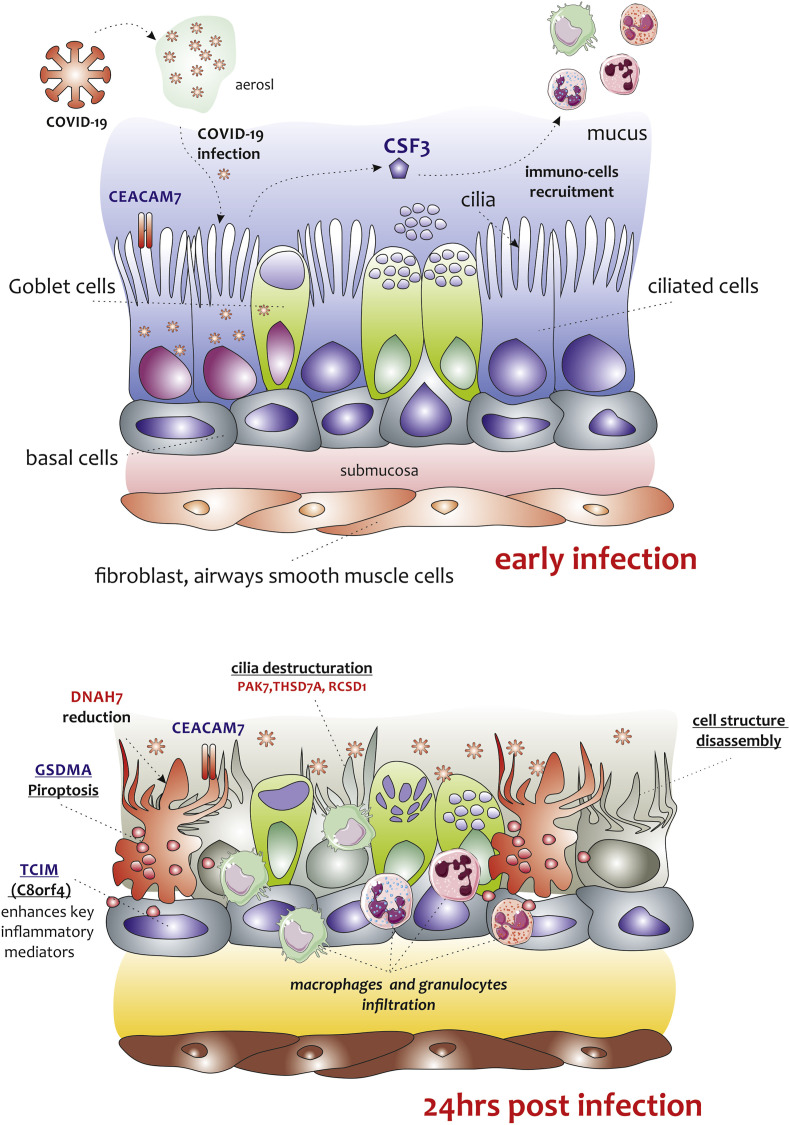
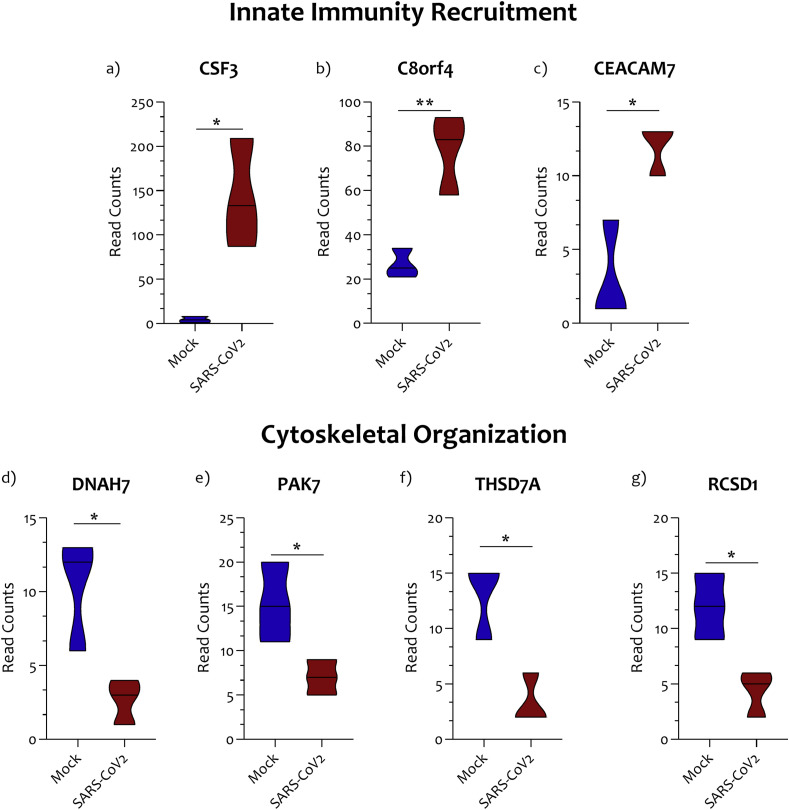
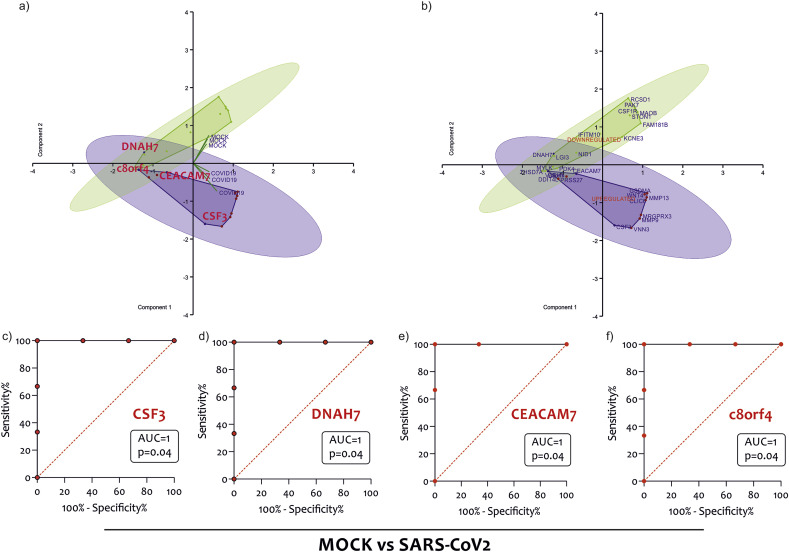
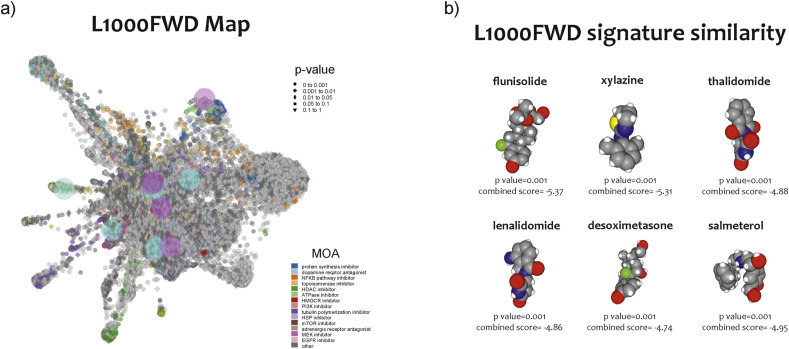
The analysis showed that two mechanisms are highly regulated in HBEC: the innate immunity recruitment and the disassembly of cilia and cytoskeletal structure. The granulocyte colony-stimulating factor (CSF3) and dynein heavy chain 7, axonemal (DNAH7) represented respectively the most upregulated and downregulated genes belonging to the two mechanisms highlighted above. Furthermore, the carcinoembryonic antigen-related cell adhesion molecule 7 (CEACAM7) that codifies for a surface protein is highly specific of SARS-CoV and not for SARS-CoV1, MERS-CoV, and H1N1, suggesting a potential role in viral entry. In order to identify potential new drugs, using a machine learning approach, we highlighted Flunisolide, Thalidomide, Lenalidomide, Desoximetasone, xylazine, and salmeterol as potential drugs against SARS-CoV infection.
Overall, lung involvement and RDS could be generated by the activation and down regulation of diverse gene pathway involving respiratory cilia and muscle contraction, apoptotic phenomena, matrix destructuration, collagen deposition, neutrophil and macrophages recruitment.
导致当前大流行的病原体 SARS-CoV-2 也会引起呼吸窘迫综合征(RDS)、过度炎症和高死亡率。为了找到有针对性的治疗方法,剖析发病机制至关重要。
在本研究中,我们评估了 SARS-CoV 对人支气管上皮细胞(HBEC)的影响。我们使用在线可用的 RNA-seq 数据集来鉴定 SARS-CoV 可能针对人支气管上皮细胞的靶基因。分析了 RNA 表达水平和潜在的细胞基因途径。为了确定 SARS-CoV、SARS-CoV1、MERS-CoV 和 H1N1 等主要大流行病毒之间可能存在的共同策略,我们对暴露于这些病毒的呼吸道细胞中转录的主要基因进行了超几何检验。
分析表明,两种机制在 HBEC 中高度调节:先天免疫募集和纤毛和解聚以及细胞骨架结构。粒细胞集落刺激因子(CSF3)和轴丝动力蛋白重链 7(DNAH7)分别代表上述两种机制中上调和下调最明显的基因。此外,编码表面蛋白的癌胚抗原相关细胞粘附分子 7(CEACAM7)是 SARS-CoV 的高度特异性,而不是 SARS-CoV1、MERS-CoV 和 H1N1,表明其在病毒进入中可能具有潜在作用。为了确定潜在的新药,我们使用机器学习方法,突出了氟尼缩松、沙利度胺、来那度胺、地塞米松、二甲噻嗪和沙丁胺醇作为潜在的 SARS-CoV 感染治疗药物。
总的来说,肺部受累和 RDS 可能是由涉及呼吸纤毛和肌肉收缩、凋亡现象、基质破坏、胶原蛋白沉积、中性粒细胞和巨噬细胞募集的不同基因途径的激活和下调引起的。