Department of Health Sciences, University of Catanzaro "Magna Græcia", Viale Europa, 88100 Catanzaro, Italy.
Institute of Pharmacology, Center for Cardiovascular Research, Charité Universitätsmedizin, 10115 Berlin, Germany.
EBioMedicine. 2020 Sep;59:102912. doi: 10.1016/j.ebiom.2020.102912. Epub 2020 Jul 29.
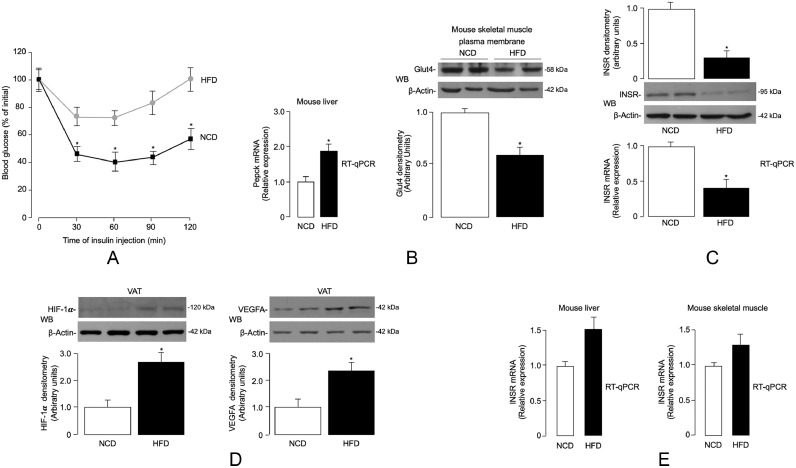
Insulin resistance in visceral adipose tissue (VAT), skeletal muscle and liver is a prominent feature of most patients with obesity. How this association arises remains poorly understood. The objective of this study was to demonstrate that the decrease in insulin receptor (INSR) expression and insulin signaling in VAT from obese individuals is an early molecular manifestation that might play a crucial role in the cascade of events leading to systemic insulin resistance.
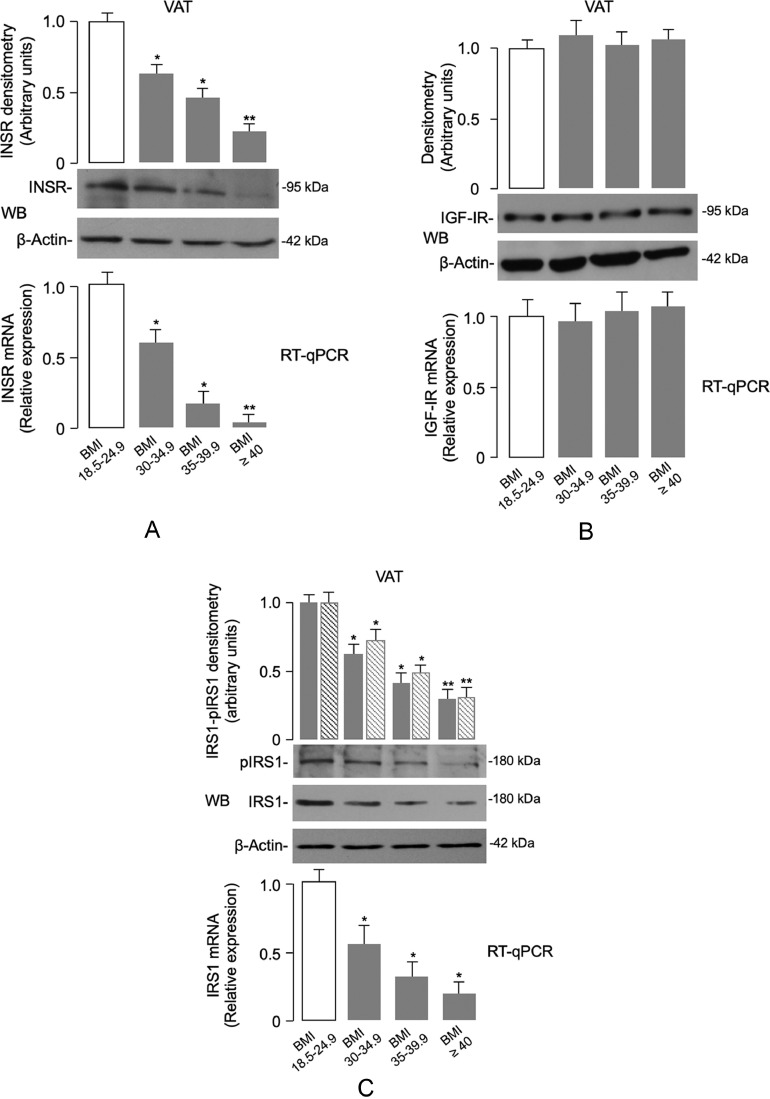
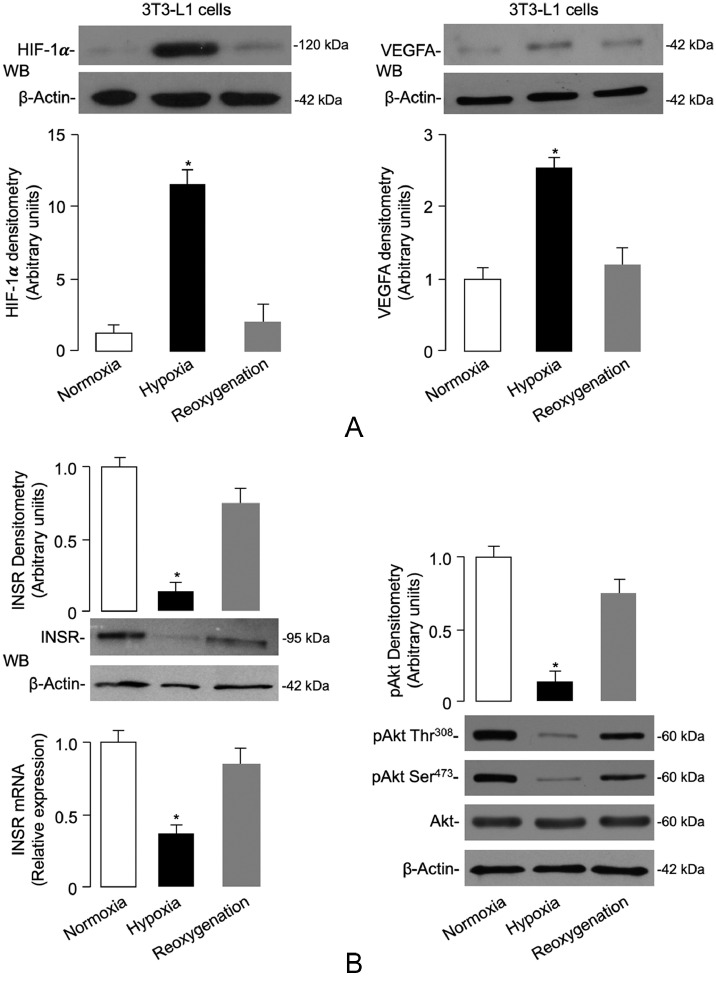
To clarify the role of INSR and insulin signaling in adipose tissue dysfunction in obesity, we first measured INSR expression in VAT samples from normal-weight subjects and patients with different degrees of obesity. We complemented these studies with experiments on high-fat diet (HFD)-induced obese mice, and in human and murine adipocyte cultures, in both normoxic and hypoxic conditions.
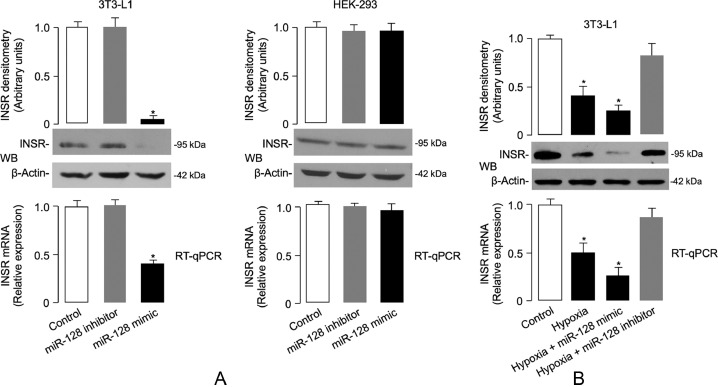
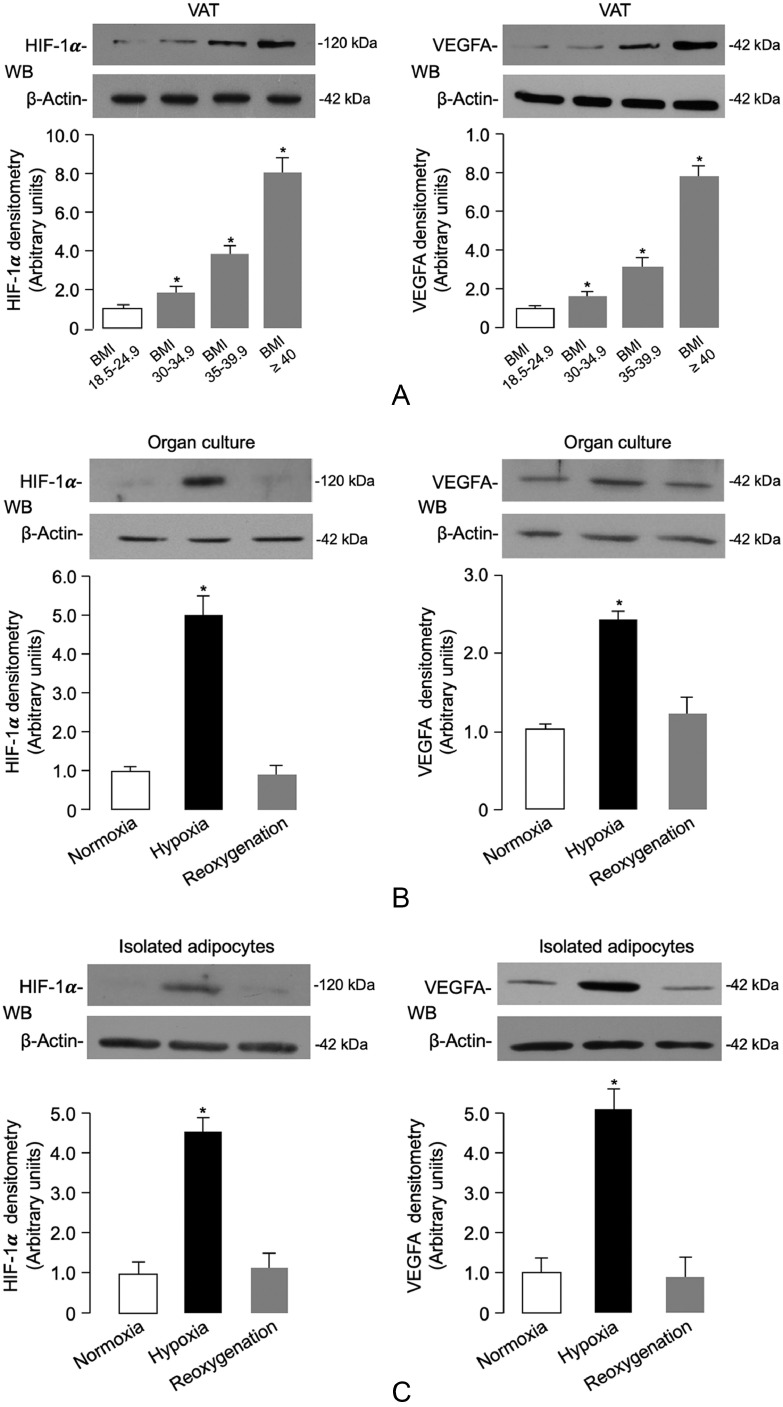
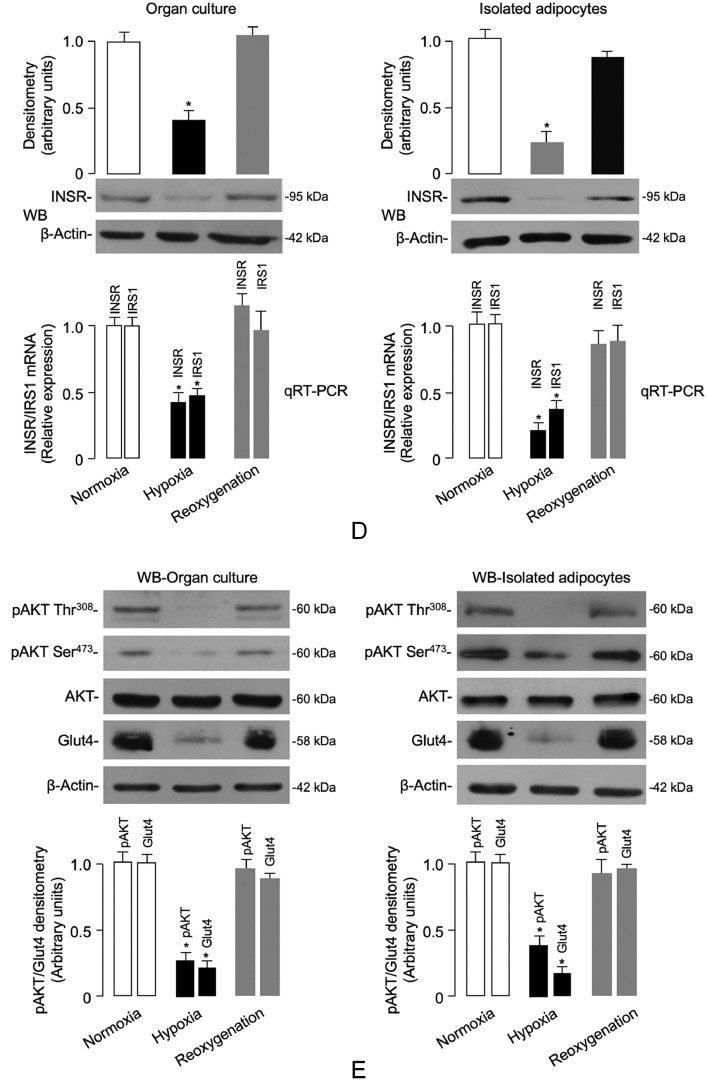
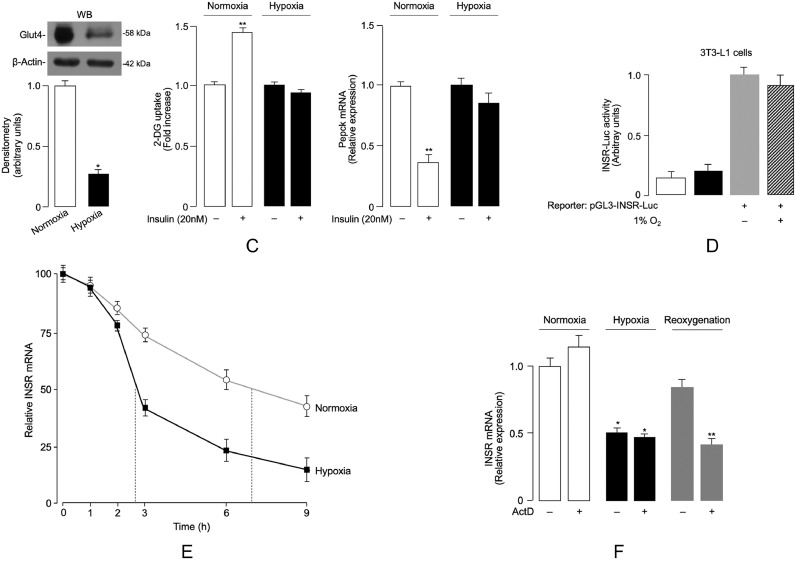
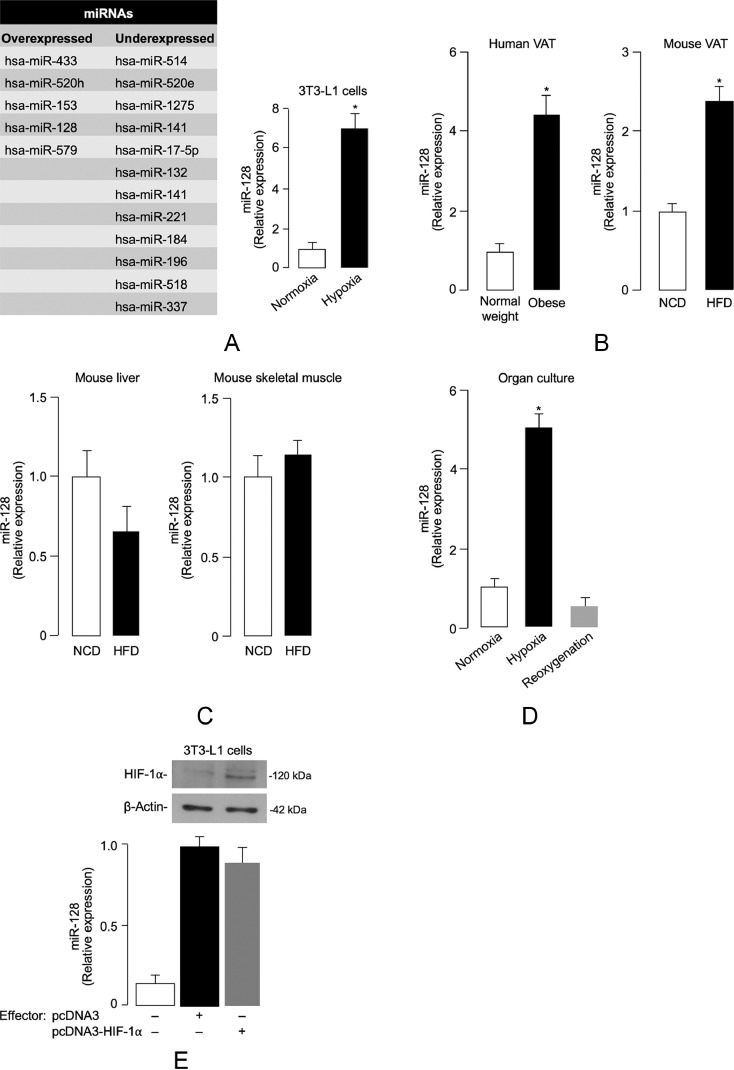
An inverse correlation was observed between increasing body mass index and decreasing INSR expression in VAT of obese humans. Our results indicate that VAT-specific downregulation of INSR is an early event in obesity-related adipose cell dysfunction, which increases systemic insulin resistance in both obese humans and mice. We also provide evidence that obesity-related hypoxia in VAT plays a determinant role in this scenario by decreasing INSR mRNA stability. This decreased stability is through the activation of a miRNA (miR-128) that downregulates INSR expression in adipocytes.
We present a novel pathogenic mechanism of reduced INSR expression and insulin signaling in adipocytes. Our data provide a new explanation linking obesity with systemic insulin resistance.
This work was partly supported by a grant from Nutramed (PON 03PE000_78_1) and by the European Commission (FESR FSE 2014-2020 and Regione Calabria).
内脏脂肪组织(VAT)、骨骼肌和肝脏中的胰岛素抵抗是大多数肥胖患者的一个突出特征。这种关联是如何产生的仍不清楚。本研究旨在证明肥胖个体 VAT 中胰岛素受体(INSR)表达和胰岛素信号的降低是一种早期的分子表现,可能在导致全身胰岛素抵抗的级联事件中发挥关键作用。
为了阐明 INSR 和胰岛素信号在肥胖症脂肪组织功能障碍中的作用,我们首先测量了正常体重受试者和不同程度肥胖患者的 VAT 样本中的 INSR 表达。我们通过高脂肪饮食(HFD)诱导肥胖小鼠的实验以及在正常氧和低氧条件下的人和鼠脂肪细胞培养实验补充了这些研究。
观察到 BMI 增加与肥胖者 VAT 中 INSR 表达降低呈负相关。我们的结果表明,VAT 中 INSR 的特异性下调是肥胖相关脂肪细胞功能障碍的早期事件,它增加了肥胖人群和小鼠的全身胰岛素抵抗。我们还提供了证据表明,VAT 中的肥胖相关缺氧在这种情况下起着决定作用,通过降低 INSR mRNA 的稳定性。这种稳定性降低是通过激活一种 miRNA(miR-128)来下调脂肪细胞中的 INSR 表达。
我们提出了一种新的脂肪细胞中 INSR 表达和胰岛素信号降低的致病机制。我们的数据提供了一个新的解释,将肥胖与全身胰岛素抵抗联系起来。
这项工作部分得到了 Nutramed(PON 03PE000_78_1)和欧盟委员会(FESR FSE 2014-2020 和 Regione Calabria)的资助。