Department of Internal Medicine, Davis Heart & Lung Research Institute, College of Medicine, The Ohio State University, Columbus, OH, USA.
Department of Internal Medicine, Davis Heart & Lung Research Institute, College of Medicine, The Ohio State University, Columbus, OH, USA; National Organization of Drug Control and Research, Cairo, Egypt.
Free Radic Biol Med. 2020 Nov 20;160:630-642. doi: 10.1016/j.freeradbiomed.2020.07.032. Epub 2020 Jul 30.
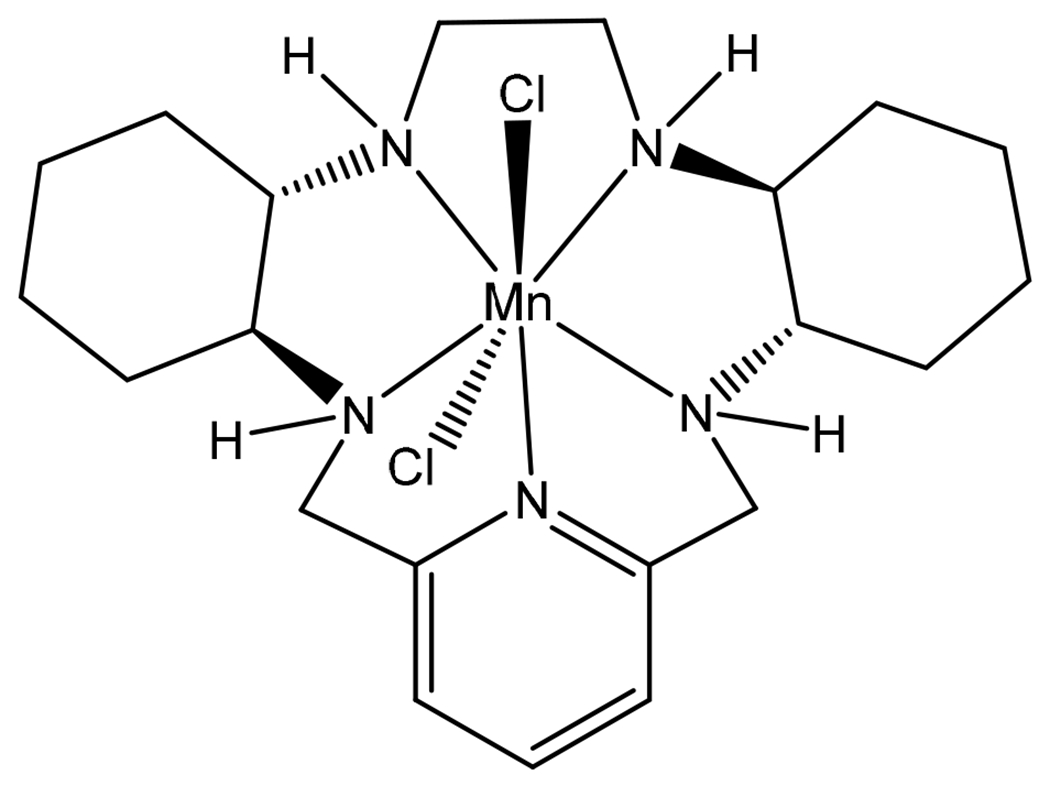
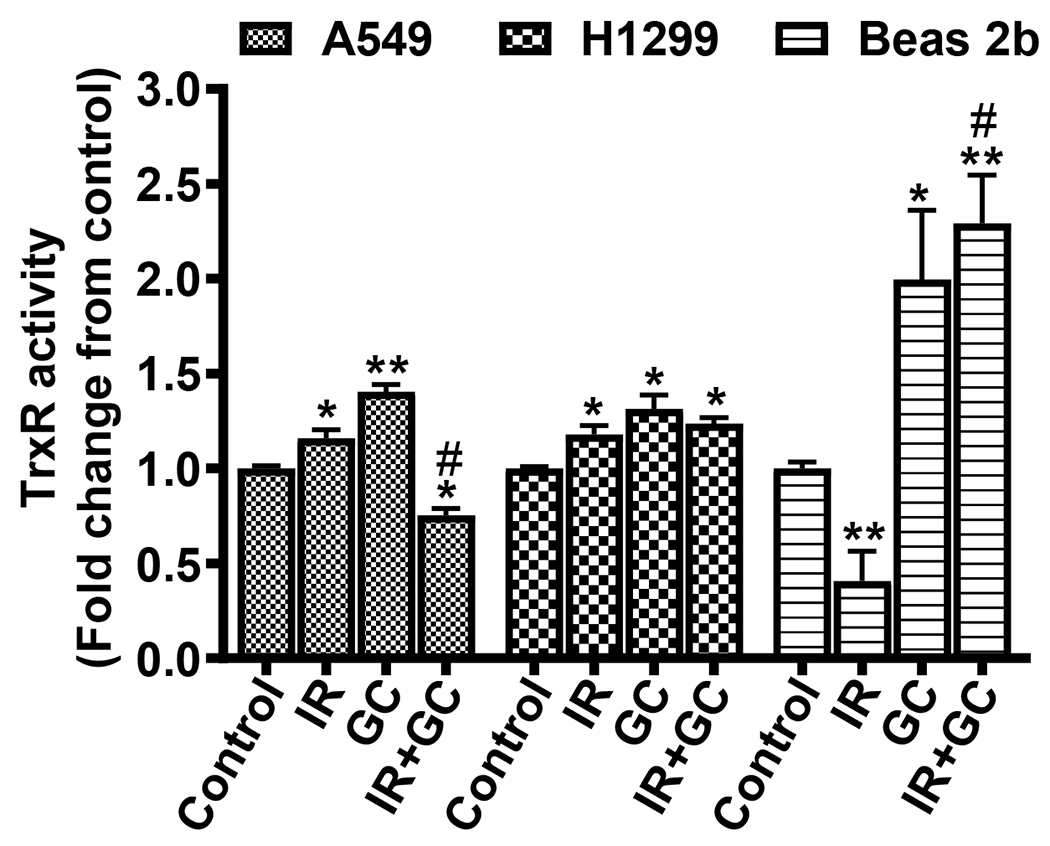
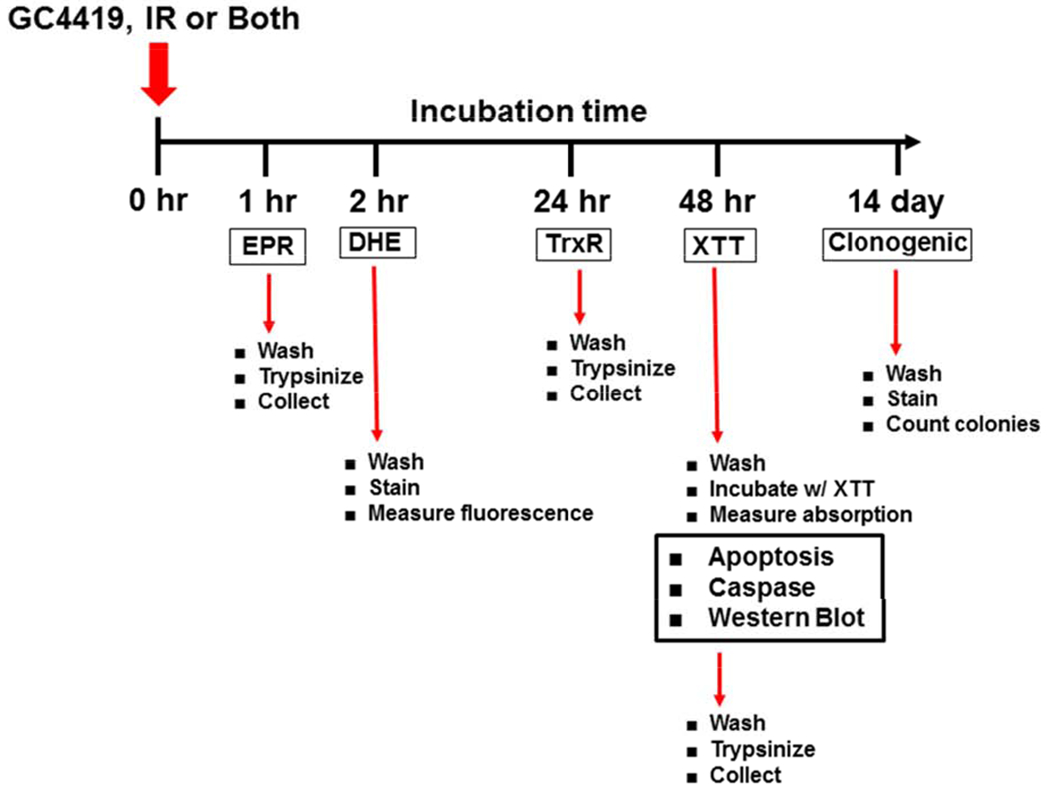
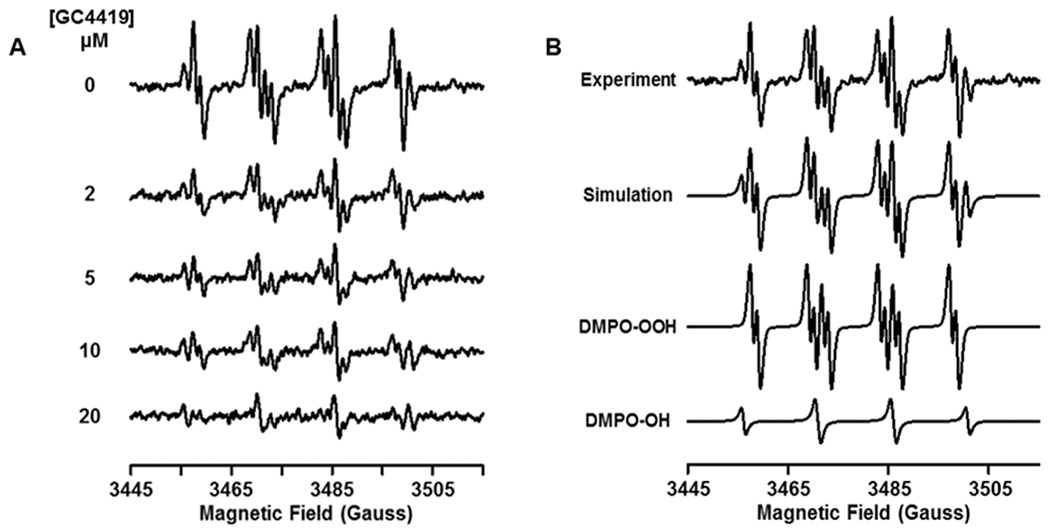
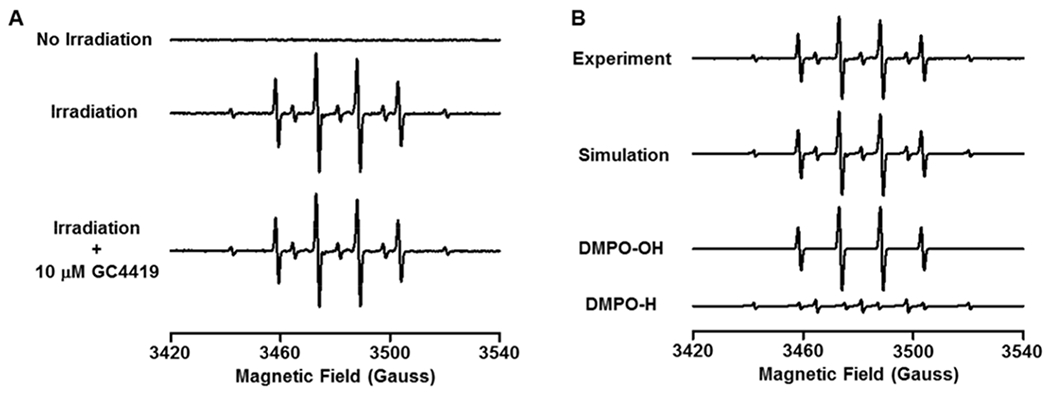
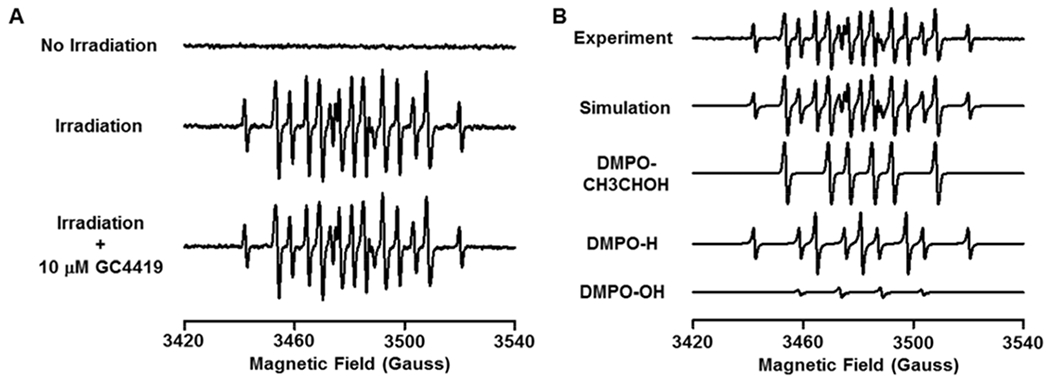
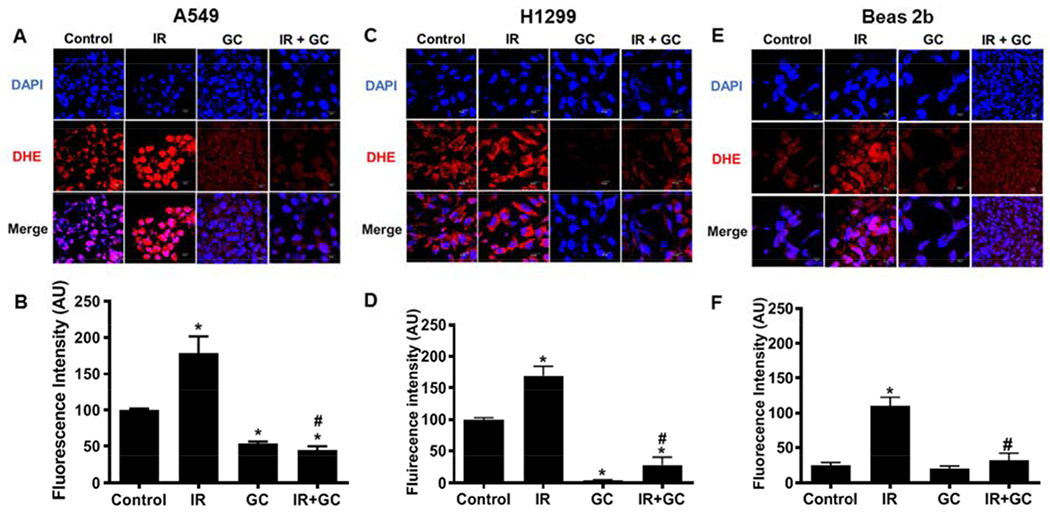
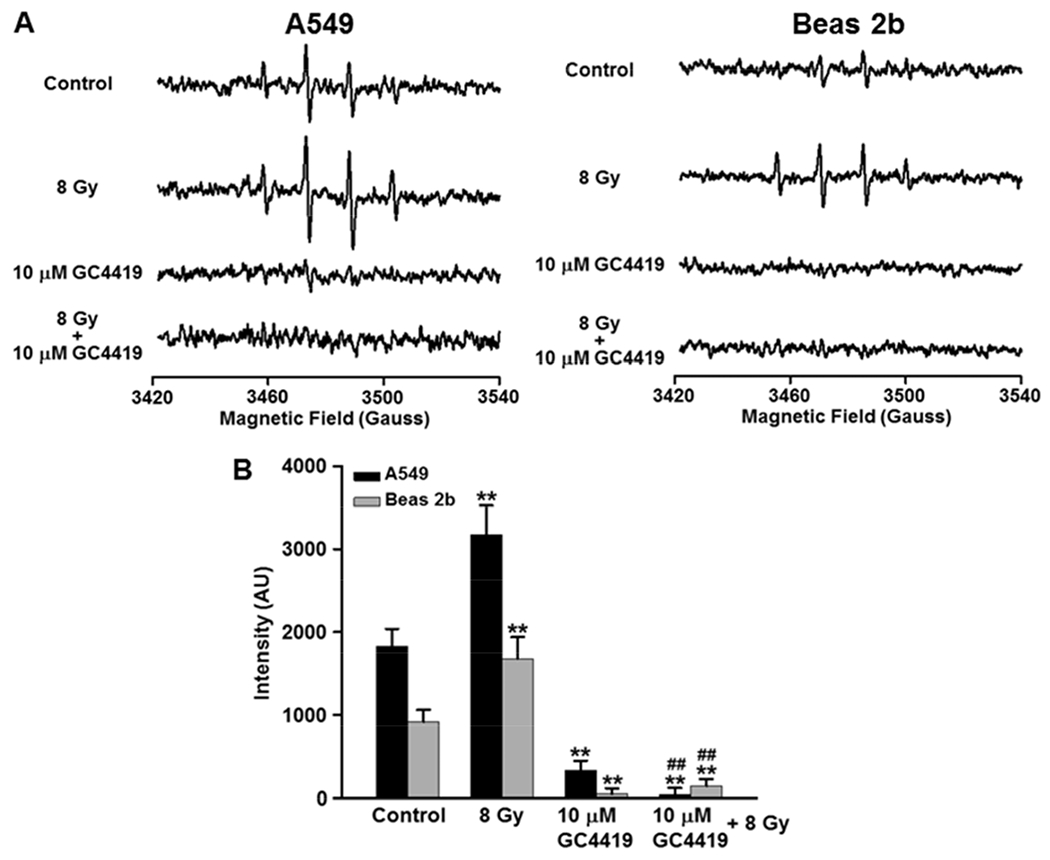
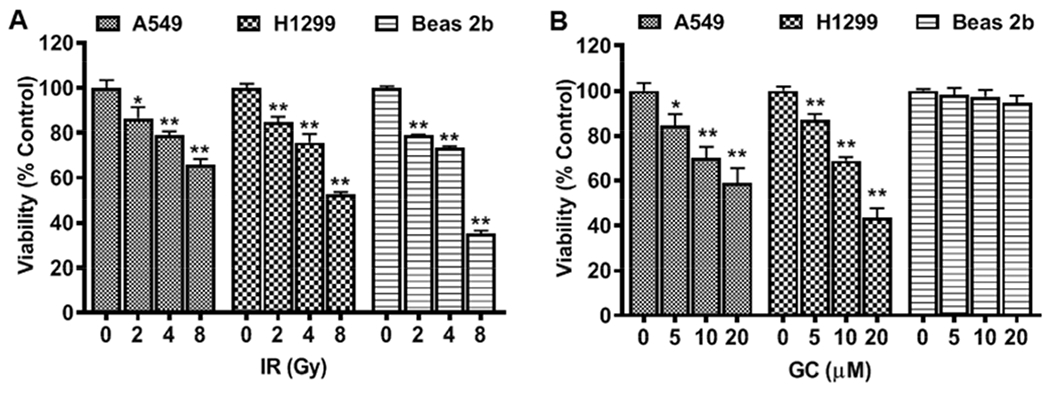
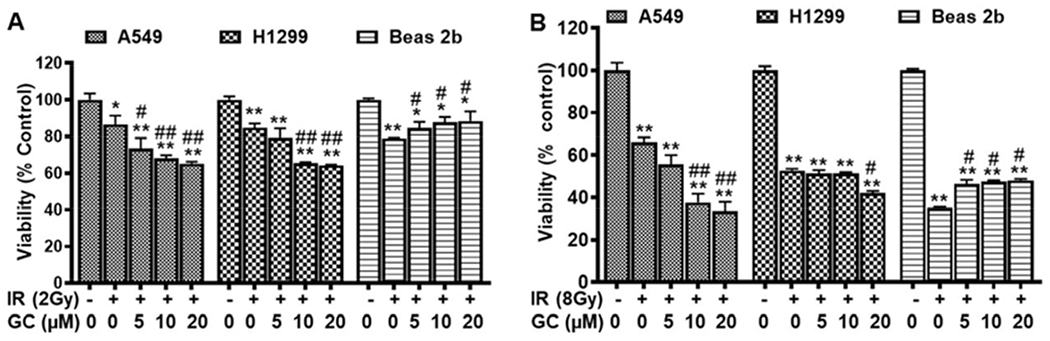
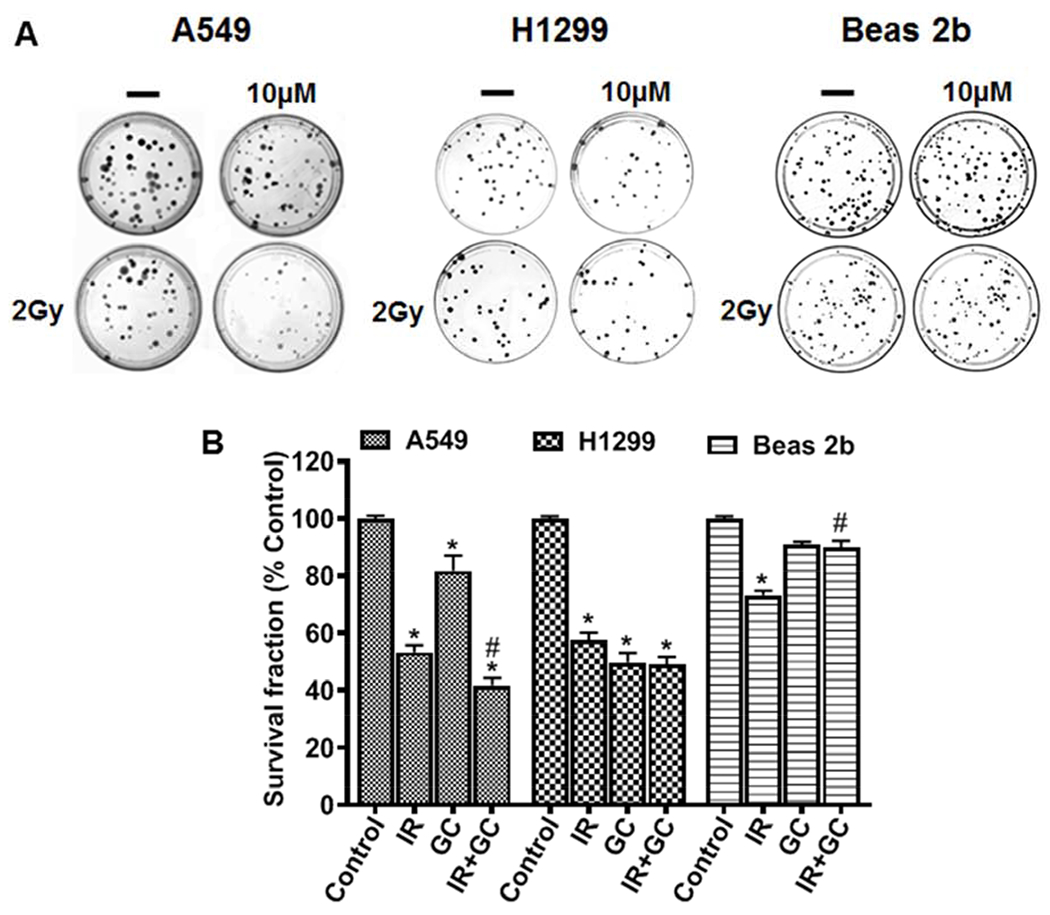
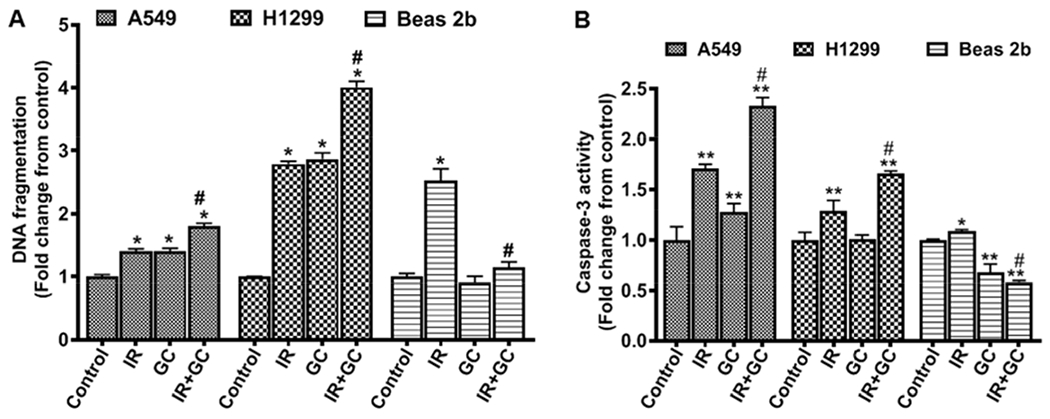
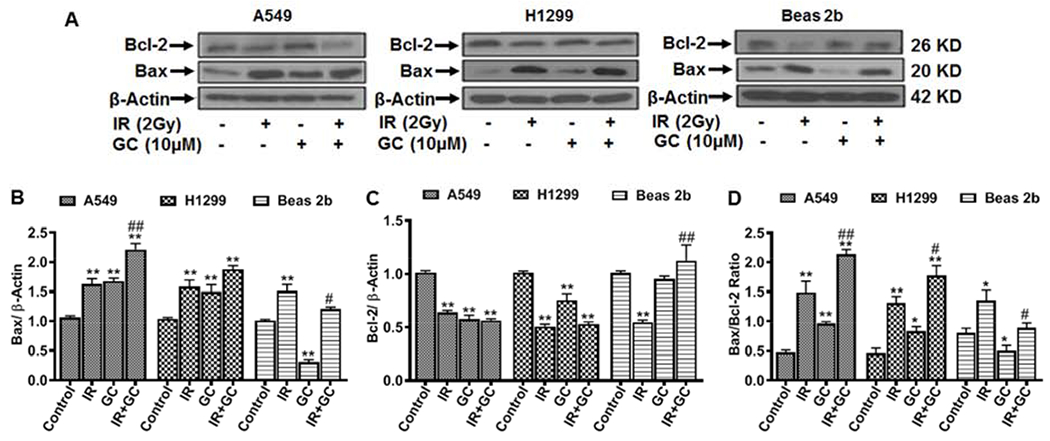
While radiotherapy is a widely used treatment for many types of human cancer, problems of radio-resistance and side effects remain. Side effects induced by ionizing radiation (IR) arise primarily from its propensity to trigger inflammation and oxidative stress with damage of normal cells and tissues near the treatment area. The highly potent superoxide dismutase mimetic, GC4419 (Galera Therapeutics), rapidly enters cells and is highly effective in dismutating superoxide (O). We performed studies to assess the potency of GC4419 in cancer killing and radio-sensitization in human lung cancer cells and normal immortalized lung cells. Treatment with GC4419 did not alter the radical generation during IR, primarily hydroxyl radical (OH); however, it quenched the increased levels of O detected in the cancer cells before and following IR. GC4419 triggered cancer cell death and inhibited cancer cell proliferation with no adverse effect on normal cells. Combination of GC4419 with IR augmented the cytotoxic effects of IR on cancer cells compared to monotherapy, while protecting normal cells from IR-induced cell death. DNA fragmentation and caspase-3 activity assays showed that combination of GC4419 with IR enhances cancer cell apoptosis. Moreover, GC4419 increased IR-induced Bax levels with decreased Bcl-2 and elevated Bax/Bcl-2 ratio following treatment. GC4419 increased TrxR activity in the normal cells but decreased activity in cancer cells, conferring increased cancer cell sensitivity to oxidative stress. In conclusion, GC4419 increases the cytotoxic and pro-apoptotic activity of IR in lung cancer cells while decreasing injury in normal cells.
虽然放射疗法是治疗多种人类癌症的常用方法,但仍然存在放射抗性和副作用的问题。电离辐射 (IR) 引起的副作用主要来自其引发炎症和氧化应激的倾向,导致治疗区域附近的正常细胞和组织受损。高效的超氧化物歧化酶模拟物 GC4419(Galera Therapeutics)可迅速进入细胞,非常有效地歧化超氧化物 (O)。我们进行了研究,以评估 GC4419 在人类肺癌细胞和正常永生化肺细胞中的杀伤癌症和放射增敏作用。GC4419 处理不会改变 IR 期间自由基的生成,主要是羟基自由基 (OH);然而,它可以淬灭在 IR 前后检测到的癌细胞中增加的 O 水平。GC4419 引发癌细胞死亡并抑制癌细胞增殖,对正常细胞没有不良影响。与单独使用 IR 相比,GC4419 与 IR 的联合使用增强了 IR 对癌细胞的细胞毒性作用,同时保护正常细胞免受 IR 诱导的细胞死亡。DNA 片段化和 caspase-3 活性测定表明,GC4419 与 IR 的联合使用增强了癌症细胞的细胞凋亡。此外,GC4419 增加了 IR 诱导的 Bax 水平,降低了 Bcl-2 水平,并在治疗后升高了 Bax/Bcl-2 比值。GC4419 增加了正常细胞中的 TrxR 活性,但降低了癌细胞中的活性,使癌细胞对氧化应激更加敏感。总之,GC4419 增加了 IR 在肺癌细胞中的细胞毒性和促凋亡活性,同时减少了对正常细胞的损伤。