State Key Laboratory of Oncogenes and Related Genes, Stem Cell Research Center, Ren Ji Hospital, School of Medicine, Shanghai Cancer Institute, Shanghai Jiao Tong University, Shanghai 200127, China.
Department of Biliary-Pancreatic Surgery, Ren Ji Hospital, School of Medicine, Shanghai Jiao Tong University, Shanghai 200127, China.
EBioMedicine. 2020 Aug;58:102920. doi: 10.1016/j.ebiom.2020.102920. Epub 2020 Jul 30.
Impaired or hyperactive pancreas regeneration after injury would cause exocrine insufficiency or recurrent / chronic pancreatitis and potentially carcinogenesis. Macrophages are the most abundant immune cells in the regenerative pancreas, however their phenotype and role remain poorly defined.
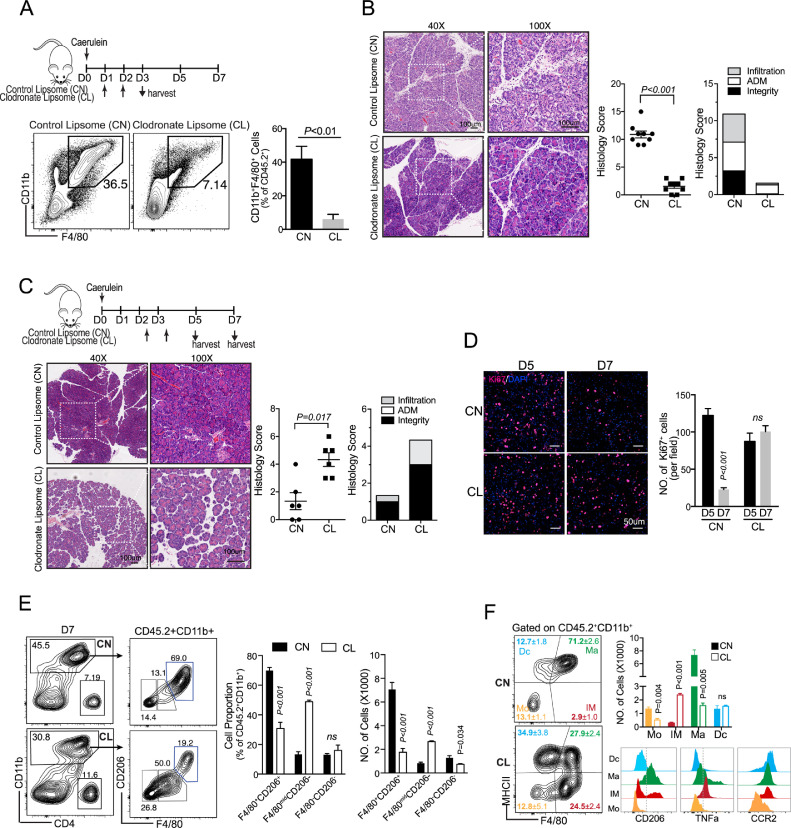
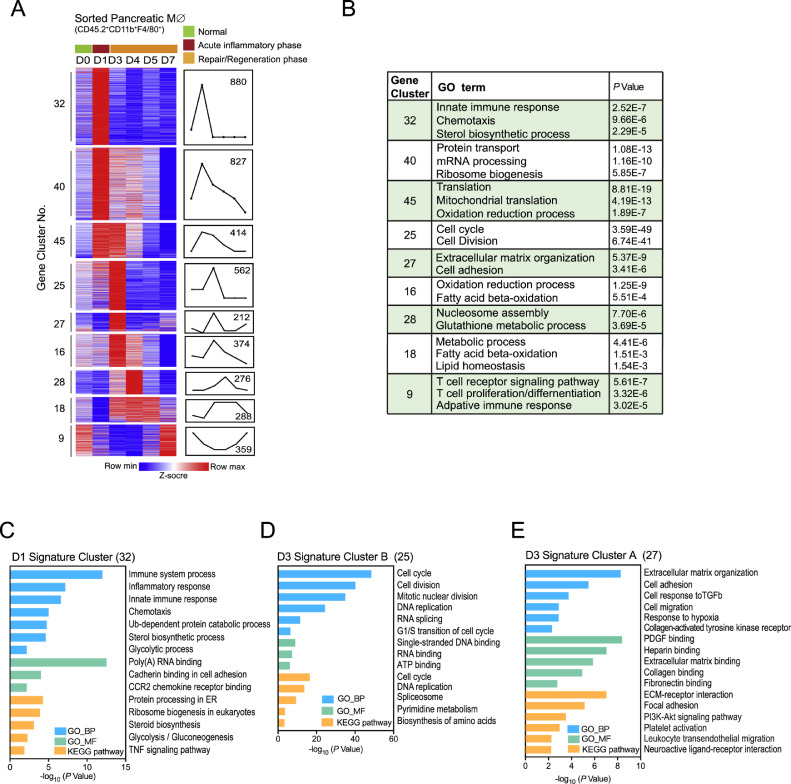
Using caerulein-induced acute pancreatitis (AP) model, we examined the dynamic landscape of pancreatic macrophages throughout the acute inflammation to regeneration phases by flow cytometric and RNA-seq analyses. Liposome depletion of macrophages, Il4ra mice as well as inhibitors were used to elucidate the role and regulatory mechanism of macrophages during pancreatic regeneration.
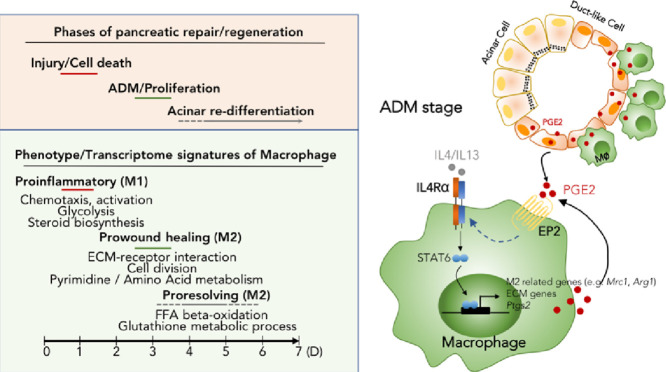
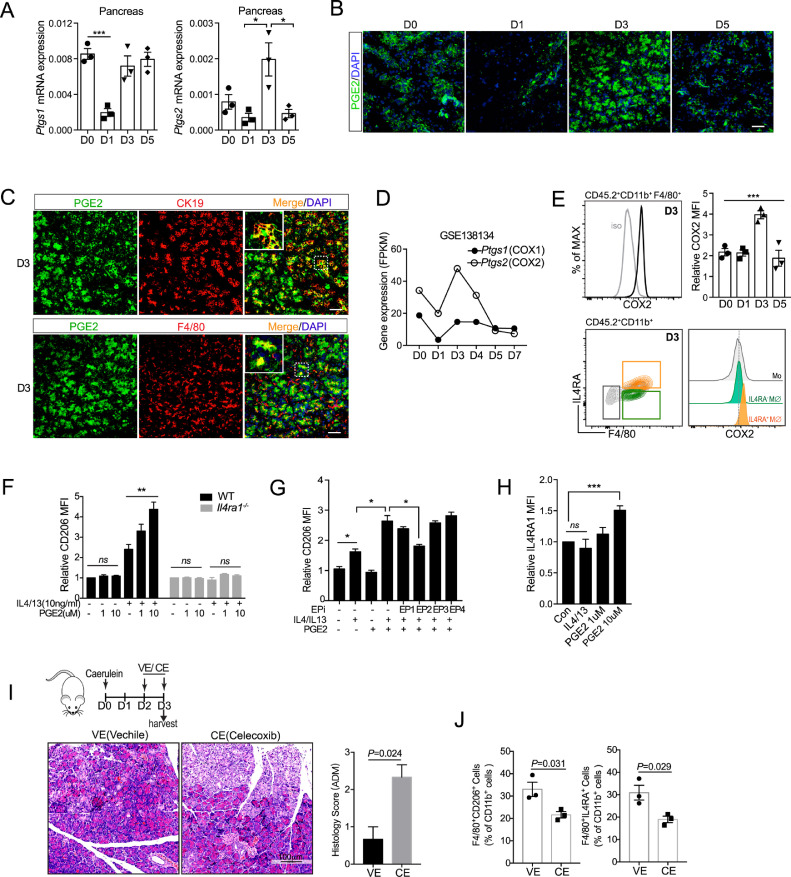
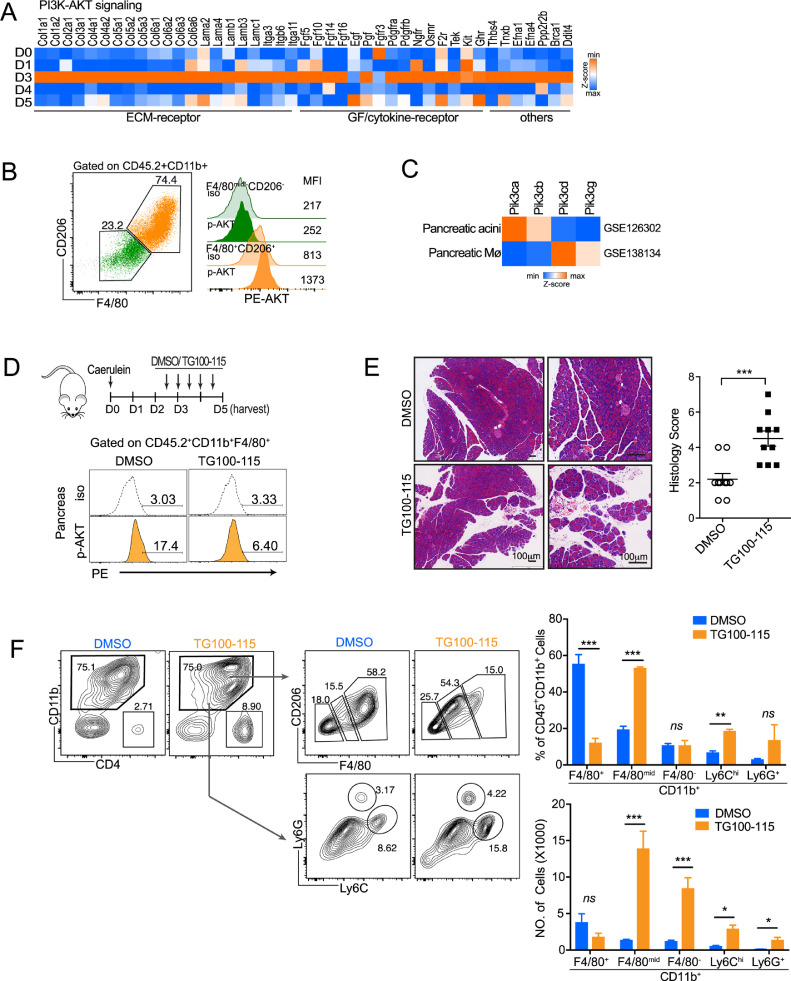
We found that M1 macrophages dominated in the pro-inflammatory phase of AP, while M2-like macrophages dominated during pancreas repair/regeneration. Depletion of macrophages at early or late regenerative stage dramatically blocked the acinar-ductal metaplasia (ADM) or delayed inflammation resolution, respectively. Moreover, alternative activation of macrophages was partially dependent on IL-4RA signaling, and ECM/AKT activation in pancreatic macrophages facilitated inflammation resolution during tissue regeneration.
Our findings illustrate a dynamic phenotype and function of macrophages during AP repair/regeneration, helping us better understand the mechanism of pancreatic regeneration and providing clues for novel therapeutic strategy.
损伤后胰腺再生功能受损或过度活跃会导致外分泌功能不全或复发性/慢性胰腺炎,并可能导致癌变。巨噬细胞是再生胰腺中最丰富的免疫细胞,但它们的表型和作用仍未得到明确界定。
我们使用胆酸钠诱导的急性胰腺炎(AP)模型,通过流式细胞术和 RNA 测序分析,研究了巨噬细胞在急性炎症到再生阶段的动态变化。使用脂质体耗竭巨噬细胞、Il4ra 小鼠以及抑制剂来阐明巨噬细胞在胰腺再生过程中的作用和调控机制。
我们发现 M1 巨噬细胞在 AP 的促炎阶段占主导地位,而 M2 样巨噬细胞在胰腺修复/再生期间占主导地位。在早期或晚期再生阶段耗竭巨噬细胞,分别会显著阻止腺泡-导管化生(ADM)或延迟炎症消退。此外,巨噬细胞的替代激活部分依赖于 IL-4RA 信号,而 ECM/AKT 在胰腺巨噬细胞中的激活有助于组织再生过程中的炎症消退。
我们的发现说明了巨噬细胞在 AP 修复/再生过程中的动态表型和功能,帮助我们更好地理解胰腺再生的机制,并为新的治疗策略提供线索。