
钛克氏针比不锈钢针和羟基磷灰石涂层针更能抵抗生物膜:一项研究。
Titanium Kirschner Wires Resist Biofilms Better Than Stainless Steel and Hydroxyapatite-coated Wires: An Study.
作者信息
McEvoy James P, Martin Philip, Khaleel Arshad, Dissanayeke Shobana
机构信息
Department of Biological Sciences, Royal Holloway, University of London, Egham, Surrey, UK.
Rowley Bristow Orthopaedic Unit, Ashford and St Peter's Hospitals NHS Foundation Trust, Chertsey, Surrey, UK.
出版信息
Strategies Trauma Limb Reconstr. 2019 May-Aug;14(2):57-64. doi: 10.5005/jp-journals-10080-1426.
AIM
External fixation surgery is frequently complicated by percutaneous pin site infection focused on the surface of the fixator pin. The primary aim of this study was to compare biofilm growth of clinically isolated pin site bacteria on Kirschner wires of different materials.
MATERIALS AND METHODS
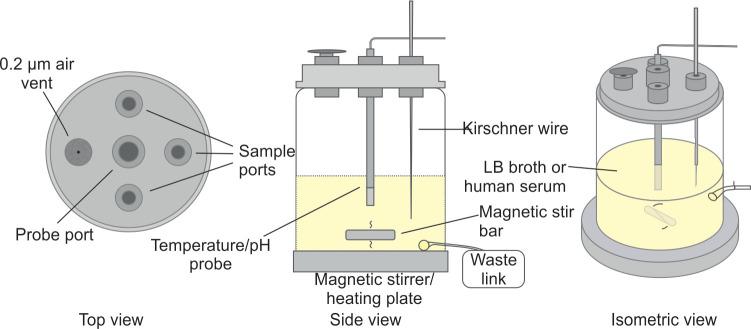
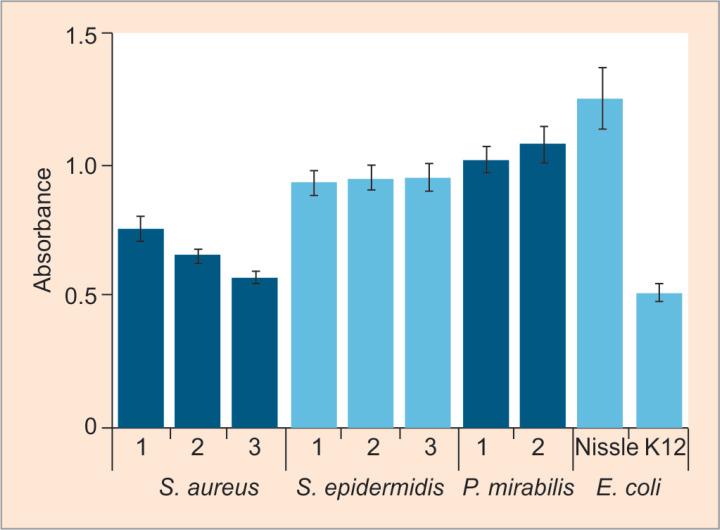
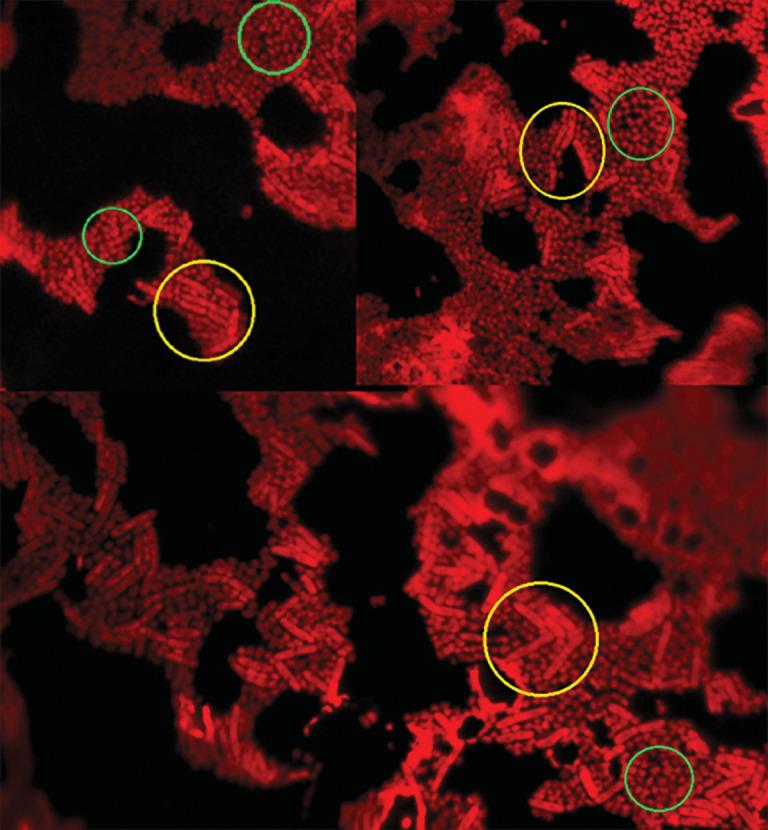
Two commonly infecting species, and , were isolated from patients' pin sites. A stirred batch bioreactor was used to grow these bacteria as single culture and co-cultured biofilms on Kirschner wires made of three different materials: stainless steel, hydroxyapatite-coated steel and titanium alloy.
RESULTS
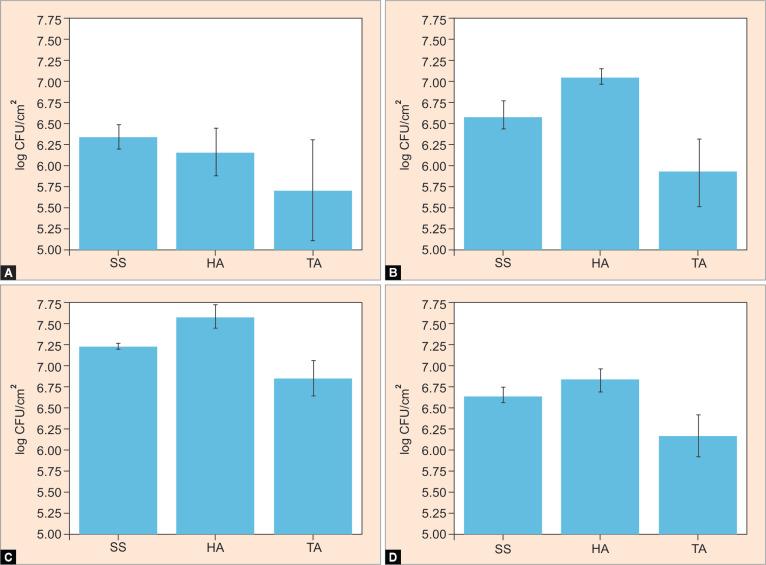
We found that the surface density of viable cells within these biofilms was 3x higher on stainless steel and 4.5x higher on hydroxyapatite-coated wires than on the titanium wires.
CONCLUSION
Our results suggest that the lower rates of clinical pin site infection seen with titanium Kirschner wires are due to, at least in part, titanium's better bacterial biofilm resistance.
CLINICAL SIGNIFICANCE
Our results are consistent with clinical studies which have found that pin site infection rates are reduced by the use of titanium relative to stainless steel or hydroxyapatite-coated pins.
HOW TO CITE THIS ARTICLE
McEvoy JP, Martin P, Khaleel A, Titanium Kirschner Wires Resist Biofilms Better Than Stainless Steel and Hydroxyapatite-coated Wires: An Study. Strategies Trauma Limb Reconstr 2019;14(2):57-64.
目的
外固定手术常因固定针表面的经皮针道感染而复杂化。本研究的主要目的是比较临床分离的针道细菌在不同材料克氏针上的生物膜生长情况。
材料与方法
从患者针道分离出两种常见感染菌。使用搅拌式分批生物反应器将这些细菌作为单一培养物,并在由三种不同材料制成的克氏针上共培养生物膜,这三种材料分别是不锈钢、羟基磷灰石涂层钢和钛合金。
结果
我们发现,这些生物膜内活细胞的表面密度在不锈钢上比在钛丝上高3倍,在羟基磷灰石涂层针上比在钛丝上高4.5倍。
结论
我们的结果表明,钛克氏针临床针道感染率较低至少部分归因于钛对细菌生物膜的抵抗力更强。
临床意义
我们的结果与临床研究一致,临床研究发现,与不锈钢或羟基磷灰石涂层针相比,使用钛针可降低针道感染率。
如何引用本文
McEvoy JP, Martin P, Khaleel A, 钛克氏针比不锈钢和羟基磷灰石涂层针更能抵抗生物膜:一项 研究。《创伤肢体重建策略》2019年;14(2):57 - 64。
 Zotero 插件