Shen Hongyu, Wang Lin, Chen Qinnan, Xu Juqing, Zhang Jin, Fang Leping, Wang Jun, Fan Weifei
Department of Hematology and Oncology, Department of Geriatric Lung Cancer Laboratory, Geriatric Hospital of Nanjing Medical University, Jiangsu Province Geriatric Hospital, Nanjing, Jiangsu, China.
Department of Clinical Medicine, Jiangsu Health Vocational College, Nanjing, Jiangsu, China.
J Cancer. 2020 Jun 16;11(17):4933-4946. doi: 10.7150/jca.45378. eCollection 2020.
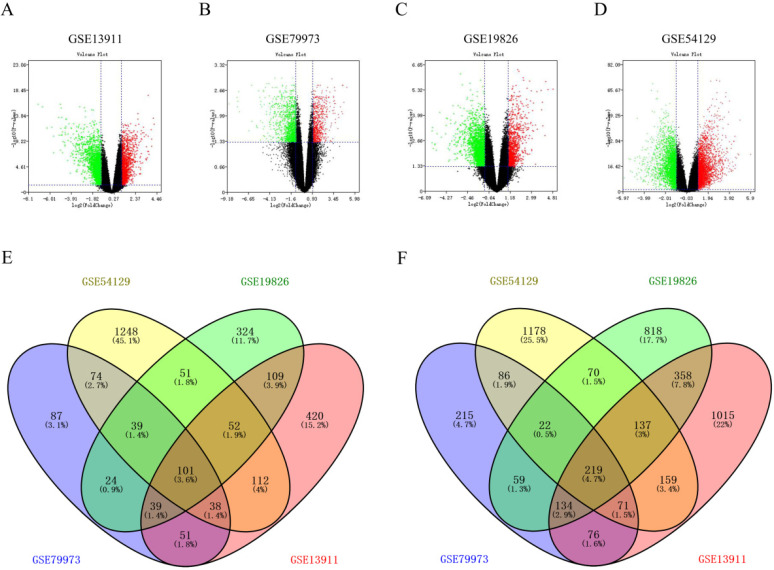
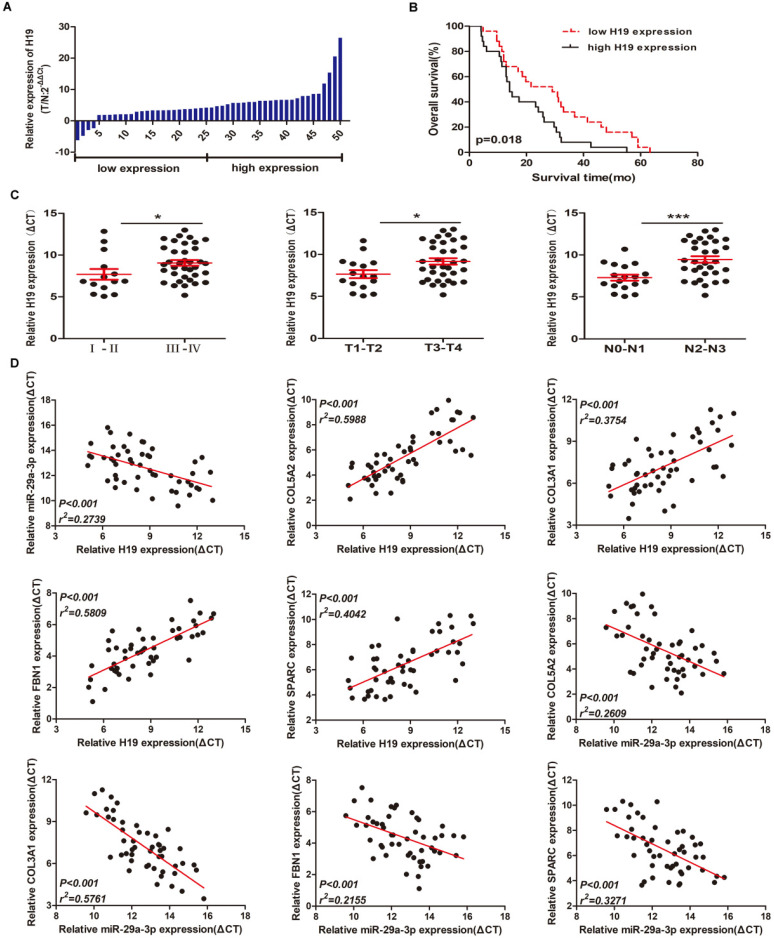
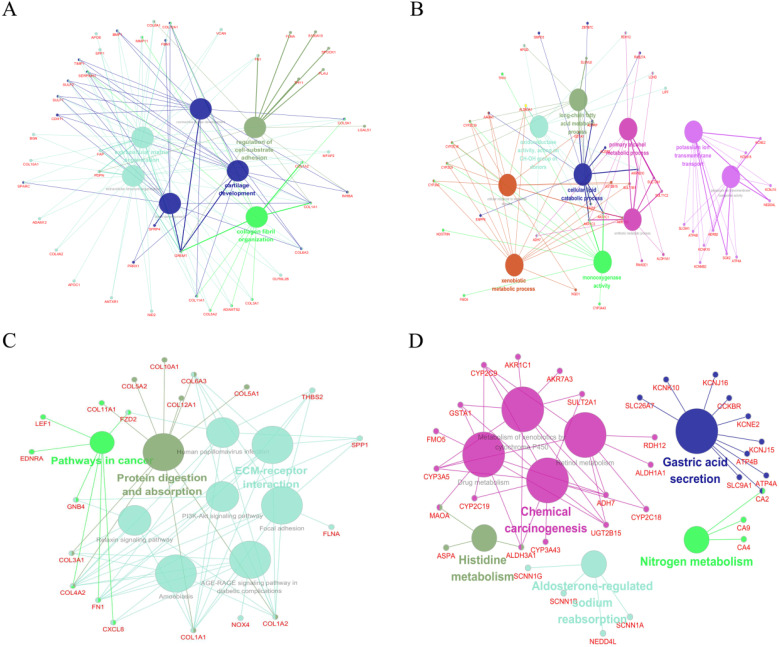
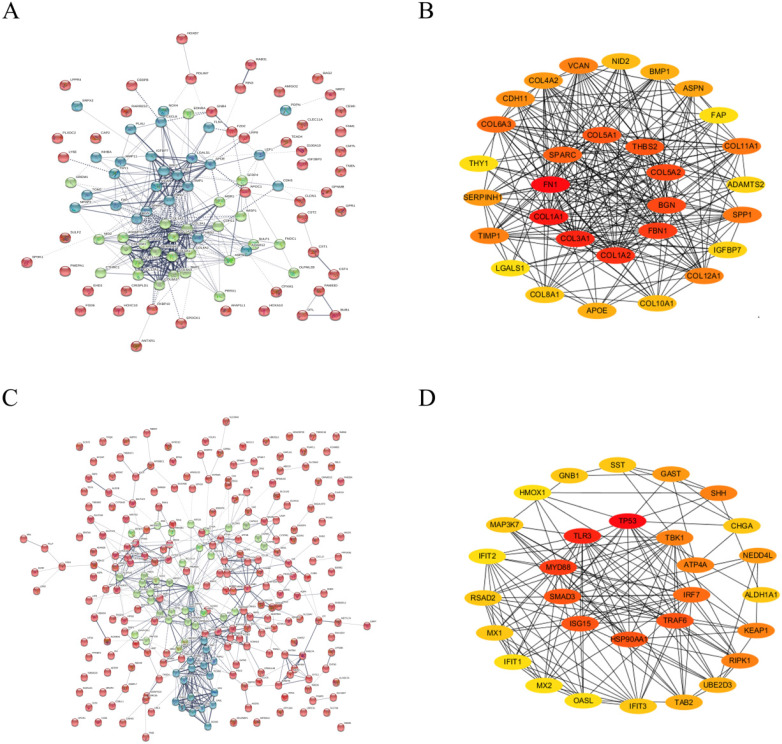
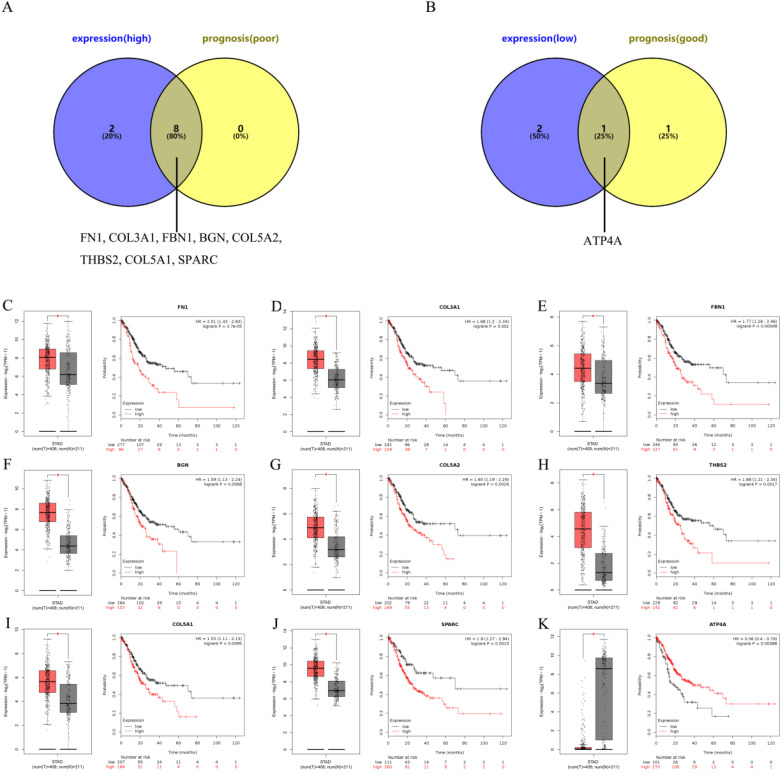
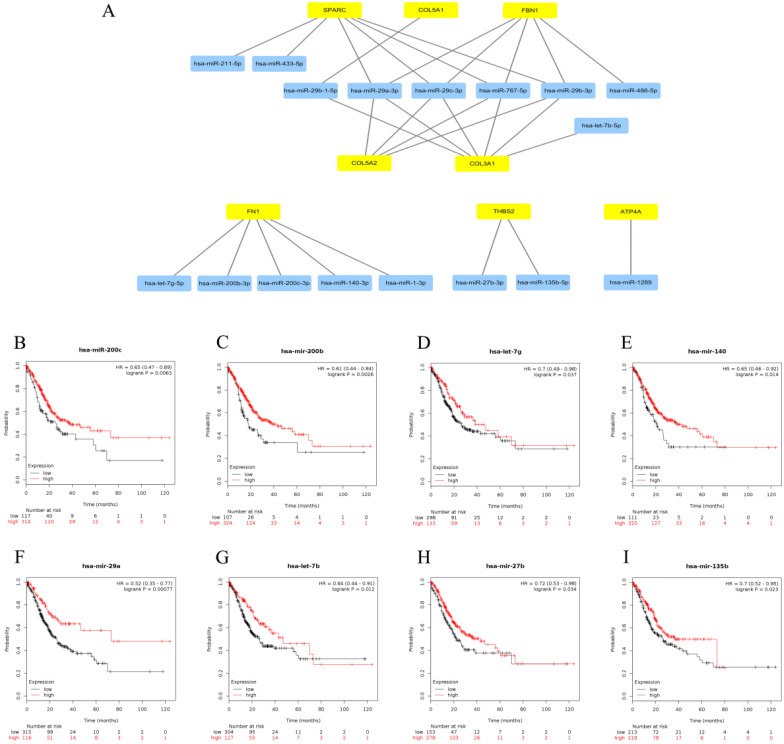
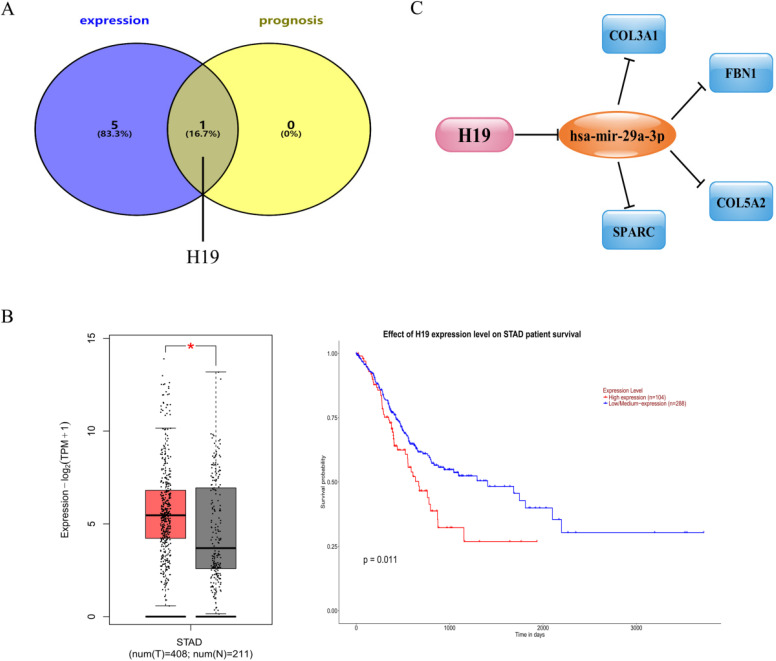
Increasing studies on malignant tumors have proposed a new competing endogenous RNA (ceRNA) regulatory mechanism that mRNA, miRNA and lncRNA interact with each other. However, the mRNA-miRNA-lncRNA associated ceRNA network in gastric cancer remains unknown. We used online bioinformatic softwares to predict the hub genes and their upstream miRNAs and lncRNAs in gastric cancer, and then performed survival analyses. After collecting gastric cancer tissue samples and performing PCR experiments, the correlations among predicted mRNA, miRNA and lncRNA were further verified. A total of 101 up-regulated significant differentially expressed genes (DEGs) and 219 down-regulated significant DEGs in gastric cancer were confirmed. Functional enrichment analyses of these significant DEGs indicated that they were potentially enriched in some pathways involved in tumor malignant biological processes or metabolism. Then, we identified 20 hub genes in the PPI networks. Combined with expression and survival analyses, 8 up-regulated genes and 1 down-regulated gene were identified as central genes and acted as important prognostic roles in gastric cancer. 17 miRNAs were confirmed that might potentially regulate the expressions of these central genes. But only 8 out of them indicated better outcome in gastric cancer. Further, 79 lncRNAs were predicted that might have the potence to combine with the 8 central miRNAs. The lncRNA H19 was eventually defined as a central lncRNA by survival analyses. Stimultaneously, we found that there were certain interactions among lncRNA, miRNA and mRNAs in 50 gastric cancer tissues by qRT-PCR. Moreover, the high expression of H19 is associated with advanced TNM stage, primary tumor and lymph nodes, indicating a poor prognosis. In summary, we uncovered the prognostic value of COL3A1/FBN1/COL5A2/SPARC-mir-29a-3p-H19 ceRNA network in gastric cancer.
越来越多关于恶性肿瘤的研究提出了一种新的竞争性内源性RNA(ceRNA)调控机制,即信使核糖核酸(mRNA)、微小核糖核酸(miRNA)和长链非编码核糖核酸(lncRNA)相互作用。然而,胃癌中mRNA-miRNA-lncRNA相关的ceRNA网络仍不清楚。我们使用在线生物信息学软件预测胃癌中的枢纽基因及其上游miRNA和lncRNA,然后进行生存分析。在收集胃癌组织样本并进行聚合酶链反应(PCR)实验后,进一步验证了预测的mRNA、miRNA和lncRNA之间的相关性。共确认了胃癌中101个上调的显著差异表达基因(DEG)和219个下调的显著DEG。这些显著DEG的功能富集分析表明,它们可能富集于一些参与肿瘤恶性生物学过程或代谢的途径中。然后,我们在蛋白质-蛋白质相互作用(PPI)网络中鉴定出20个枢纽基因。结合表达和生存分析,8个上调基因和1个下调基因被鉴定为中心基因,并在胃癌中发挥重要的预后作用。确认有17个miRNA可能潜在地调节这些中心基因的表达。但其中只有8个在胃癌中显示出较好的预后。此外,预测有79个lncRNA可能具有与8个中心miRNA结合的能力。通过生存分析,lncRNA H19最终被定义为中心lncRNA。同时,我们通过定量逆转录PCR(qRT-PCR)发现50个胃癌组织中lncRNA、miRNA和mRNA之间存在一定的相互作用。此外,H19的高表达与晚期TNM分期、原发性肿瘤和淋巴结相关,提示预后不良。总之,我们揭示了COL3A1/FBN1/COL5A2/SPARC-mir-29a-3p-H19 ceRNA网络在胃癌中的预后价值。