Zhang Chen-Xing, Wang Hui-Yu, Yin Lei, Mao You-Ying, Zhou Wei
Department of Nephrology, Shanghai Children's Medical Center, Shanghai Jiao Tong University School of Medicine, 200127, Shanghai, China.
Institute of Physiological Chemistry and Pathobiochemistry, University of Muenster, 48149, Muenster, Germany.
J Transl Autoimmun. 2020 Mar 17;3:100046. doi: 10.1016/j.jtauto.2020.100046. eCollection 2020.
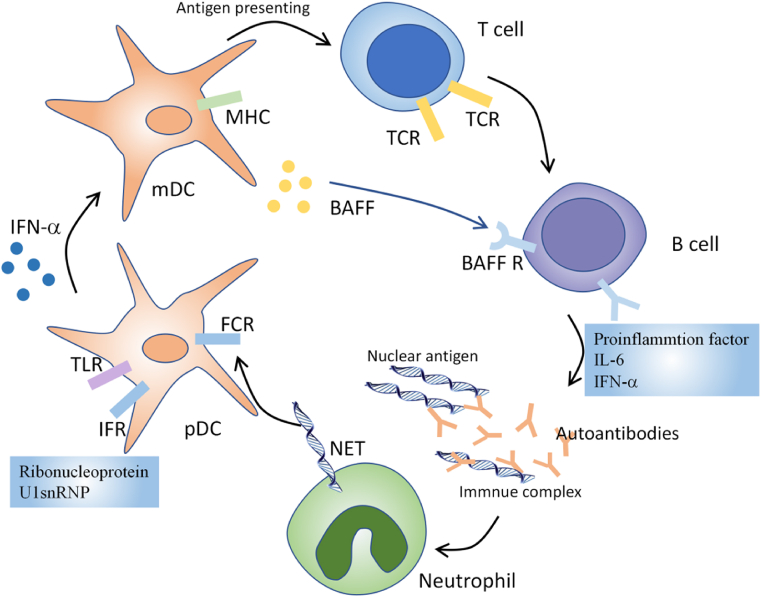
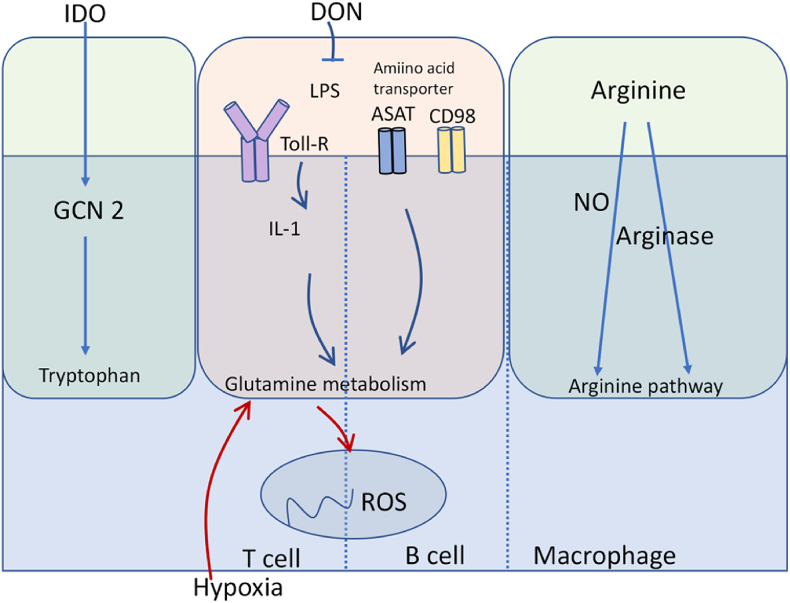
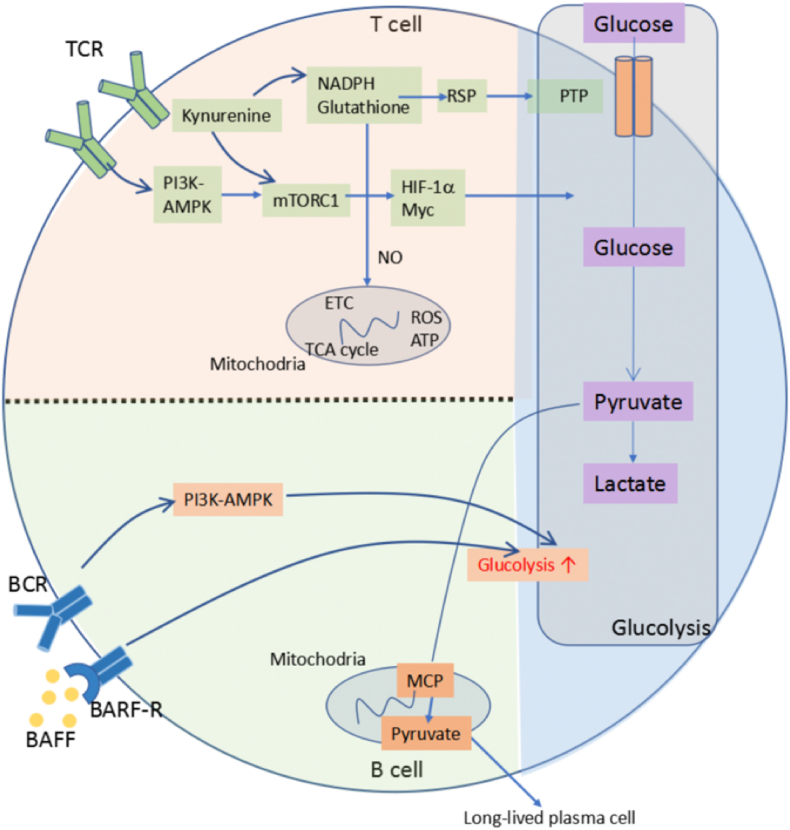
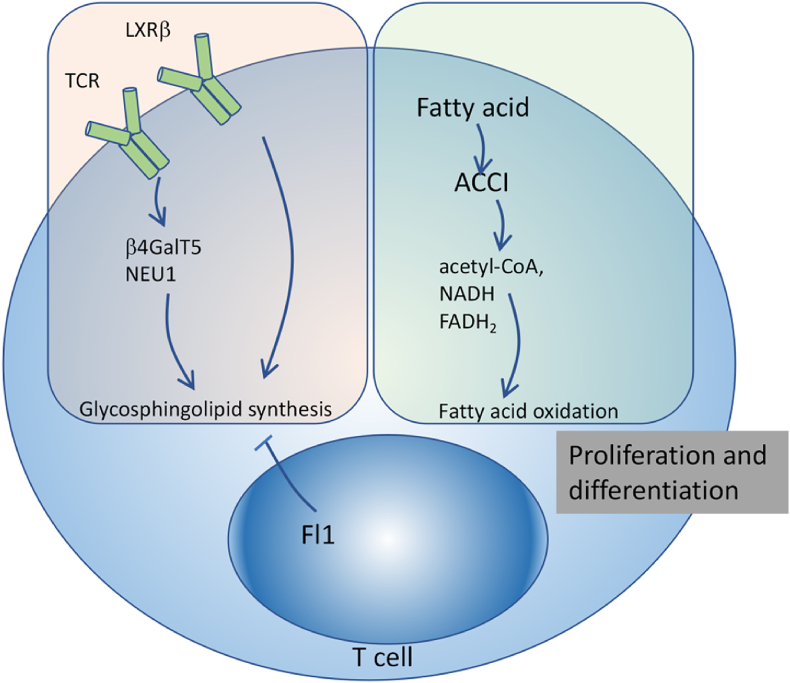
Systemic lupus erythematosus (SLE) is a typical autoimmune disease characterized by chronic inflammation and pathogenic auto-antibodies. Apart from B cells, dysregulation of other immune cells also plays an essential role in the pathogenesis and development of the disease including CD4T cells, dendritic cells, macrophages and neutrophils. Since metabolic programs control immune cell fate and function, they are critical checkpoints in an effective immune response and are involved in the etiology of autoimmune disease. In addition, mitochondria and oxidative stress are both involved in cellular metabolism and is also essential in immune response. In this review, apart from the disturbed immune system, we will discuss mitochondrial dysfunction, oxidative stress, abnormal metabolism (including glucose, lipid and amino acid metabolism) of immune cells as well as epigenetic control of metabolism reprogramming to elucidate the underlying pathogenic mechanisms of systemic lupus erythematosus.
系统性红斑狼疮(SLE)是一种典型的自身免疫性疾病,其特征为慢性炎症和致病性自身抗体。除B细胞外,其他免疫细胞的失调在该疾病的发病机制和发展过程中也起着至关重要的作用,包括CD4T细胞、树突状细胞、巨噬细胞和中性粒细胞。由于代谢程序控制免疫细胞的命运和功能,它们是有效免疫反应中的关键检查点,并参与自身免疫性疾病的病因学。此外,线粒体和氧化应激都参与细胞代谢,在免疫反应中也至关重要。在本综述中,除了紊乱的免疫系统外,我们还将讨论线粒体功能障碍、氧化应激、免疫细胞的异常代谢(包括葡萄糖、脂质和氨基酸代谢)以及代谢重编程的表观遗传控制,以阐明系统性红斑狼疮的潜在致病机制。