Department of Prosthetic Dentistry, Faculty of Dental Medicine, University of Medicine and Pharmacy of Craiova, Romania;
Rom J Morphol Embryol. 2020;61(1):121-128. doi: 10.47162/RJME.61.1.13.
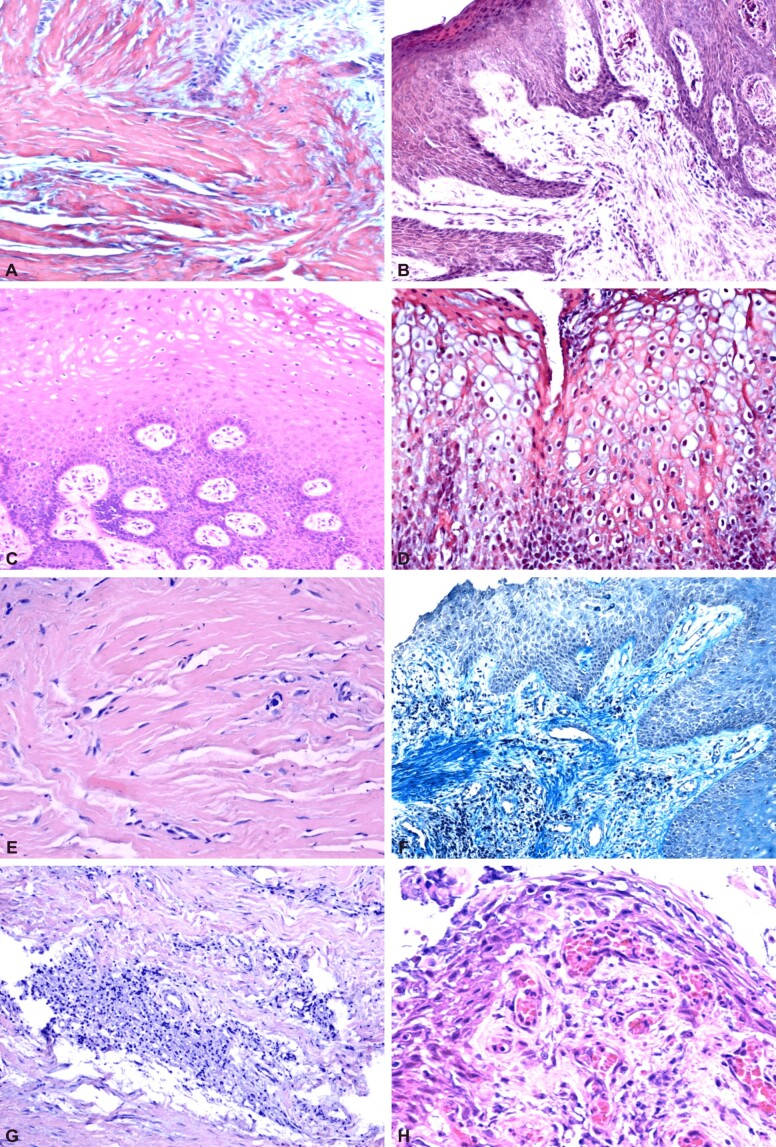
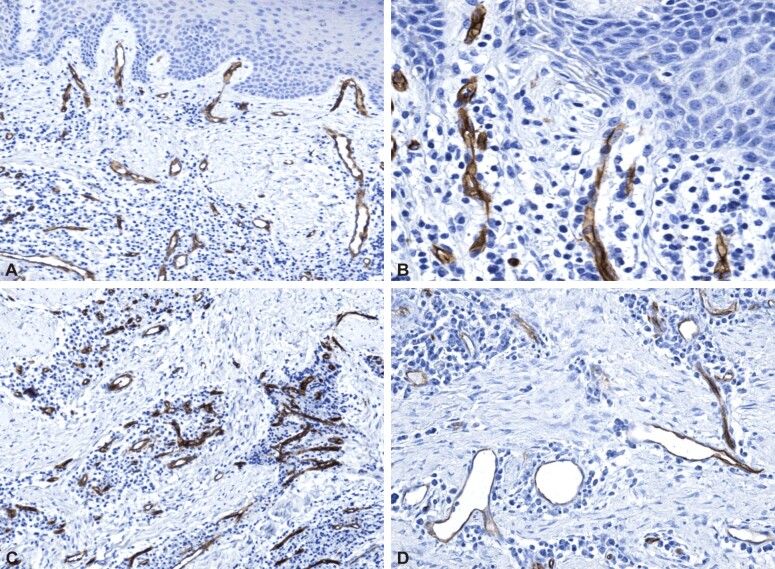
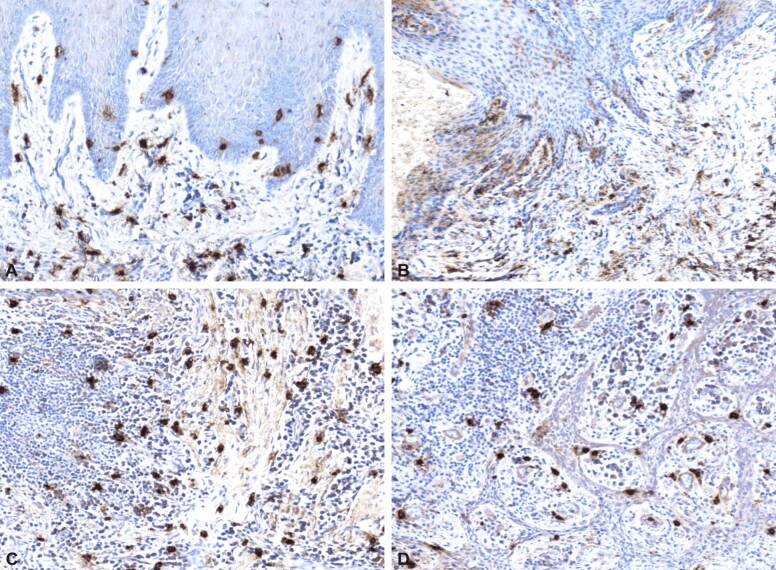
The presence of foreign materials in the tissues, represented in the present study by the insertion of dental implants, creates artificial structures that can sometimes cause adverse consequences, which implies the obligation to perform a complex medical assessment before inserting dental implants. This assessment appreciates the quality of the tissue, depending on which the use of a certain type of biomaterial is indicated and focuses on a certain surgical technique. We assessed the clinical, histopathological (HP) and immunohistochemical (IHC) aspects of peri-implant soft tissue in patients who did not show mobility or imagistic signs of bone resorption, three months after implant insertion, some of them showing no inflammatory clinical signs. Immunohistochemically, on the sections of the peri-implant mucosa, we assessed the presence of mast cells, vascularization and the process of angiogenesis. Mast cells are key cells actively involved in the pathogenesis of peri-implant inflammation, having an immunomodulatory role. Vasodilation and angiogenesis, determined by the release of chemical mediators by degranulation of mast cells under the action of pathogens, induce tissue remodeling, ensuring the healing and formation of a tissue to form a barrier that effectively prevents the development of a bacterial biofilm. Thus, the control of the activity of these cells is important for the management of the local inflammatory process. The correlations between the clinical, HP and IHC behavior of the peri-implant soft tissue bring important information for the clinic, emphasizing the need to identify a therapeutic strategy to modulate mast cell activity, in order to prevent and treat peri-implant disease, to ensure osseointegration and longer survival of the dental implant.
组织中存在异物,本研究中表现为牙种植体的插入,这会产生一些有时会导致不良后果的人工结构,这意味着在插入牙种植体之前必须进行复杂的医学评估。该评估根据组织质量来评估,根据组织质量来指示使用某种类型的生物材料,并侧重于特定的手术技术。我们评估了在种植体插入三个月后,没有显示出移动或影像学骨吸收迹象的患者的种植体周围软组织的临床、组织病理学(HP)和免疫组织化学(IHC)方面,其中一些患者没有表现出炎症的临床迹象。在种植体周围黏膜的切片上,我们通过免疫组织化学评估肥大细胞、血管生成和血管生成过程的存在。肥大细胞是主动参与种植体周围炎症发病机制的关键细胞,具有免疫调节作用。血管舒张和血管生成,通过肥大细胞在病原体作用下脱颗粒释放化学介质来确定,诱导组织重塑,确保愈合和形成组织屏障,有效地防止细菌生物膜的形成。因此,控制这些细胞的活性对于管理局部炎症过程非常重要。种植体周围软组织的临床、HP 和 IHC 行为之间的相关性为临床提供了重要信息,强调需要确定一种治疗策略来调节肥大细胞的活性,以预防和治疗种植体周围疾病,确保骨整合和牙种植体更长的生存时间。