Norwegian Centre for E-health Research, University Hospital of North Norway, Tromsø, Norway.
Department of Pharmacy, Section for Pharmaceutics and Social Pharmacy, University of Oslo, Oslo, Norway.
BMC Geriatr. 2020 Aug 5;20(1):272. doi: 10.1186/s12877-020-01665-x.
Multidose drug dispensing (MDD) is an adherence aid that provides patients with machine-dispensed medicines in disposable unit bags, usually for a 14 day period. Previous studies have suggested that the quality of prescribing, with time, is lower for MDD users, compared to patients receiving prescriptions dispensed as usual. This study aimed to examine the quality of prescribing to Norwegian elderly home care service patients receiving MDD.
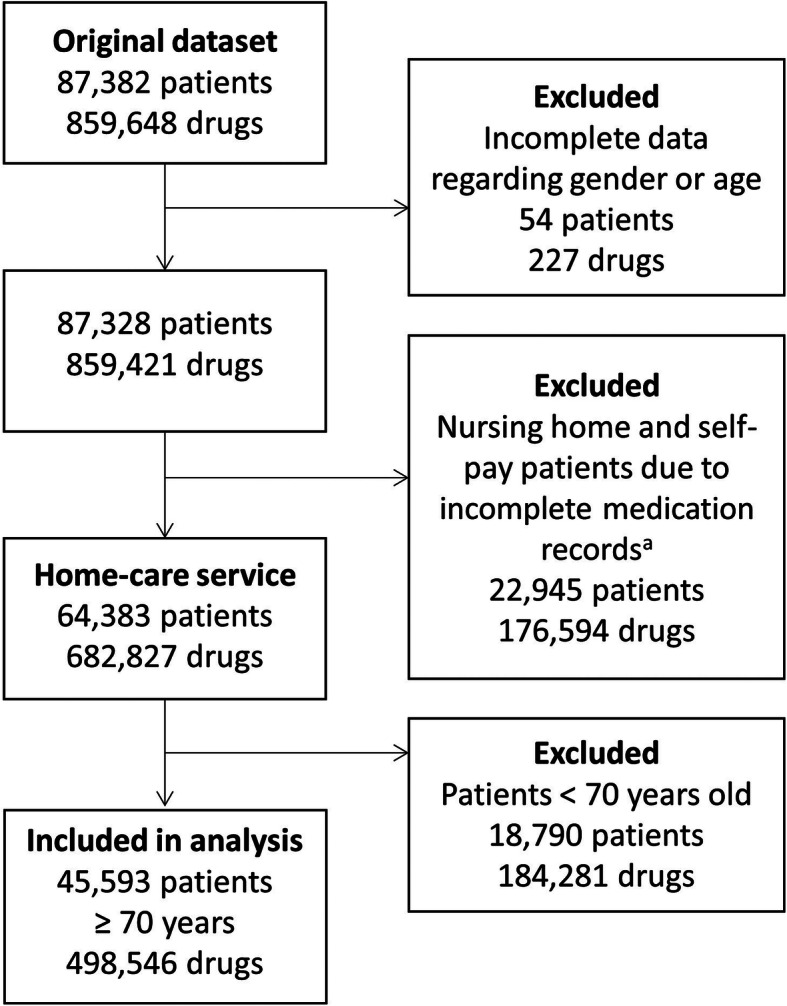
A cross-sectional study comprising 45,593 MDD patients aged ≥70 years was performed. The proportion of potentially inappropriate medications (PIMs) was assessed using the Norwegian General Practice Criteria, and drug-drug interactions (DDI) were investigated using the Norwegian Medicines Agency database.
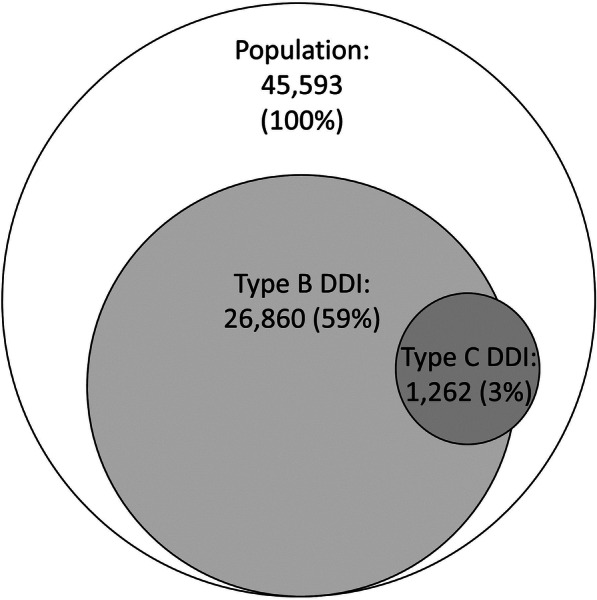
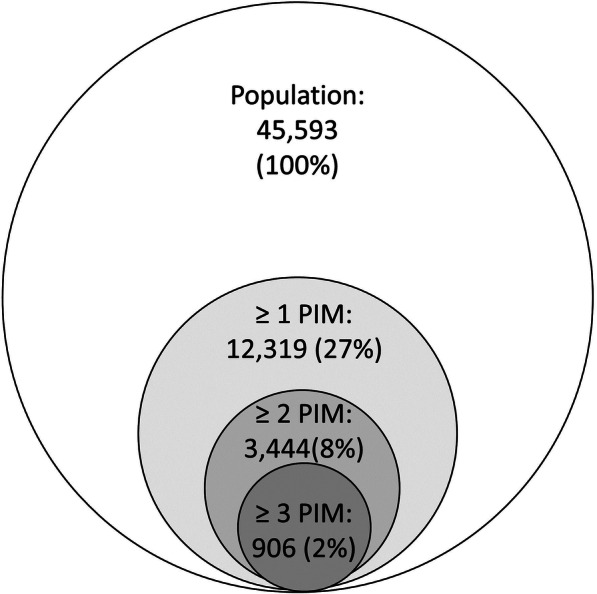
On average, patients were prescribed 10.6 drugs (SD = 5.0), of which 6.1 were dispensed via MDD. Men used on average fewer drugs than women (10.7 vs 11.1), Twenty-seven percent of patients used at least one PIM. Concomitant use of three or more psychotropic drugs (10.8%), and prescribing of diazepam (6.4%) was the most commonly identified inappropriate prescribing. DDIs affected 59% of the patients, however, only 2.7% had serious interactions. Women were more frequently exposed to both PIMs and DDIs than men, with an odds ratio of 1.50 (95% CI: 1.43-1.58) and 1.43 (95% CI: 1.37-1.50), respectively.
Polypharmacy is common in elderly Norwegian patients using MDD. About one-fourth of the patients were exposed to PIMs, and over half were exposed to DDI.
多剂量药物配给(MDD)是一种依从性辅助手段,它为患者提供机器分发的一次性单位袋装药物,通常为 14 天。先前的研究表明,与接受常规处方配药的患者相比,MDD 用户的处方质量随着时间的推移而降低。本研究旨在检查接受 MDD 的挪威老年家庭护理服务患者的处方质量。
进行了一项横断面研究,纳入了 45593 名年龄≥70 岁的 MDD 患者。使用挪威全科医生标准评估潜在不适当药物(PIM)的比例,并使用挪威药品管理局数据库调查药物-药物相互作用(DDI)。
平均而言,患者处方 10.6 种药物(SD=5.0),其中 6.1 种通过 MDD 配药。男性使用的药物平均少于女性(10.7 比 11.1)。27%的患者至少使用一种 PIM。同时使用三种或三种以上精神药物(10.8%)和开处方安定(6.4%)是最常见的不适当处方。DDI 影响了 59%的患者,但只有 2.7%有严重的相互作用。与男性相比,女性更容易接触到 PIM 和 DDI,比值比分别为 1.50(95%CI:1.43-1.58)和 1.43(95%CI:1.37-1.50)。
多药治疗在使用 MDD 的挪威老年患者中很常见。大约四分之一的患者接触到 PIM,超过一半的患者接触到 DDI。