Department of Economics and Business, University of Malaga, Av. de Cervantes, 2, 29016 Málaga, Spain.
Int J Environ Res Public Health. 2020 Aug 5;17(16):5663. doi: 10.3390/ijerph17165663.
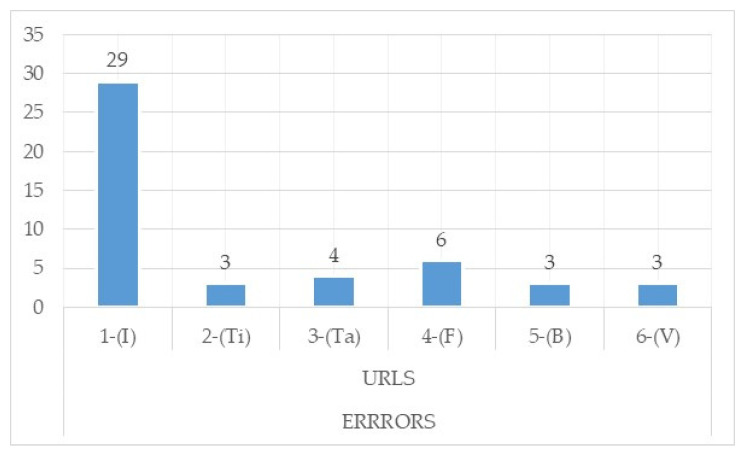
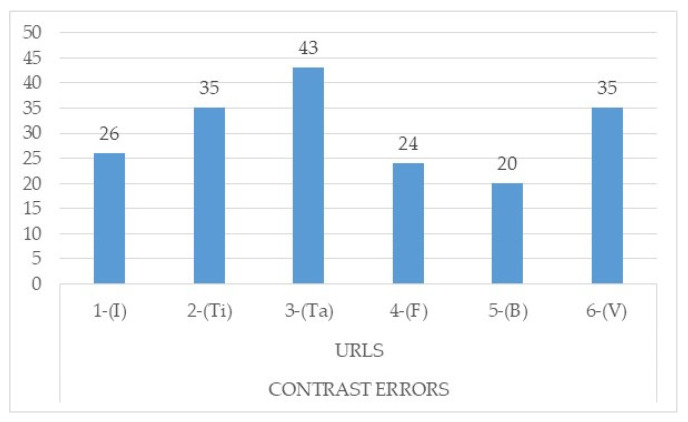
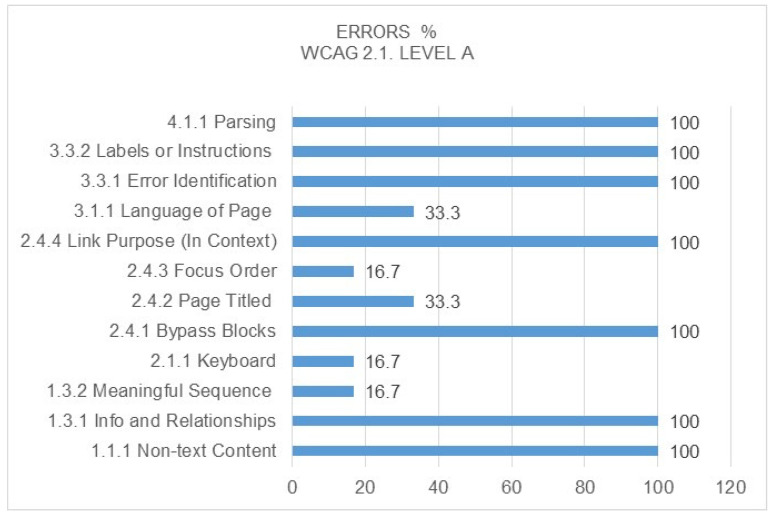
Health crisis situations generate greater attention and dependence on reliable and truthful information from citizens, especially from those organisations that represent authority on the subject, such as the World Health Organization (WHO). In times of global pandemics such as COVID-19, the WHO message "health for all" takes on great communicative importance, especially from the point of view of the prevention of the disease and recommendations for action. Therefore, any communication must be understandable and accessible by all types of people, regardless of their technology, language, culture or disability (physical or mental), according to the World Wide Web Consortium (W3C), taking on special relevance for public health content. This study analysed whether the WHO is accessible in its digital version for all groups of citizens according to the widely accepted standards in the field of the Internet. The conclusion reached was that not all the information is accessible in accordance with the Web Content Accessibility Guidelines 2.1, which implies that there are groups that are, to some extent, left out, especially affecting the elderly. This study can contribute to the development of proposals and suggest ways in which to improve the accessibility of health content to groups especially vulnerable in this pandemic.
健康危机情况会引起公民对可靠和真实信息的更多关注和依赖,特别是对于那些代表该领域权威的组织,如世界卫生组织(WHO)。在 COVID-19 等全球大流行期间,WHO 的“全民健康”信息具有重要的传播意义,尤其是从预防疾病和行动建议的角度来看。因此,根据万维网联盟(W3C)的说法,任何传播都必须让所有类型的人都能够理解和访问,无论他们的技术、语言、文化或残疾(身体或精神)如何,这对于公共卫生内容来说具有特殊的重要性。本研究分析了根据互联网领域广泛接受的标准,WHO 的数字版本是否对所有公民群体都具有可访问性。研究结果表明,并非所有信息都符合 Web 内容可访问性指南 2.1,这意味着存在某些群体在某种程度上被排除在外,特别是老年人。本研究可以为制定建议做出贡献,并提出改善健康内容对大流行中特别脆弱群体的可访问性的方法。