Qiu Peng-Cheng, Lu Yun-Yang, Zhang Shan, Li Hua, Bao Han, Ji Yu-Qiang, Fang Fei, Tang Hai-Feng, Cheng Guang
Institute of Materia Medica, Key Laboratory of Gastrointestinal Pharmacology of Chinese Materia Medica of the State Administration of Traditional Chinese Medicine, School of Pharmacy, Air Force Medical University, 710032, Xi'an, People's Republic of China.
School of Pharmacy, Shaanxi University of Chinese Medicine, 712046, Xianyang, People's Republic of China.
Oncogenesis. 2020 Aug 6;9(8):71. doi: 10.1038/s41389-020-00252-4.
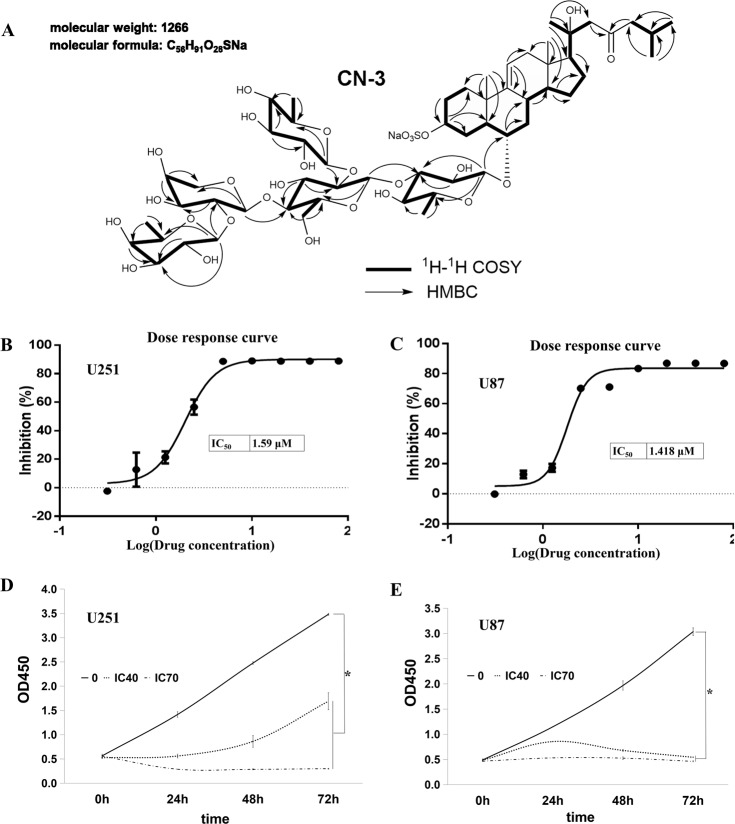
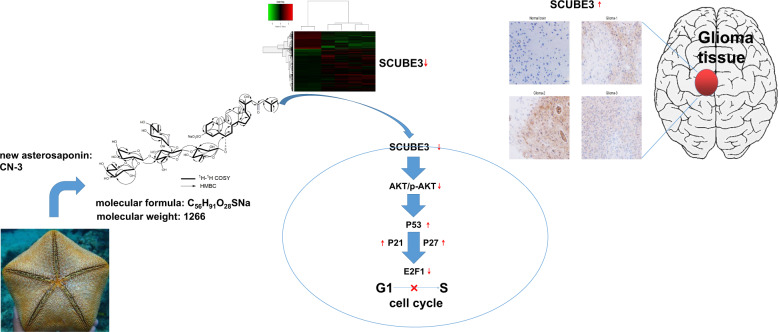
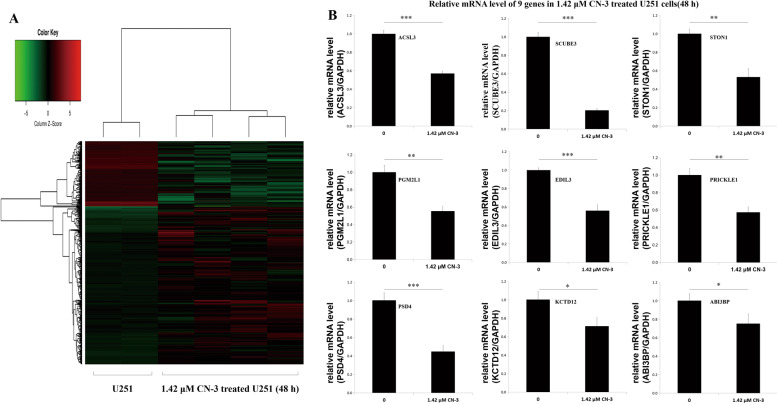
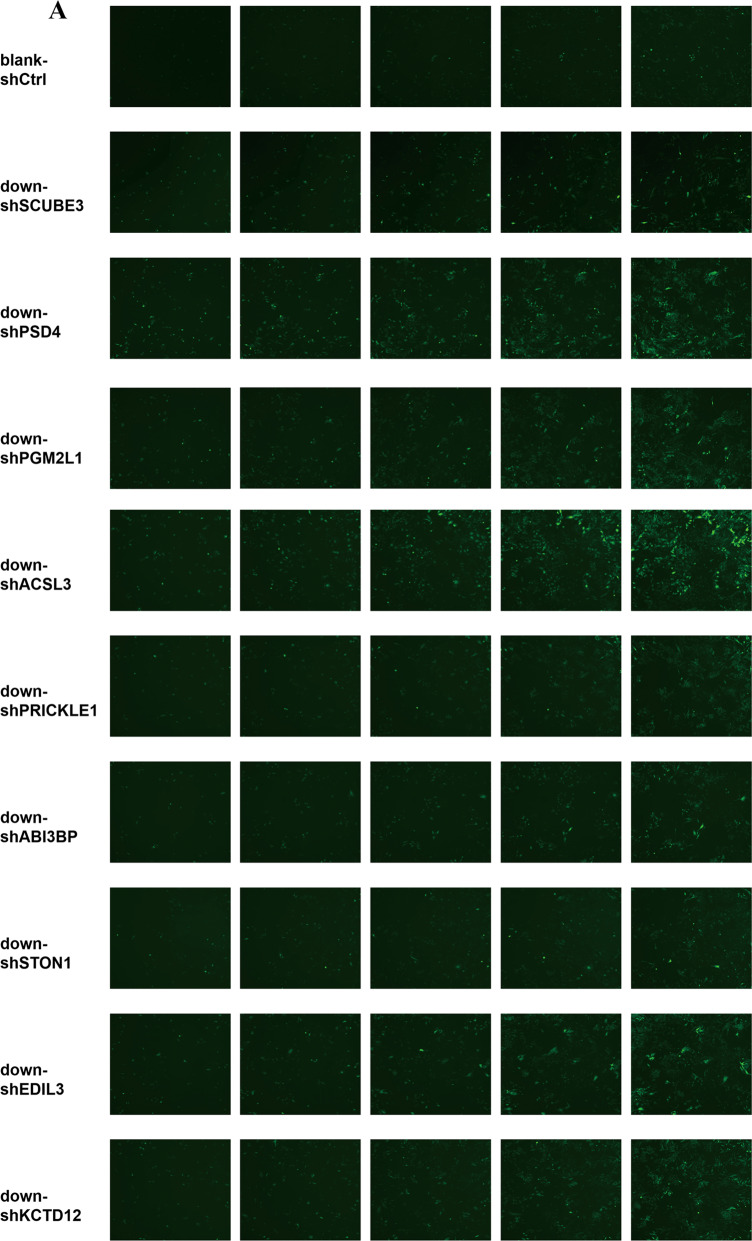
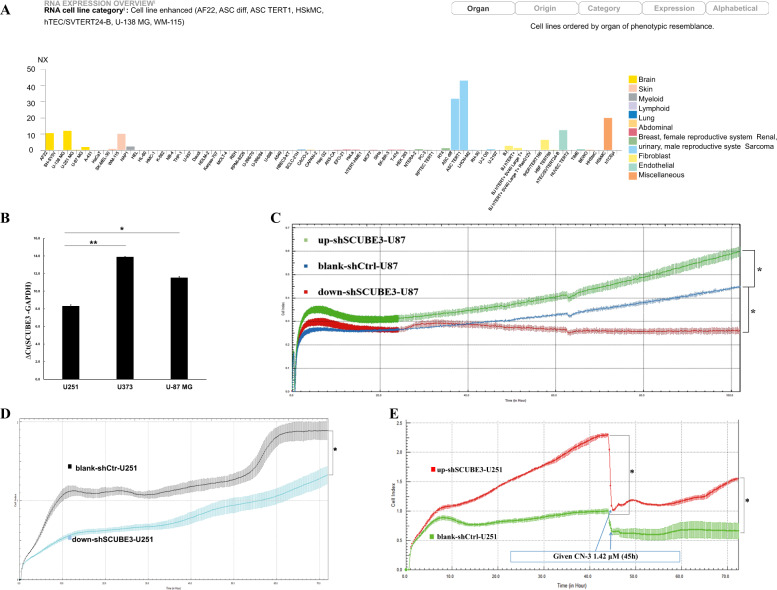
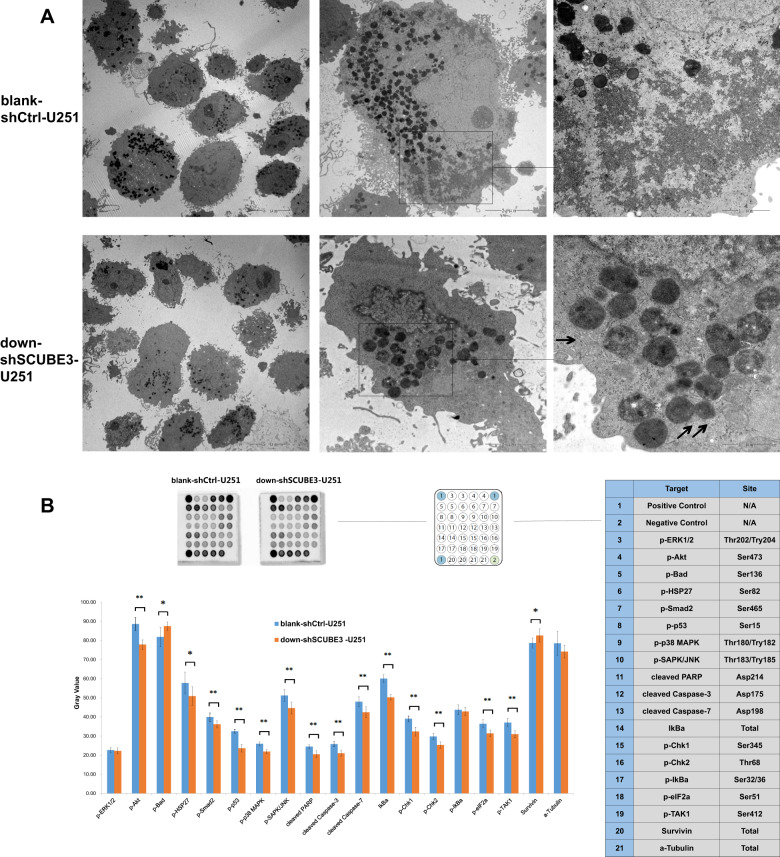
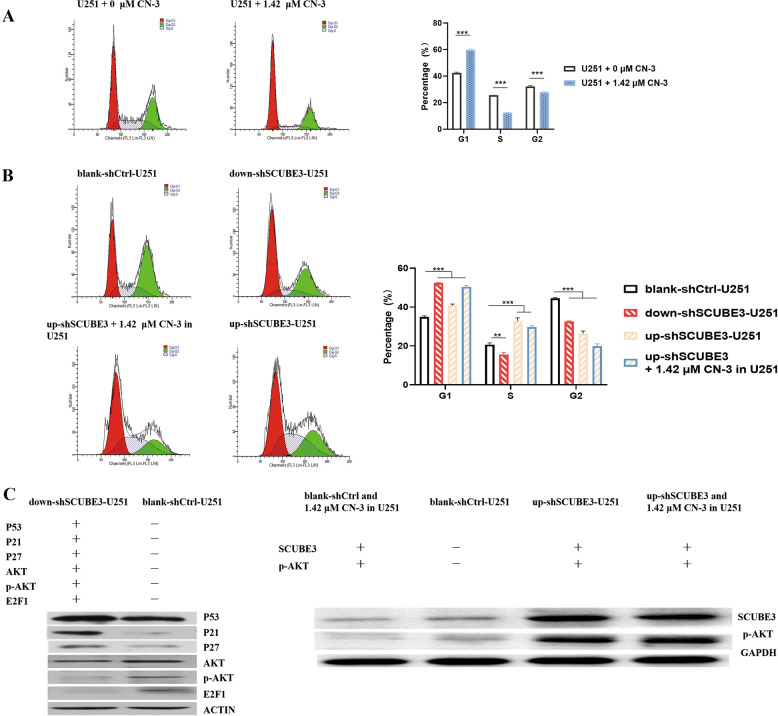
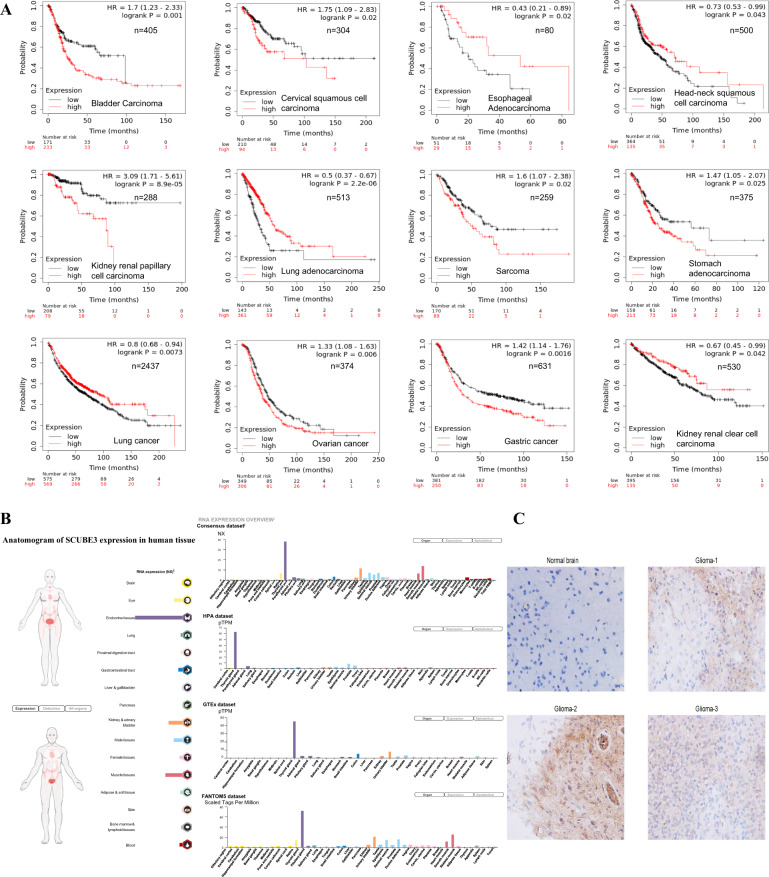
Many saponins are characterized as exhibiting a wide spectrum of antitumor activities at low concentrations. Most of the previous studies that aimed to understand the mechanisms underlying anticancer saponins have focused on numerous classical signaling pathways. However, at the oncogene level, little is known about the action of saponins, especially asterosaponin. In this study, CN-3, a new asterosaponin isolated from the starfish Culcita novaeguineae, decreased the proliferation of U87 and U251 cells at low doses in a dose- and time-dependent manner. Microarray analysis revealed CN-3 significantly induced the differential expression of 661 genes that are related to its antiglioma effect in U251. Nine downregulated genes (SCUBE3, PSD4, PGM2L1, ACSL3, PRICKLE1, ABI3BP, STON1, EDIL3, and KCTD12) were selected, for further verification of their low expression. Then, shRNA transfection and high-content screening were performed and significantly decreased U251 cell proliferation rate was only observed for the SCUBE3 knockdown. qPCR confirmed SCUBE3 was highly expressed in U251 and U87 cells, and had medium expression levels in U373 cells. Real-time cellular analysis using iCELLigence demonstrated that SCUBE3 is an oncogene in U251 and U87 cells, with knockdown of SCUBE3 inhibiting U251 and U87 cell proliferation while, conversely, SCUBE3 overexpression promoted their proliferation. Afterward, SCUBE3 protein was found to have high expression in primary glioma specimens from patients examined by immunohistochemistry but low expression in normal brain. PathScan ELISA analysis in conjunction with TEM observation demonstrated that the effect of SCUBE3 knockdown in U251 does not appear to be related to the induction of apoptosis. Employing CCK-8, iCELLigence, flow cytometry, western blotting, and shRNA transfection (knockdown and overexpression) experiments, we reveal that the reduction of SCUBE3 expression, induced by CN-3, mediated both inhibition and G1/S arrest of U251 via the Akt/p-Akt/p53/p21/p27/E2F1 pathway.
许多皂苷的特点是在低浓度下具有广泛的抗肿瘤活性。以往大多数旨在了解抗癌皂苷作用机制的研究都集中在众多经典信号通路上。然而,在癌基因水平上,人们对皂苷尤其是海星皂苷的作用了解甚少。在本研究中,从新几内亚 Culcita 海星中分离出的一种新的海星皂苷 CN-3,在低剂量下以剂量和时间依赖性方式降低了 U87 和 U251 细胞的增殖。微阵列分析显示,CN-3 在 U251 中显著诱导了 661 个与其抗胶质瘤作用相关的基因的差异表达。选择了 9 个下调基因(SCUBE3、PSD4、PGM2L1、ACSL3、PRICKLE1、ABI3BP、STON1、EDIL3 和 KCTD12),以进一步验证它们的低表达。然后进行了 shRNA 转染和高内涵筛选,仅在敲低 SCUBE3 时观察到 U251 细胞增殖率显著降低。qPCR 证实 SCUBE3 在 U251 和 U87 细胞中高表达,在 U373 细胞中表达水平中等。使用 iCELLigence 进行的实时细胞分析表明,SCUBE3 在 U251 和 U87 细胞中是一种癌基因,敲低 SCUBE3 可抑制 U251 和 U87 细胞增殖,相反,SCUBE3 过表达则促进它们的增殖。之后,通过免疫组织化学检查发现 SCUBE3 蛋白在患者的原发性胶质瘤标本中高表达,但在正常脑组织中低表达。PathScan ELISA 分析结合 TEM 观察表明,敲低 U251 中的 SCUBE3 的作用似乎与诱导细胞凋亡无关。通过 CCK-8、iCELLigence、流式细胞术、蛋白质印迹和 shRNA 转染(敲低和过表达)实验,我们揭示了 CN-3 诱导的 SCUBE3 表达降低通过 Akt/p-Akt/p53/p21/p27/E2F1 途径介导了 U251 的抑制和 G1/S 期阻滞。