Program in Global Surgery and Social Change, Department of Global Health and Social Medicine, Harvard Medical School, Boston, MA, USA.
Department of Plastic and Oral Surgery, Boston Children's Hospital, Boston, MA, USA.
BMC Health Serv Res. 2020 Aug 8;20(1):725. doi: 10.1186/s12913-020-05559-x.
An effective referral system is essential for a high-quality health system that provides safe surgical care while optimizing patient outcomes and ensuring efficiency. The role of referral systems in countries with under-resourced health systems is poorly understood. The aim of this study was to examine the rates, preventability, reasons and patterns of outward referrals of surgical patients across three levels of the healthcare system in Northern Tanzania.
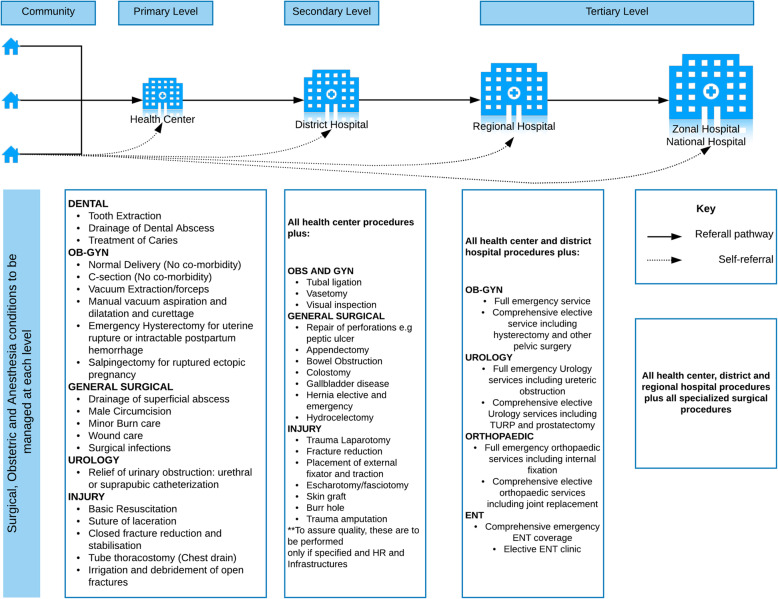
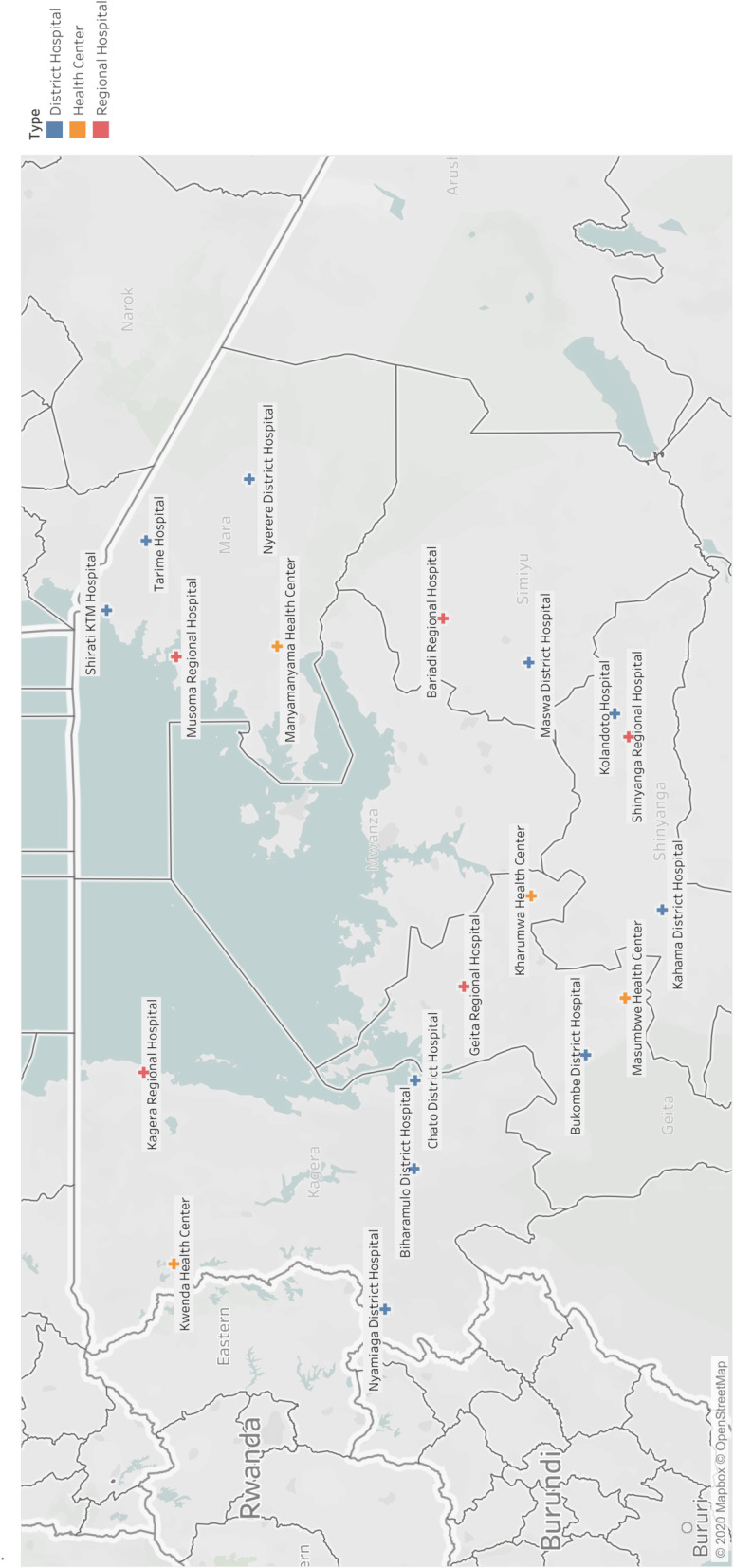
Referrals from surgical and obstetric wards were assessed at 20 health facilities in five rural regions prospectively over 3 months. Trained physician data collectors used data collection forms to capture referral details daily from hospital referral letters and through discussions with clinicians and nurses. Referrals were deemed preventable if the presenting condition was one that should be managed at the referring facility level per the national surgical, obstetric and anaesthesia plan but was referred.
Seven hundred forty-three total outward referrals were recorded during the study period. The referral rate was highest at regional hospitals (2.9%), followed by district hospitals (1.9%) and health centers (1.5%). About 35% of all referrals were preventable, with the highest rate from regional hospitals (70%). The most common reasons for referrals were staff-related (76%), followed by equipment (55%) and drugs or supplies (21%). Patient preference accounted for 1% of referrals. Three quarters of referrals (77%) were to the zonal hospital, followed by the regional hospitals (17%) and district hospitals (12%). The most common reason for referral to zonal (84%) and regional level (66%) hospitals was need for specialist care while the most common reason for referral to district level hospitals was non-functional imaging diagnostic equipment (28%).
Improving the referral system in Tanzania, in order to improve quality and efficiency of patient care, will require significant investments in human resources and equipment to meet the recommended standards at each level of care. Specifically, improving access to specialists at regional referral and district hospitals is likely to reduce the number of preventable referrals to higher level hospitals, thereby reducing overcrowding at higher-level hospitals and improving the efficiency of the health system.
高效的转诊系统对于提供安全手术护理、优化患者结局和确保效率的高质量卫生系统至关重要。资源匮乏的卫生系统国家的转诊系统的作用还了解甚少。本研究旨在检查坦桑尼亚北部三个级别的医疗保健系统中转出外科患者的比例、可预防程度、原因和模式。
在五个农村地区的 20 家卫生机构前瞻性地对 3 个月内的外科和产科病房的转诊进行评估。经过培训的医师数据收集员每天使用数据收集表从医院转诊信和与临床医生和护士的讨论中收集转诊详情。如果转诊的条件是根据国家外科、产科和麻醉计划应在转诊医疗机构级别管理的,但转诊了,则认为转诊是可预防的。
在研究期间共记录了 743 例向外转诊。转诊率在区域医院最高(2.9%),其次是地区医院(1.9%)和保健中心(1.5%)。所有转诊中有约 35%是可预防的,其中区域医院的转诊率最高(70%)。转诊的最常见原因是人员相关(76%),其次是设备(55%)和药物或用品(21%)。患者偏好占转诊的 1%。四分之三的转诊(77%)是到区医院,其次是区域医院(17%)和地区医院(12%)。转诊到区医院(84%)和区域医院(66%)最常见的原因是需要专科护理,而转诊到地区医院最常见的原因是影像学诊断设备无法正常运行(28%)。
为了提高患者护理的质量和效率,坦桑尼亚需要在人力资源和设备方面进行大量投资,以达到每个护理级别的推荐标准。具体来说,改善区域转诊和地区医院的专科医生获取途径可能会减少可预防的向更高一级医院的转诊数量,从而减少更高一级医院的拥堵,并提高卫生系统的效率。