Li Zhichao, Qian Youhui, Li Wujiao, Liu Lisa, Yu Lei, Liu Xia, Wu Guodong, Wang Youyu, Luo Weibin, Fang Fuyuan, Liu Yuchen, Song Fei, Cai Zhiming, Chen Wei, Huang Weiren
Shenzhen Second People's Hospital, The First Affiliated Hospital of Shenzhen University, Shenzhen, Guangdong 518035, China; International Cancer Center, Shenzhen University School of Medicine, Shenzhen, Guangdong 518060, China; Guangdong Key Laboratory of Systems Biology and Synthetic Biology for Urogenital Tumors, Shenzhen, Guangdong 518035, China.
Shenzhen Second People's Hospital, The First Affiliated Hospital of Shenzhen University, Shenzhen, Guangdong 518035, China.
iScience. 2020 Aug 21;23(8):101411. doi: 10.1016/j.isci.2020.101411. Epub 2020 Jul 25.
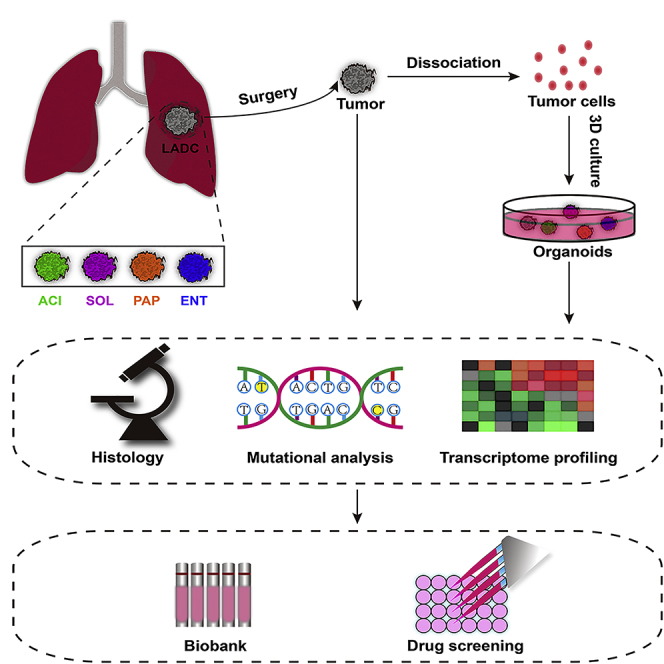
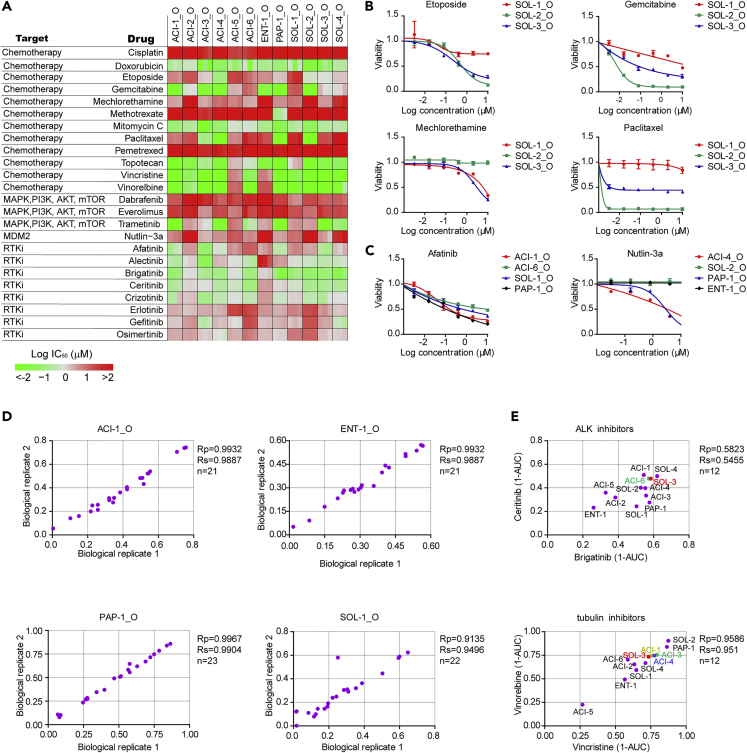
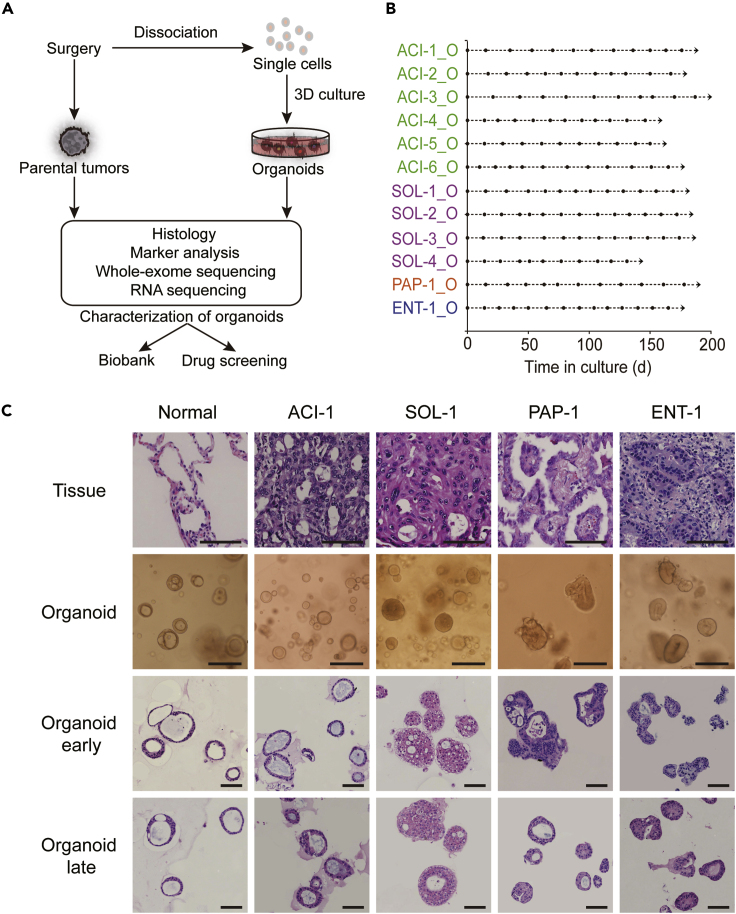
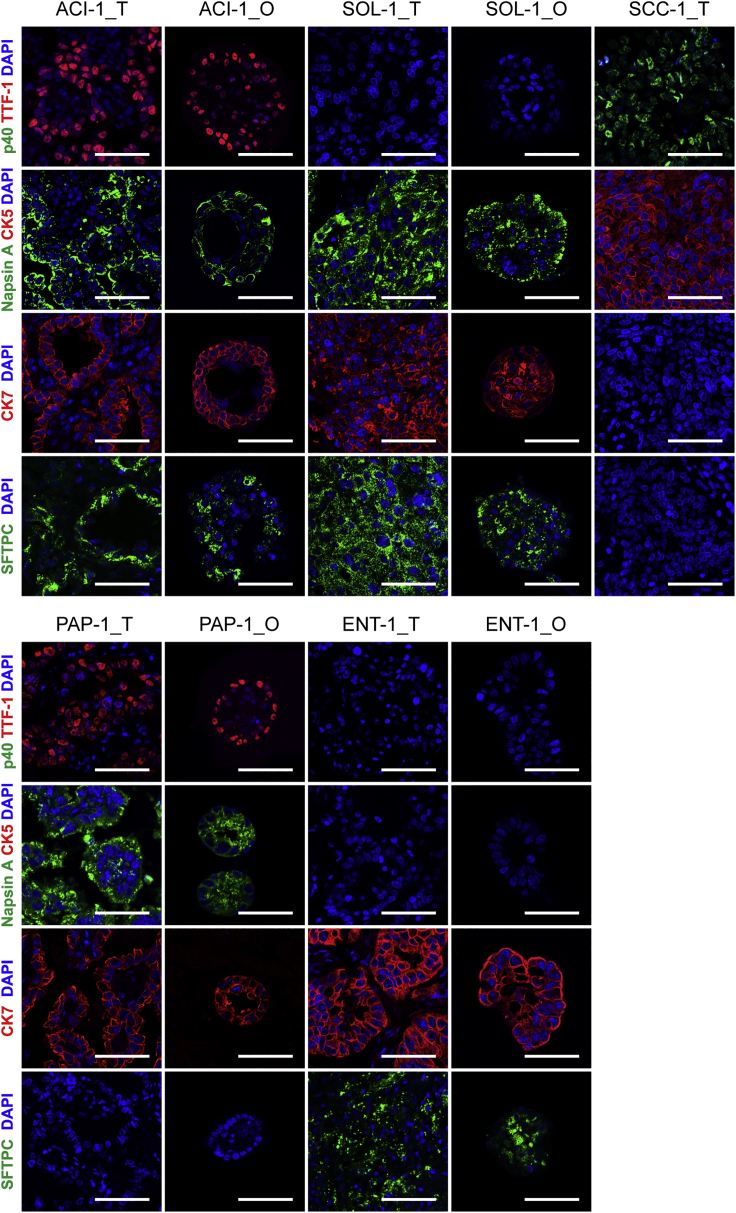
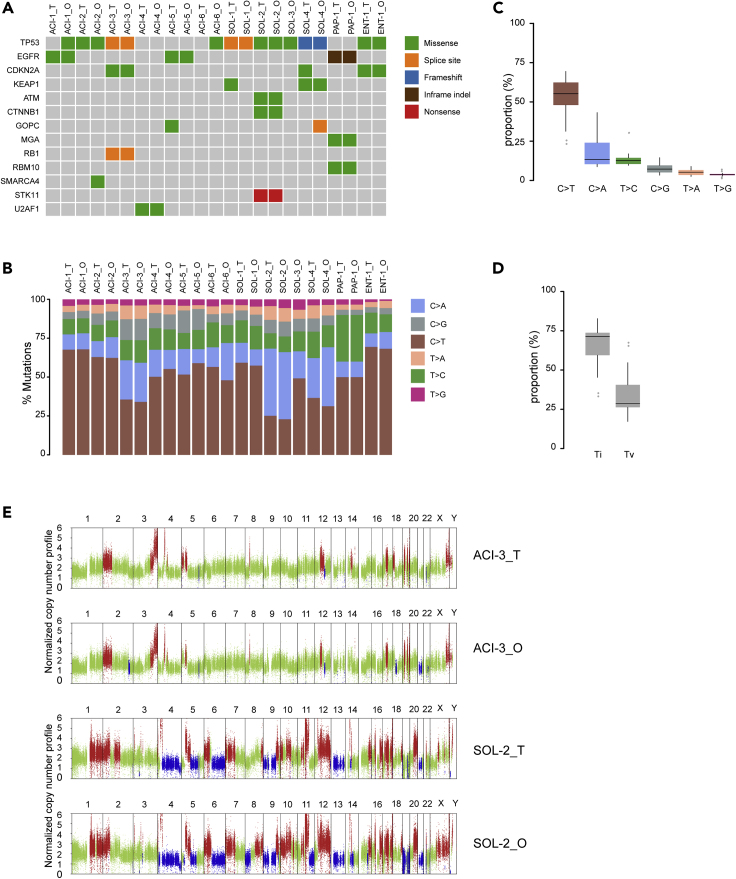
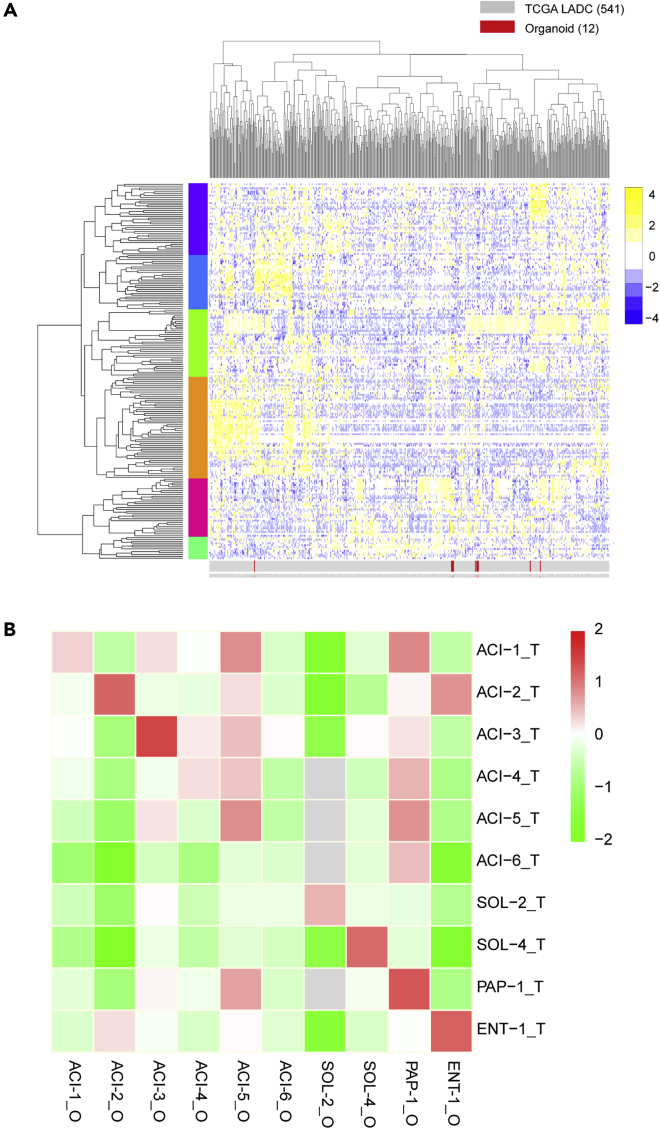
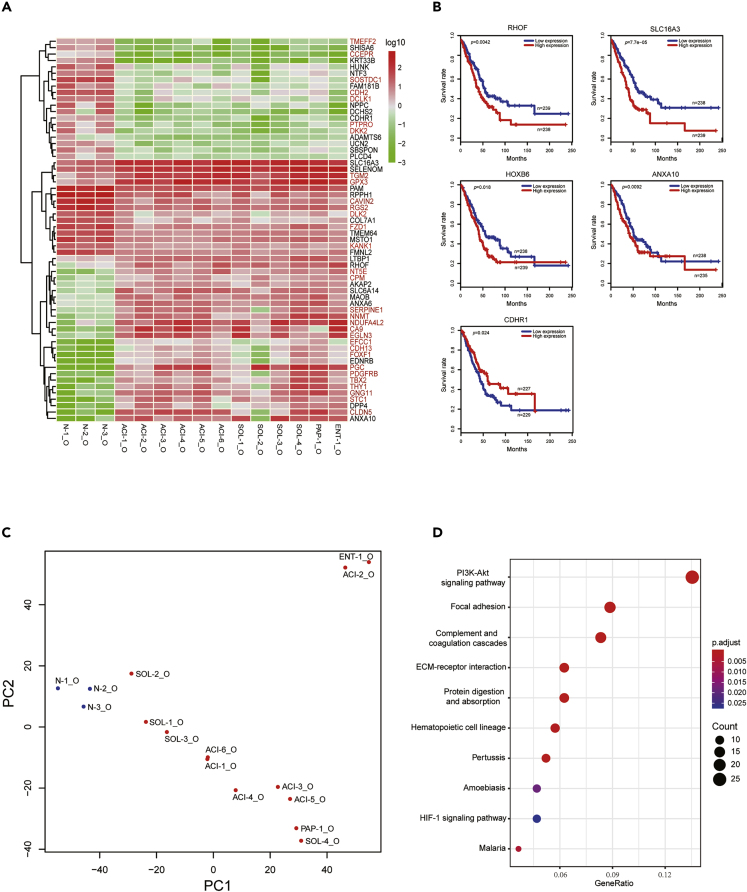
Lung cancer is an extremely heterogeneous disease, and its treatment remains one of the most challenging tasks in medicine. Few existing laboratory lung cancer models can faithfully recapitulate the diversity of the disease and predict therapy response. Here, we establish 12 patient-derived organoids from the most common lung cancer subtype, lung adenocarcinoma (LADC). Extensive gene and histopathology profiling show that the tumor organoids retain the histological architectures, genomic landscapes, and gene expression profiles of their parental tumors. Patient-derived lung cancer organoids are amenable for biomarker identification and high-throughput drug screening in vitro. This study should enable the generation of patient-derived lung cancer organoid lines, which can be used to further the understanding of lung cancer pathophysiology and to assess drug response in personalized medicine.
肺癌是一种极其异质性的疾病,其治疗仍然是医学中最具挑战性的任务之一。现有的肺癌实验室模型很少能如实地概括该疾病的多样性并预测治疗反应。在此,我们从最常见的肺癌亚型肺腺癌(LADC)中建立了12个患者来源的类器官。广泛的基因和组织病理学分析表明,肿瘤类器官保留了其亲本肿瘤的组织学结构、基因组图谱和基因表达谱。患者来源的肺癌类器官适用于体外生物标志物鉴定和高通量药物筛选。这项研究应能生成患者来源的肺癌类器官系,可用于进一步了解肺癌病理生理学并评估个性化医疗中的药物反应。