Center for Tumor Diagnosis and Therapy, Jinshan Hospital, Fudan University, Shanghai 201508, China.
Department of Liver Surgery and Transplantation, Liver Cancer Institute, Zhongshan Hospital, Key Laboratory of Carcinogenesis and Cancer Invasion of Ministry of Education, Fudan University, Shanghai 200032, China.
Sci Transl Med. 2023 Jul 26;15(706):eadg3358. doi: 10.1126/scitranslmed.adg3358.
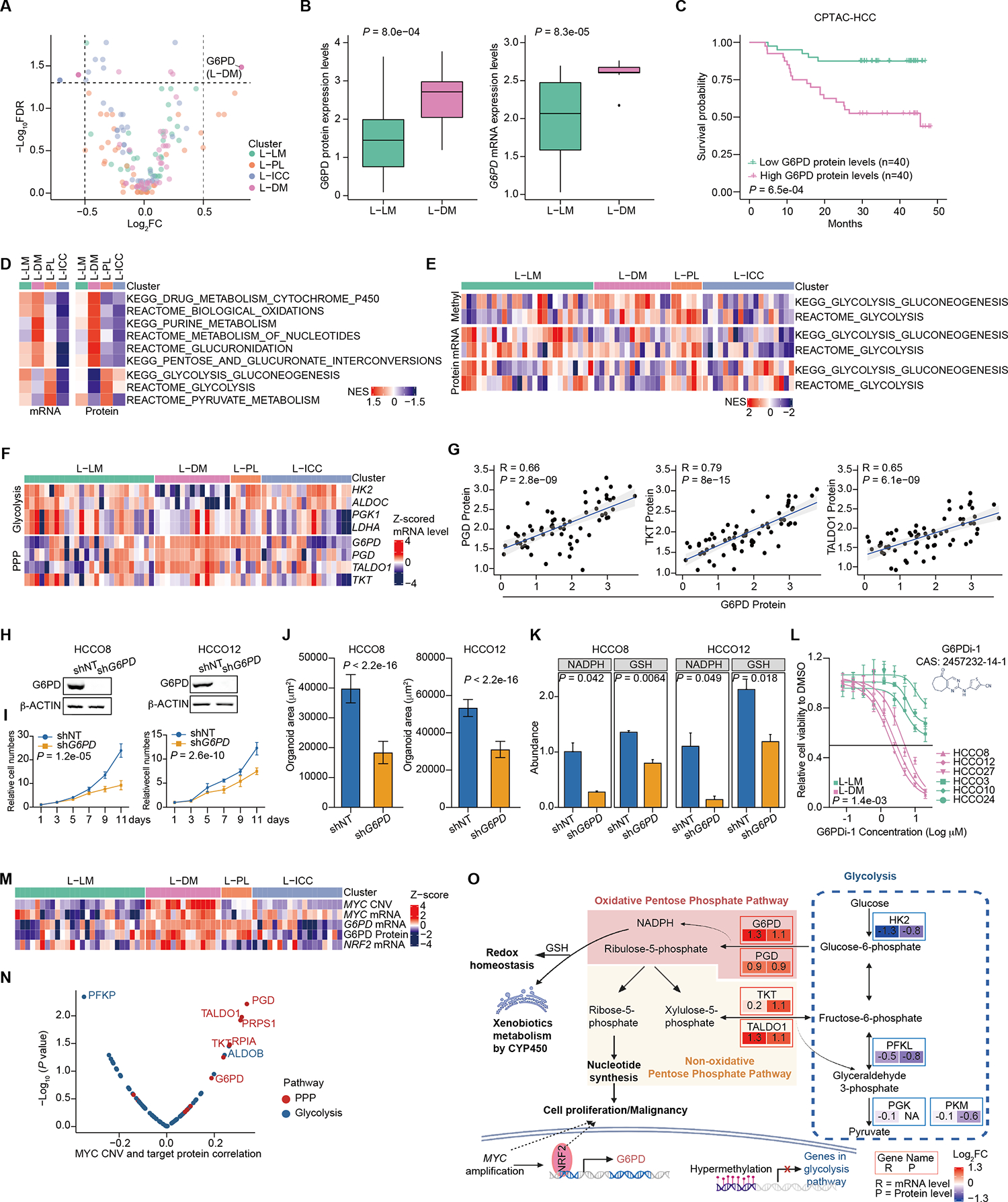
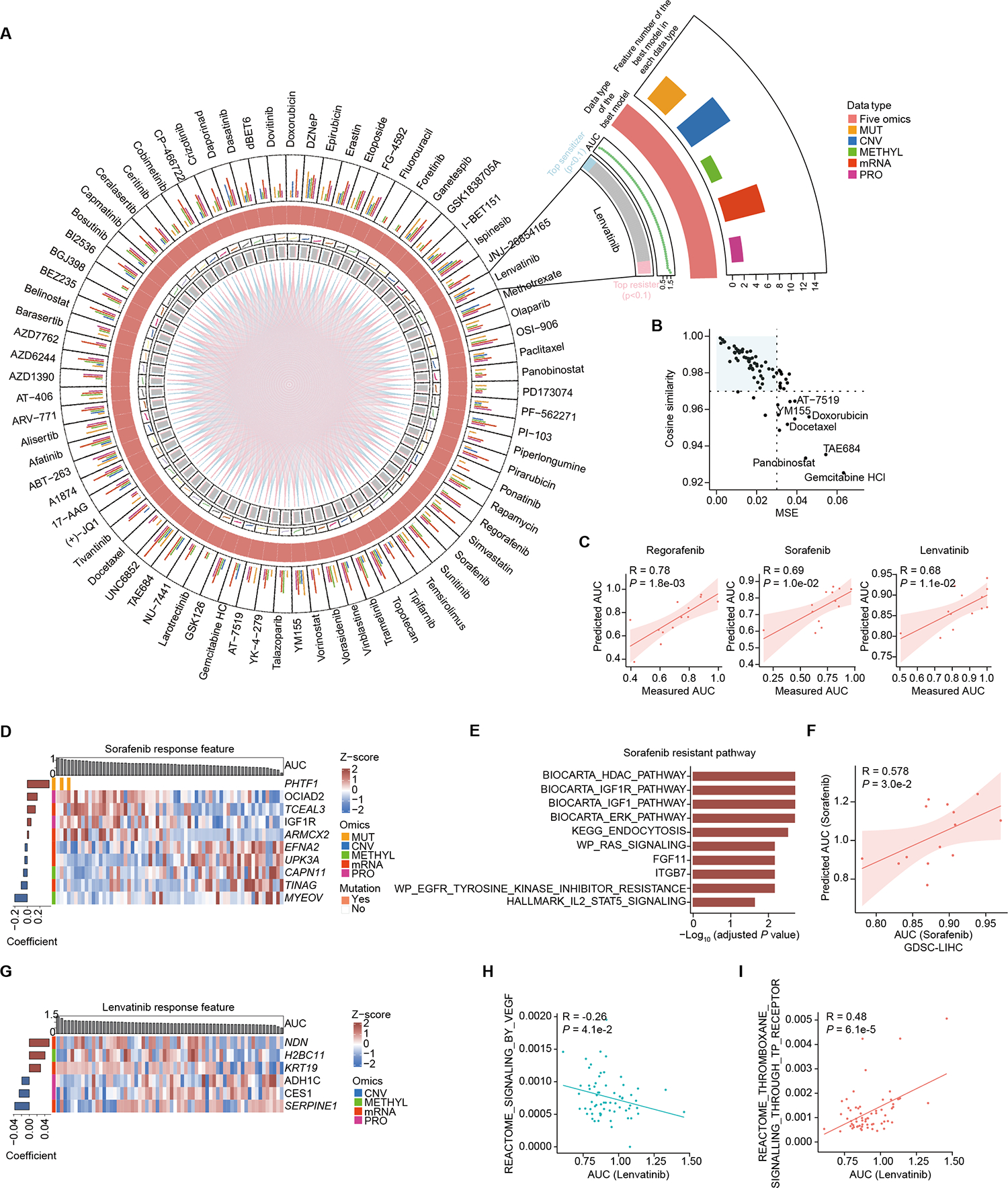
Organoid models have the potential to recapitulate the biological and pharmacotypic features of parental tumors. Nevertheless, integrative pharmaco-proteogenomics analysis for drug response features and biomarker investigation for precision therapy of patients with liver cancer are still lacking. We established a patient-derived liver cancer organoid biobank (LICOB) that comprehensively represents the histological and molecular characteristics of various liver cancer types as determined by multiomics profiling, including genomic, epigenomic, transcriptomic, and proteomic analysis. Proteogenomic profiling of LICOB identified proliferative and metabolic organoid subtypes linked to patient prognosis. High-throughput drug screening revealed distinct response patterns of each subtype that were associated with specific multiomics signatures. Through integrative analyses of LICOB pharmaco-proteogenomics data, we identified the molecular features associated with drug responses and predicted potential drug combinations for personalized patient treatment. The synergistic inhibition effect of mTOR inhibitor temsirolimus and the multitargeted tyrosine kinase inhibitor lenvatinib was validated in organoids and patient-derived xenografts models. We also provide a user-friendly web portal to help serve the biomedical research community. Our study is a rich resource for investigation of liver cancer biology and pharmacological dependencies and may help enable functional precision medicine.
类器官模型有可能重现亲本肿瘤的生物学和药理表型特征。然而,用于药物反应特征的综合药物基因组学分析以及用于肝癌患者精准治疗的生物标志物研究仍然缺乏。我们建立了一个患者衍生的肝癌类器官生物库(LICOB),该生物库通过多组学分析全面代表了各种肝癌类型的组织学和分子特征,包括基因组、表观基因组、转录组和蛋白质组分析。LICOB 的蛋白质基因组学分析确定了与患者预后相关的增殖和代谢类器官亚型。高通量药物筛选揭示了每个亚型的独特反应模式,这些模式与特定的多组学特征相关。通过对 LICOB 药物基因组学数据的综合分析,我们确定了与药物反应相关的分子特征,并预测了潜在的药物组合,以进行个性化的患者治疗。雷帕霉素(mTOR 抑制剂)和仑伐替尼(多靶点酪氨酸激酶抑制剂)的协同抑制作用在类器官和患者来源的异种移植模型中得到了验证。我们还提供了一个用户友好的网络门户,以帮助服务于生物医学研究社区。我们的研究为肝癌生物学和药物依赖性的研究提供了丰富的资源,并可能有助于实现功能精准医学。