Oszvald Ádám, Szvicsek Zsuzsanna, Pápai Márton, Kelemen Andrea, Varga Zoltán, Tölgyes Tamás, Dede Kristóf, Bursics Attila, Buzás Edit I, Wiener Zoltán
Department of Genetics, Cell and Immunobiology, Semmelweis University, Budapest, Hungary.
Research Centre for Natural Sciences, Budapest, Hungary.
Front Cell Dev Biol. 2020 Jul 7;8:558. doi: 10.3389/fcell.2020.00558. eCollection 2020.
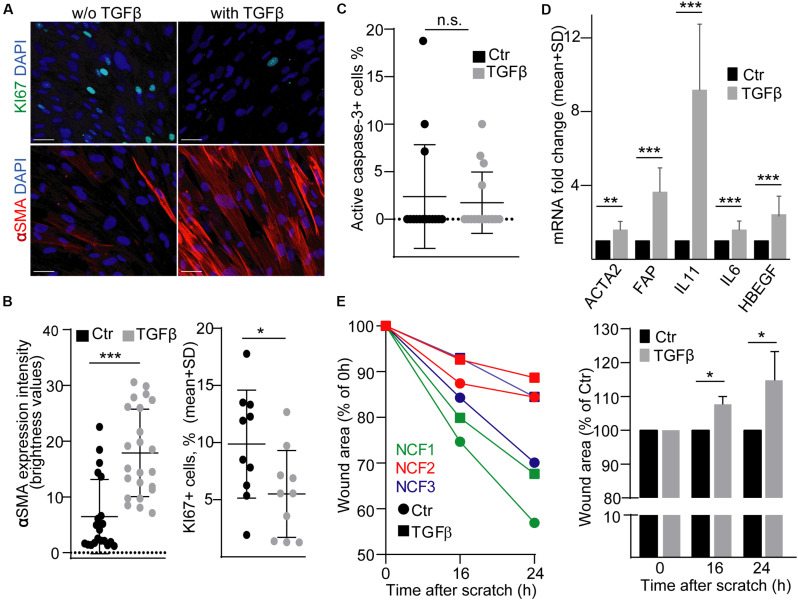
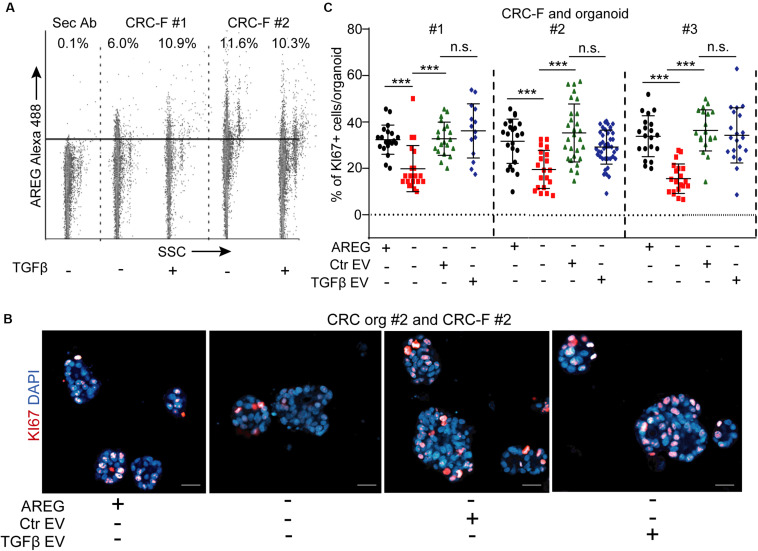
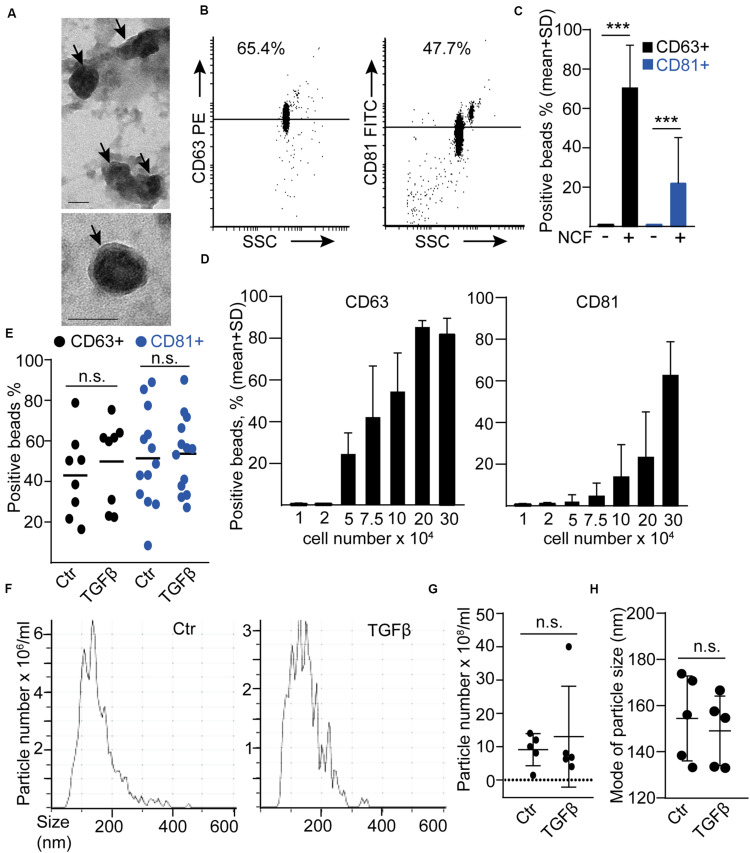
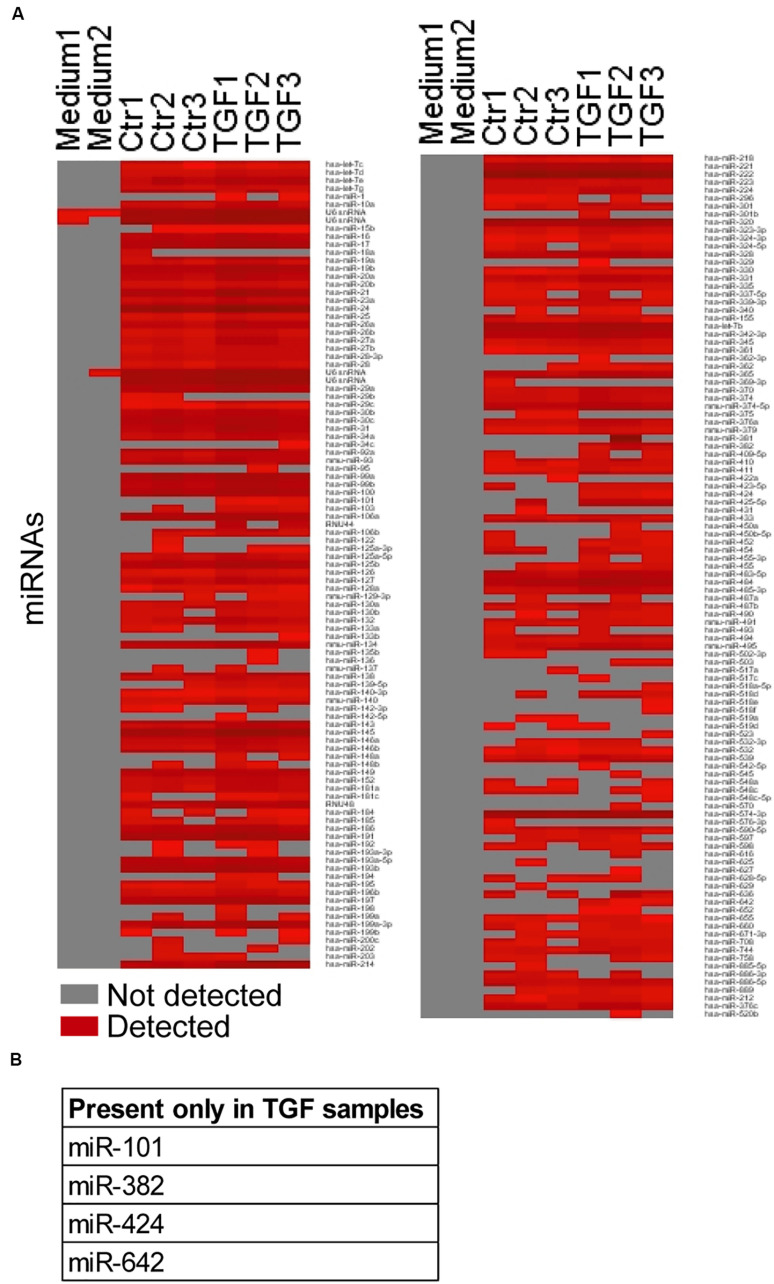
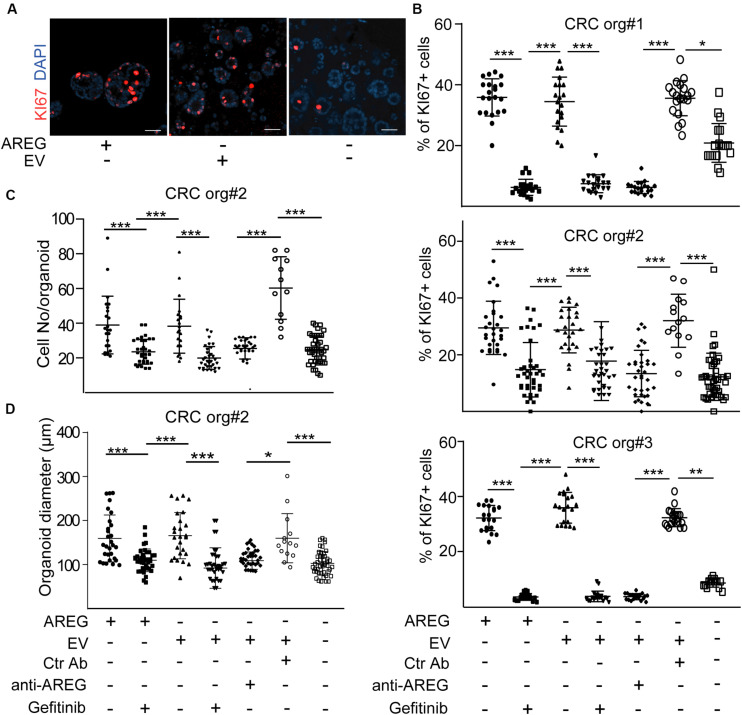
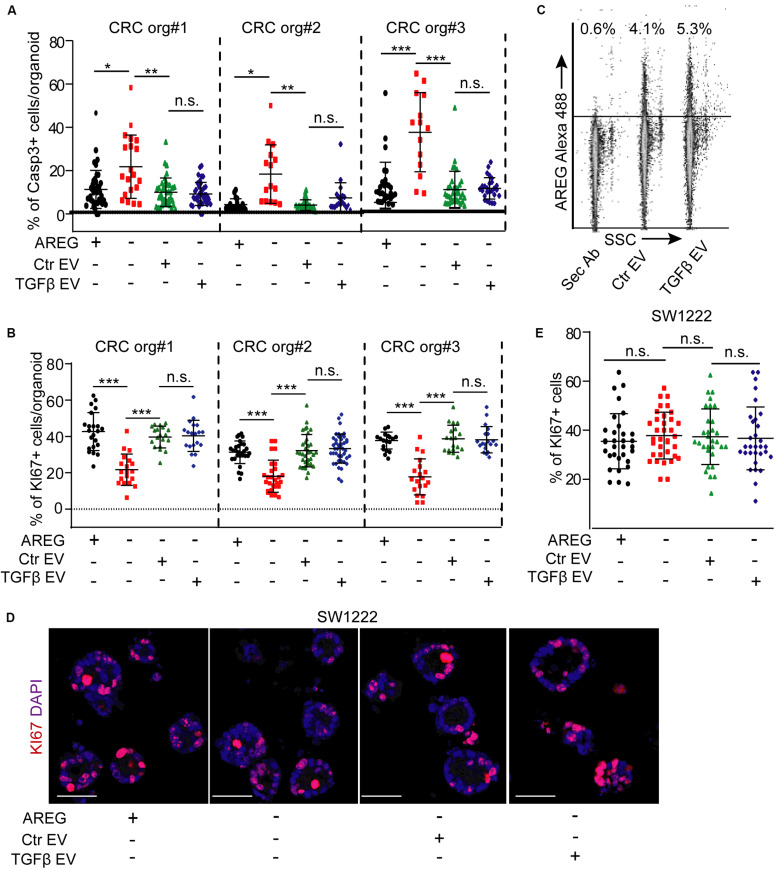
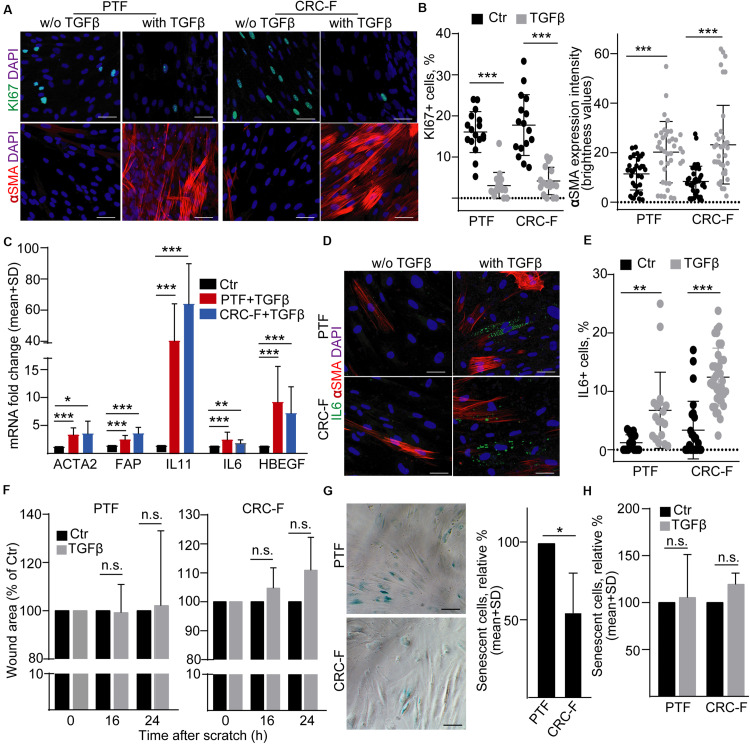
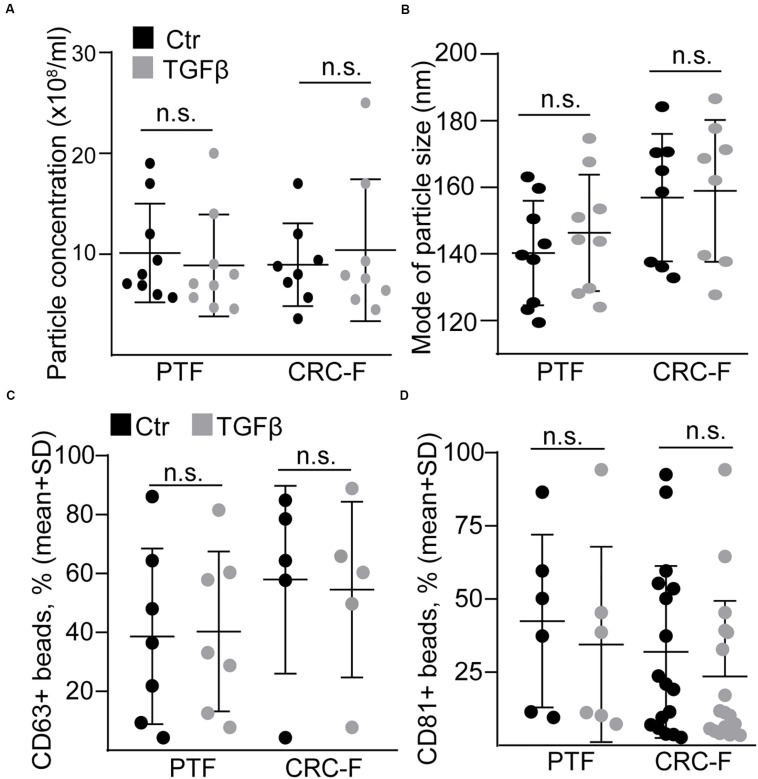
Extracellular vesicles (EV), structures surrounded by a biological membrane, transport biologically active molecules, and represent a recently identified way of intercellular communication. Colorectal cancer (CRC), one of the most common cancer types in the Western countries, is composed of both tumor and stromal cells and the amount of stromal fibroblasts negatively correlates with patient survival. Here we show that normal colon fibroblasts (NCF) release EVs with a characteristic miRNA cargo profile when stimulated with TGFβ, one of the most important activating factors of fibroblasts, without a significant increase in the amount of secreted EVs. Importantly, fibroblast-derived EVs induce cell proliferation in epidermal growth factor (EGF)-dependent patient-derived organoids, one of the best current systems to model the intra-tumoral heterogeneity of human cancers. In contrast, fibroblast-derived EVs have no effect in 3D models where EGF is dispensible. This EV-induced cell proliferation did not depend on whether NCFs or cancer-associated fibroblasts were studied or on the pre-activation by TGFβ, suggesting that TGFβ-induced sorting of specific miRNAs into EVs does not play a major role in enhancing CRC proliferation. Mechanistically, we provide evidence that amphiregulin, transported by EVs, is a major factor in inducing CRC cell proliferation. We found that neutralization of EV-bound amphiregulin blocked the effects of the fibroblast-derived EVs. Collectively, our data suggest a novel mechanism for fibroblast-induced CRC cell proliferation, coupled to EV-associated amphiregulin.
细胞外囊泡(EV)是一种被生物膜包裹的结构,可运输生物活性分子,代表了一种最近才被发现的细胞间通讯方式。结直肠癌(CRC)是西方国家最常见的癌症类型之一,由肿瘤细胞和基质细胞组成,基质成纤维细胞的数量与患者生存率呈负相关。在这里,我们发现,当受到成纤维细胞最重要的激活因子之一转化生长因子β(TGFβ)刺激时,正常结肠成纤维细胞(NCF)会释放出具有特征性微小RNA(miRNA)货物谱的细胞外囊泡,而分泌的细胞外囊泡数量没有显著增加。重要的是,成纤维细胞衍生的细胞外囊泡可在依赖表皮生长因子(EGF)的患者来源类器官中诱导细胞增殖,这是目前模拟人类癌症肿瘤内异质性的最佳系统之一。相比之下,成纤维细胞衍生的细胞外囊泡在不依赖EGF的三维模型中没有作用。这种细胞外囊泡诱导的细胞增殖并不取决于所研究的是正常结肠成纤维细胞还是癌症相关成纤维细胞,也不取决于是否经过TGFβ的预激活,这表明TGFβ诱导的特定miRNA分选到细胞外囊泡中在增强结直肠癌增殖方面并不起主要作用。从机制上讲,我们提供的证据表明,细胞外囊泡运输的双调蛋白是诱导结直肠癌细胞增殖的主要因素。我们发现,中和与细胞外囊泡结合的双调蛋白可阻断成纤维细胞衍生的细胞外囊泡的作用。总的来说,我们的数据表明了一种成纤维细胞诱导结直肠癌细胞增殖的新机制,该机制与细胞外囊泡相关的双调蛋白有关。