Department of Biology, Northeastern University, Boston, MA, United States.
PLoS Genet. 2020 Aug 10;16(8):e1008644. doi: 10.1371/journal.pgen.1008644. eCollection 2020 Aug.
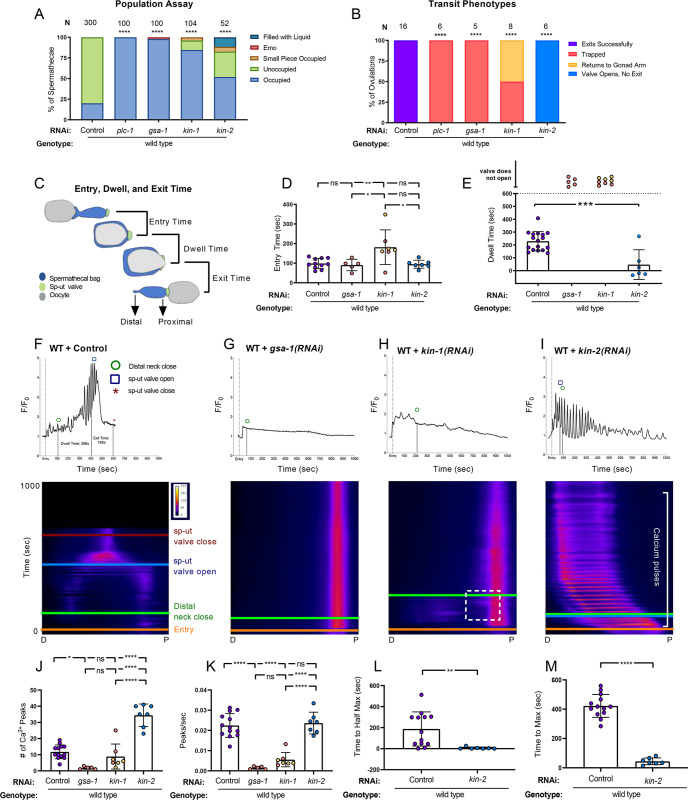
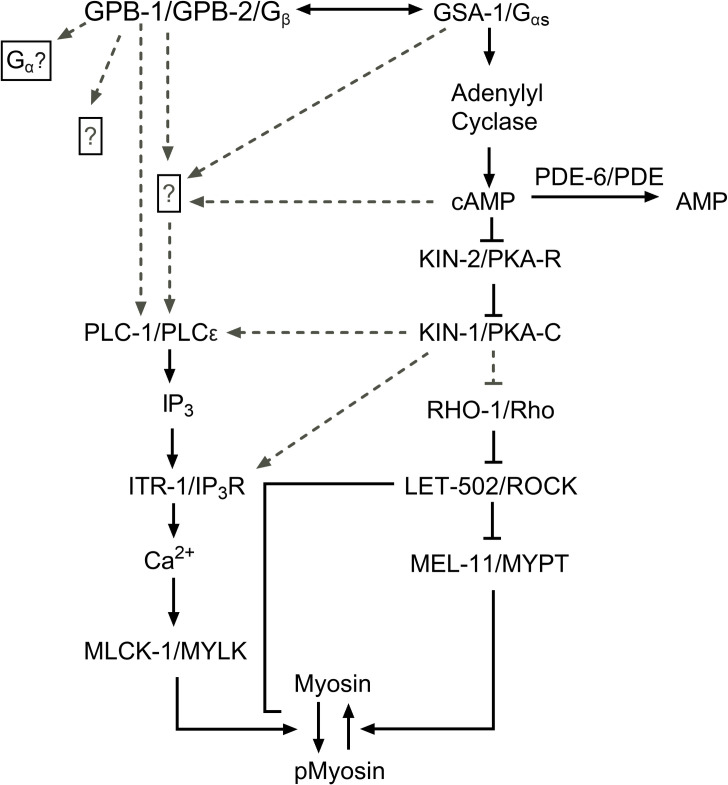
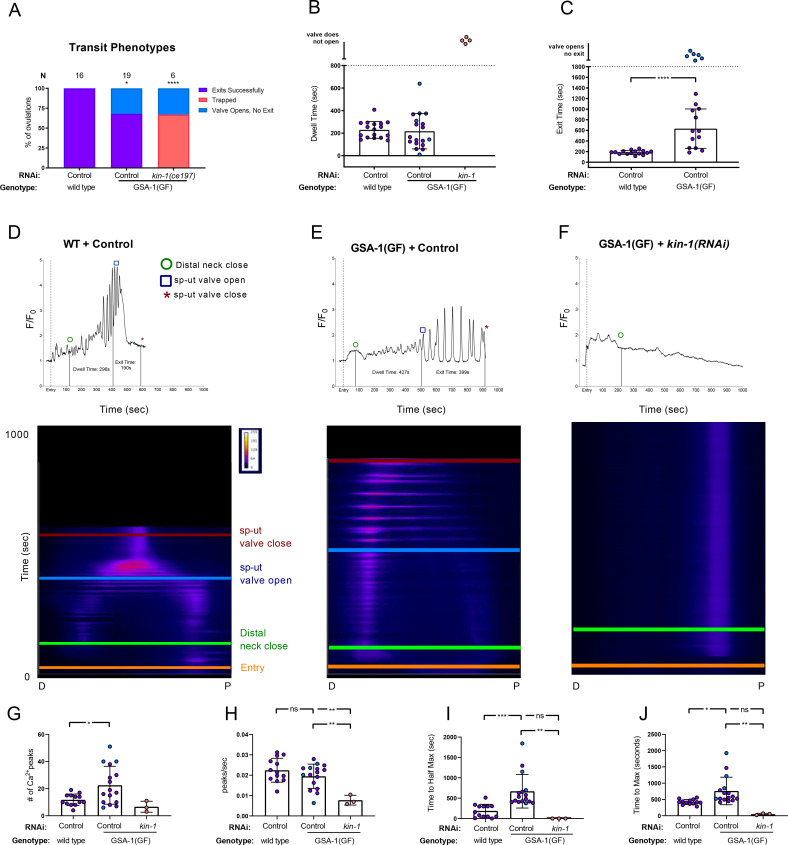
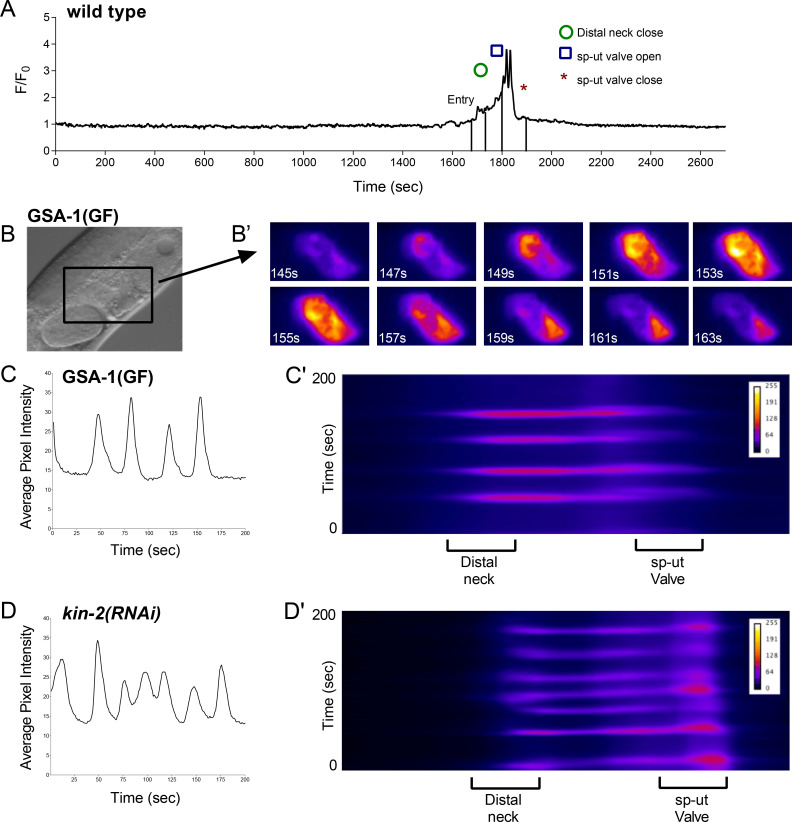
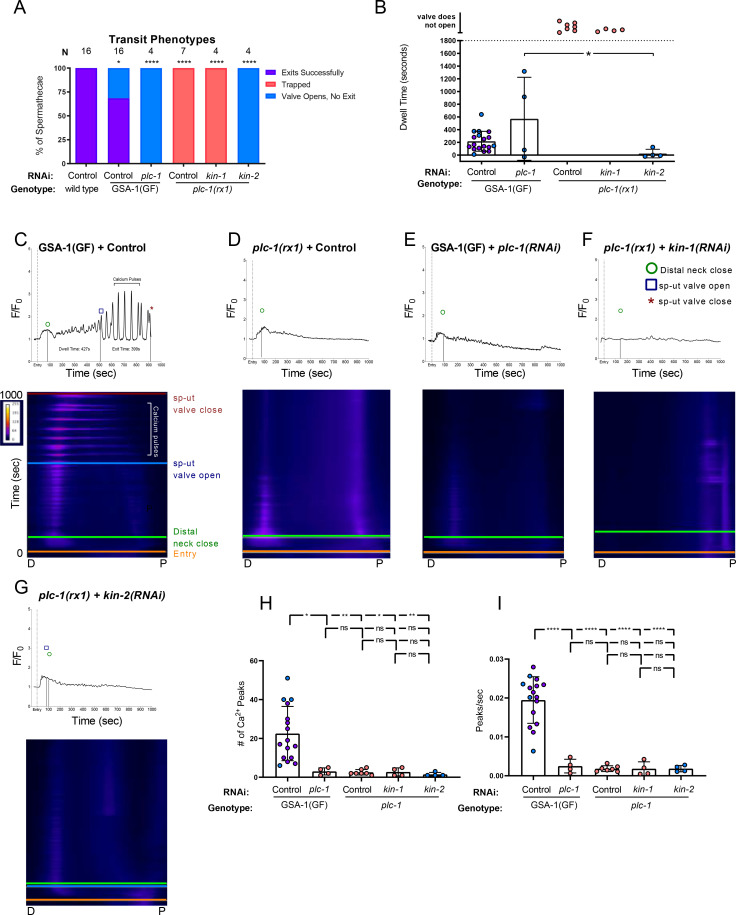
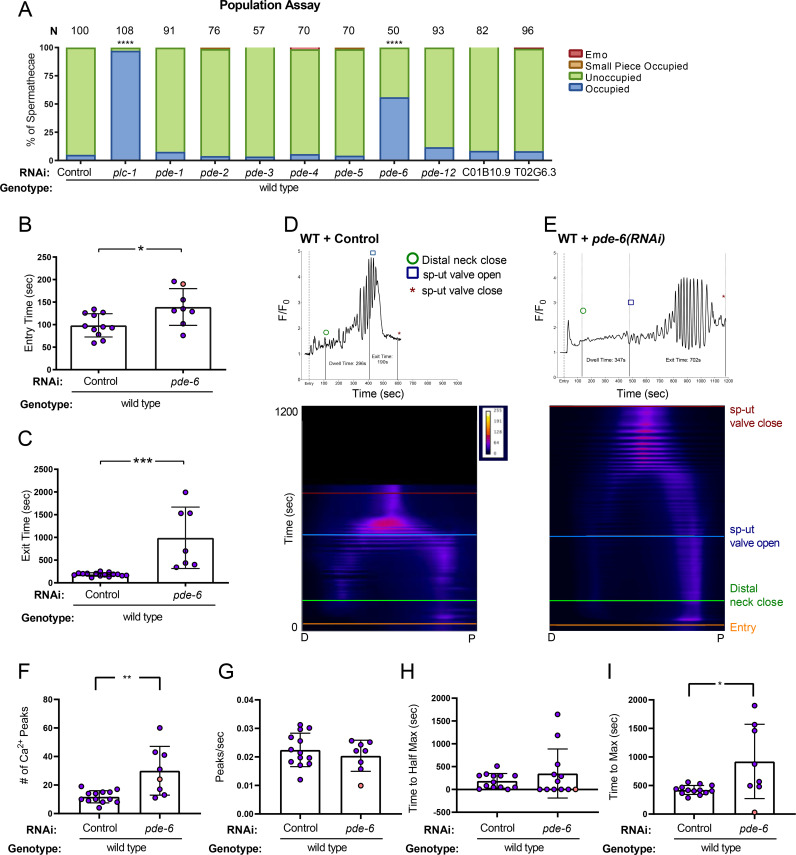
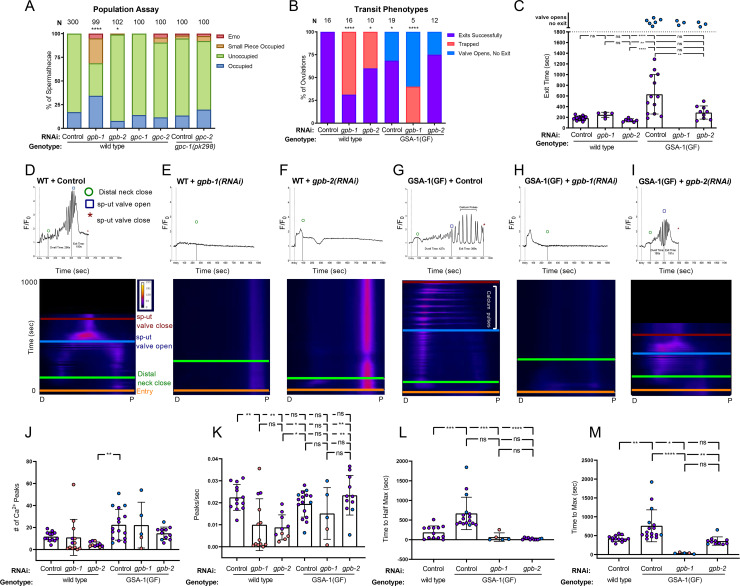
Correct regulation of cell contractility is critical for the function of many biological systems. The reproductive system of the hermaphroditic nematode C. elegans contains a contractile tube of myoepithelial cells known as the spermatheca, which stores sperm and is the site of oocyte fertilization. Regulated contraction of the spermatheca pushes the embryo into the uterus. Cell contractility in the spermatheca is dependent on actin and myosin and is regulated, in part, by Ca2+ signaling through the phospholipase PLC-1, which mediates Ca2+ release from the endoplasmic reticulum. Here, we describe a novel role for GSA-1/Gαs, and protein kinase A, composed of the catalytic subunit KIN-1/PKA-C and the regulatory subunit KIN-2/PKA-R, in the regulation of Ca2+ release and contractility in the C. elegans spermatheca. Without GSA-1/Gαs or KIN-1/PKA-C, Ca2+ is not released, and oocytes become trapped in the spermatheca. Conversely, when PKA is activated through either a gain of function allele in GSA-1 (GSA-1(GF)) or by depletion of KIN-2/PKA-R, the transit times and total numbers, although not frequencies, of Ca2+ pulses are increased, and Ca2+ propagates across the spermatheca even in the absence of oocyte entry. In the spermathecal-uterine valve, loss of GSA-1/Gαs or KIN-1/PKA-C results in sustained, high levels of Ca2+ and a loss of coordination between the spermathecal bag and sp-ut valve. Additionally, we show that depleting phosphodiesterase PDE-6 levels alters contractility and Ca2+ dynamics in the spermatheca, and that the GPB-1 and GPB-2 Gβ subunits play a central role in regulating spermathecal contractility and Ca2+ signaling. This work identifies a signaling network in which Ca2+ and cAMP pathways work together to coordinate spermathecal contractions for successful ovulations.
细胞收缩的正确调节对于许多生物系统的功能至关重要。雌雄同体线虫 C. elegans 的生殖系统包含一个称为精囊的肌上皮细胞收缩管,它储存精子,是卵母细胞受精的部位。精囊的有调节的收缩将胚胎推送到子宫中。精囊中的细胞收缩依赖于肌动蛋白和肌球蛋白,部分通过 PLC-1 磷脂酶的 Ca2+信号来调节,PLC-1 介导内质网中 Ca2+的释放。在这里,我们描述了 GSA-1/Gαs 和蛋白激酶 A(由催化亚基 KIN-1/PKA-C 和调节亚基 KIN-2/PKA-R 组成)在调节 C. elegans 精囊 Ca2+释放和收缩中的新作用。没有 GSA-1/Gαs 或 KIN-1/PKA-C,Ca2+就不会释放,卵母细胞就会被困在精囊中。相反,当 GSA-1 中的功能获得性等位基因(GSA-1(GF))或通过耗尽 KIN-2/PKA-R 激活 PKA 时,尽管 Ca2+脉冲的频率没有增加,但 Ca2+的传输时间和总数增加,并且 Ca2+甚至在没有卵母细胞进入的情况下在精囊中传播。在精囊-子宫瓣中,缺失 GSA-1/Gαs 或 KIN-1/PKA-C 导致 Ca2+持续处于高水平,并且精囊袋和 sp-ut 瓣之间的协调丧失。此外,我们表明,耗尽磷酸二酯酶 PDE-6 的水平会改变精囊的收缩性和 Ca2+动力学,并且 GPB-1 和 GPB-2 Gβ亚基在调节精囊收缩性和 Ca2+信号中起核心作用。这项工作确定了一个信号网络,其中 Ca2+和 cAMP 途径协同作用,为成功排卵协调精囊收缩。