Department of Biomedical Sciences, University of Minnesota Medical School, 1035 University Drive, Duluth, MN, 55812, USA.
Department of Psychology, National Chung Cheng University, Minhsiung, Chiayi, Taiwan, Republic of China.
Mol Brain. 2020 Aug 10;13(1):111. doi: 10.1186/s13041-020-00649-7.
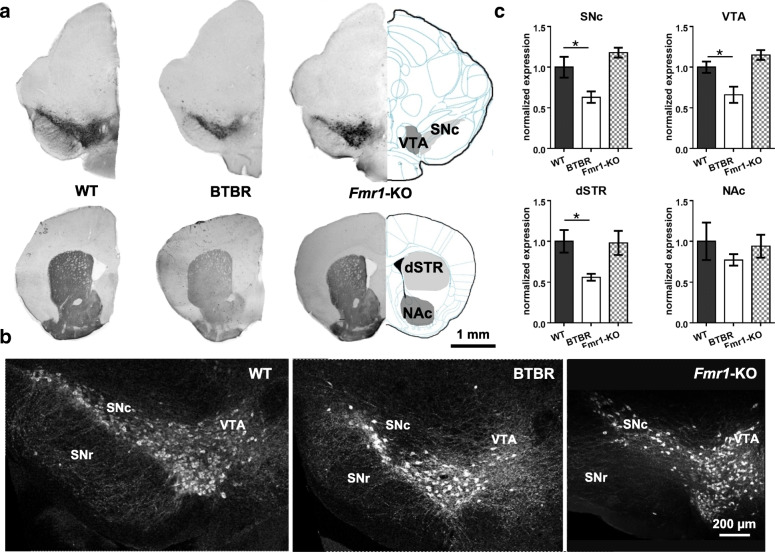
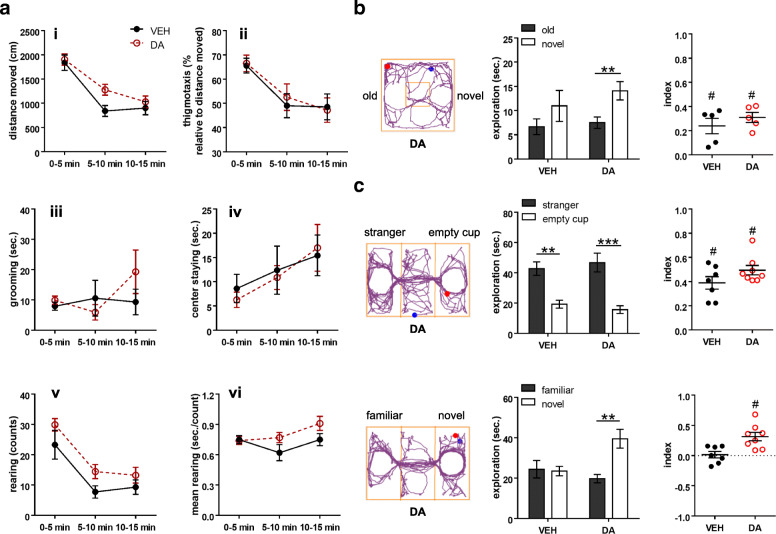
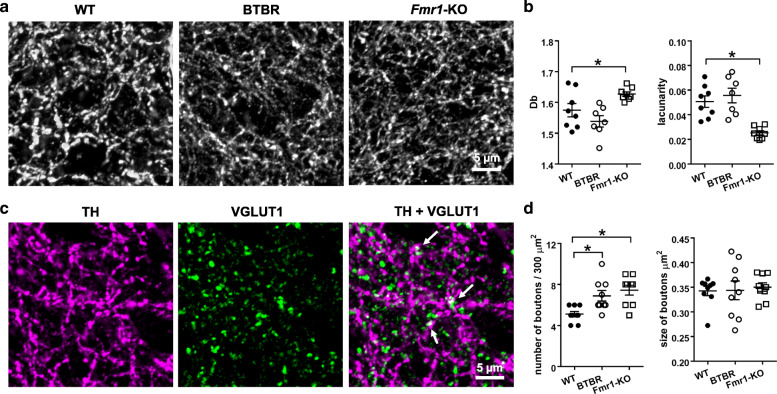
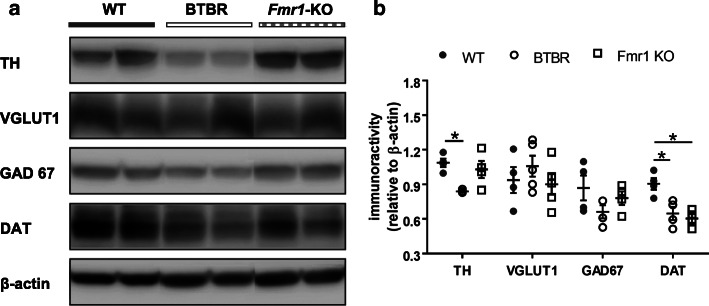
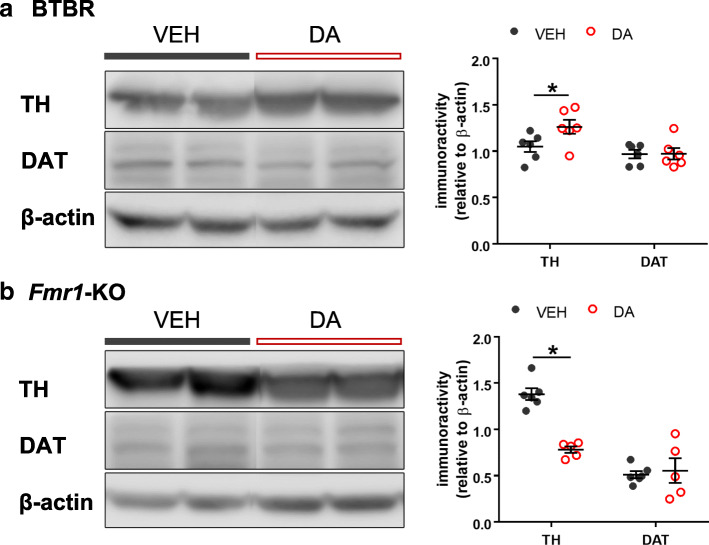
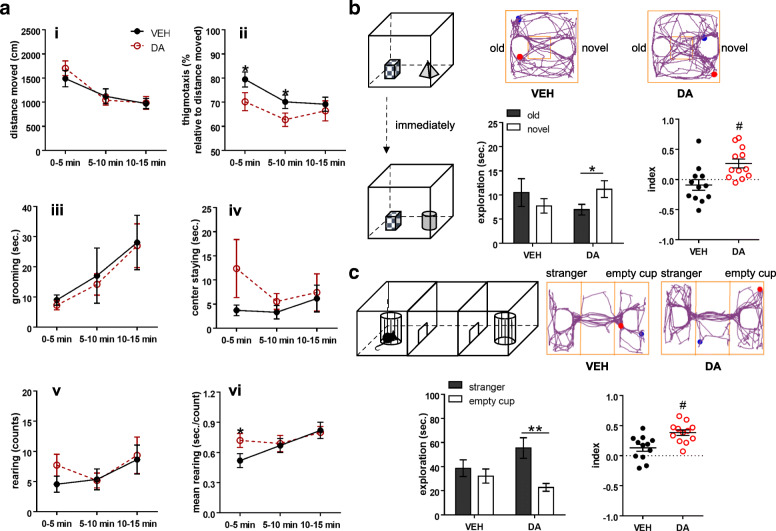
The dopamine (DA) system has a profound impact on reward-motivated behavior and is critically involved in neurodevelopmental disorders, such as autism spectrum disorder (ASD). Although DA defects are found in autistic patients, it is not well defined how the DA pathways are altered in ASD and whether DA can be utilized as a potential therapeutic agent for ASD. To this end, we employed a phenotypic and a genetic ASD model, i.e., Black and Tan BRachyury TItpr3/J (BTBR) mice and Fragile X Mental Retardation 1 knockout (Fmr1-KO) mice, respectively. Immunostaining of tyrosine hydroxylase (TH) to mark dopaminergic neurons revealed an overall reduction in the TH expression in the substantia nigra, ventral tegmental area and dorsal striatum of BTBR mice, as compared to C57BL/6 J wild-type ones. In contrast, Fmr1-KO animals did not show such an alteration but displayed abnormal morphology of TH-positive axons in the striatum with higher "complexity" and lower "texture". Both strains exhibited decreased expression of striatal dopamine transporter (DAT) and increased spatial coupling between vesicular glutamate transporter 1 (VGLUT1, a label for glutamatergic terminals) and TH signals, while GABAergic neurons quantified by glutamic acid decarboxylase 67 (GAD67) remained intact. Intranasal administration of DA rescued the deficits in non-selective attention, object-based attention and social approaching of BTBR mice, likely by enhancing the level of TH in the striatum. Application of intranasal DA to Fmr1-KO animals alleviated their impairment of social novelty, in association with reduced striatal TH protein. These results suggest that although the DA system is modified differently in the two ASD models, intranasal treatment with DA effectively rectifies their behavioral phenotypes, which may present a promising therapy for diverse types of ASD.
多巴胺(DA)系统对奖励动机行为有深远影响,并且与神经发育障碍密切相关,例如自闭症谱系障碍(ASD)。虽然在自闭症患者中发现了 DA 缺陷,但 ASD 中 DA 通路如何改变以及 DA 是否可作为 ASD 的潜在治疗剂尚不清楚。为此,我们使用了表型和遗传 ASD 模型,即黑棕 Tan BRachyury TItpr3/J(BTBR)小鼠和脆性 X 智力低下 1 缺失(Fmr1-KO)小鼠。用酪氨酸羟化酶(TH)免疫染色标记多巴胺能神经元,结果显示 BTBR 小鼠的黑质、腹侧被盖区和背侧纹状体中的 TH 表达总体减少,而与 C57BL/6 J 野生型相比。相比之下,Fmr1-KO 动物没有表现出这种改变,但显示出纹状体中 TH 阳性轴突的异常形态,具有更高的“复杂性”和更低的“纹理”。两种品系的纹状体多巴胺转运体(DAT)表达减少,囊泡谷氨酸转运体 1(VGLUT1,谷氨酸能末梢的标记物)与 TH 信号之间的空间耦合增加,而谷氨酸脱羧酶 67(GAD67)量化的 GABA 能神经元保持完整。DA 的鼻内给药可挽救 BTBR 小鼠的非选择性注意、基于对象的注意和社交接近的缺陷,可能通过增强纹状体中的 TH 水平来实现。鼻内给予 DA 可减轻 Fmr1-KO 动物的社交新颖性障碍,同时纹状体 TH 蛋白减少。这些结果表明,尽管两种 ASD 模型中的 DA 系统改变不同,但鼻内给予 DA 可有效纠正其行为表型,这可能为多种类型的 ASD 提供一种有前途的治疗方法。