The Laboratory of Physiological Hygiene and Exercise Science, University of Minnesota Twin Cities, Minneapolis, MN 55455, USA.
Department of Orthopedic Surgery, Mayo Clinic, Rochester, MN 55905, USA.
J Sport Health Sci. 2020 Sep;9(5):386-393. doi: 10.1016/j.jshs.2020.01.001. Epub 2020 Jan 11.
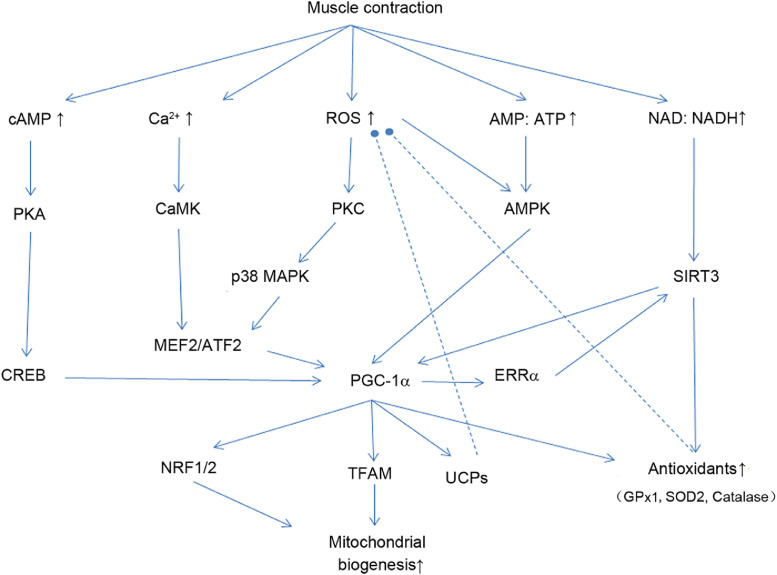
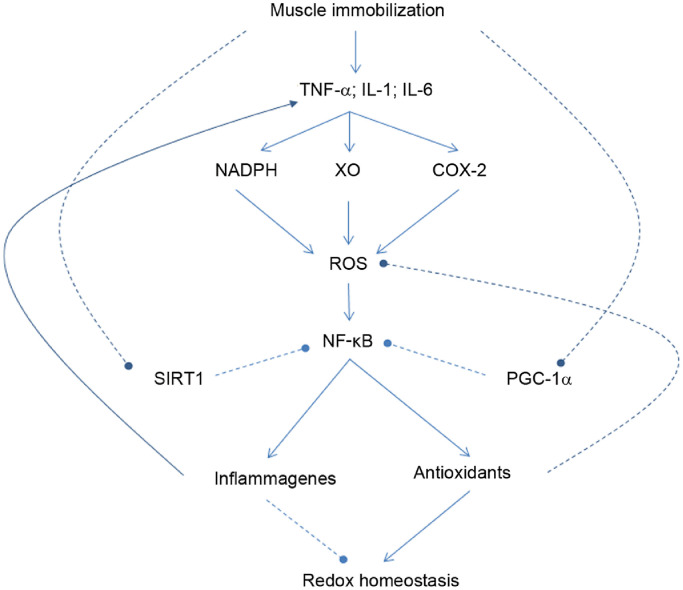
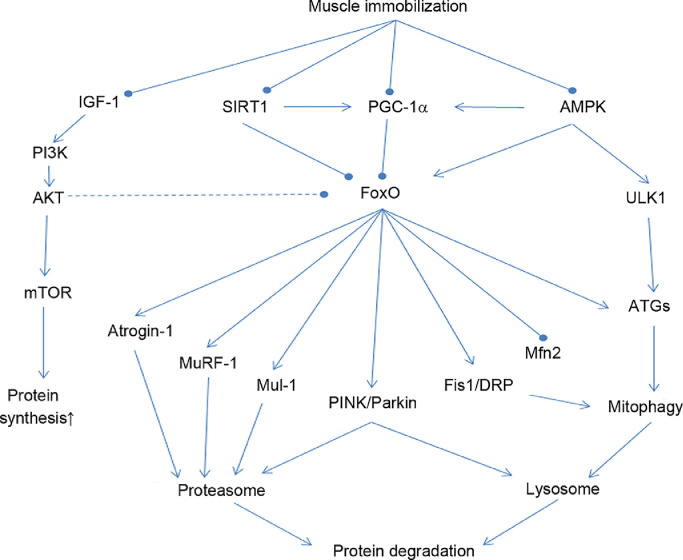
In the past, contraction-induced production of reactive oxygen species (ROS) has been implicated in oxidative stress to skeletal muscle. As research advances, clear evidence has revealed a more complete role of ROS under both physiologic and pathologic conditions. Central to the role of ROS is the redox signaling pathways that control exercise-induced major physiologic and cellular responses and adaptations, such as mitochondrial biogenesis, mitophagy, mitochondrial morphologic dynamics, antioxidant defense, and inflammation. The current review focuses on how muscle contraction and immobilization may activate or inhibit redox signalings and their impact on muscle mitochondrial homeostasis and physiologic implications.
在过去,收缩诱导的活性氧(ROS)的产生与骨骼肌的氧化应激有关。随着研究的进展,ROS 在生理和病理条件下的更完整作用已经得到了明确的证实。ROS 的核心作用是氧化还原信号通路,它控制着运动引起的主要生理和细胞反应及适应,如线粒体生物发生、线粒体自噬、线粒体形态动力学、抗氧化防御和炎症。本综述重点讨论肌肉收缩和固定如何激活或抑制氧化还原信号及其对肌肉线粒体动态平衡和生理意义的影响。