McMahon William R, Ftouni Suzanne, Phillips Andrew J K, Beatty Caroline, Lockley Steven W, Rajaratnam Shanthakumar M W, Maruff Paul, Drummond Sean P A, Anderson Clare
School of Psychological Sciences and Turner Institute for Brain and Mental Health, Monash University, Melbourne, Victoria, Australia.
Cooperative Research Centre for Alertness, Safety and Productivity, Melbourne, Victoria, Australia.
PLoS One. 2020 Aug 12;15(8):e0236566. doi: 10.1371/journal.pone.0236566. eCollection 2020.
Many sleep and circadian studies require participants to adhere to structured sleep-wake schedules designed to stabilize sleep outcomes and circadian phase prior to in-laboratory testing. The effectiveness of this approach has not been rigorously evaluated, however. We therefore investigated the differences between participants' unstructured and structured sleep over a three-week interval.
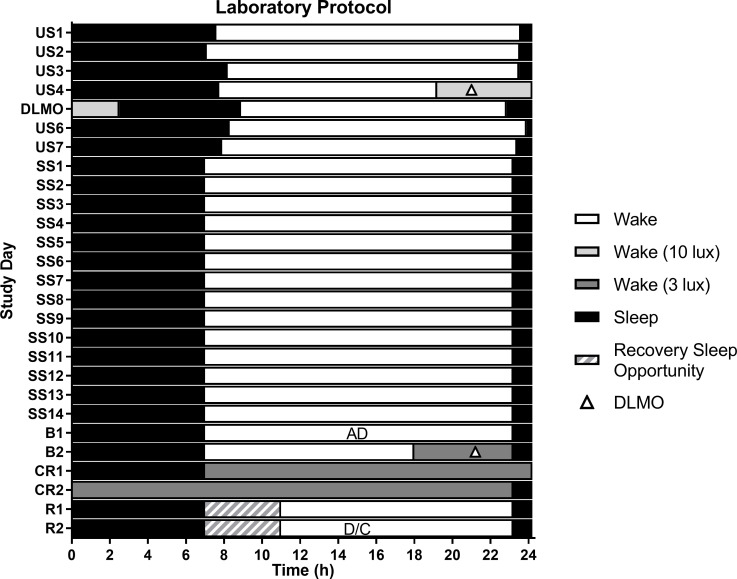
Twenty-three healthy young adults completed three weeks of sleep monitoring, including one week of unstructured sleep and two weeks of structured sleep with consistent bed and wake times. Circadian phase was assessed via salivary dim light melatonin onset (DLMO) during both the unstructured and structured sleep episodes.
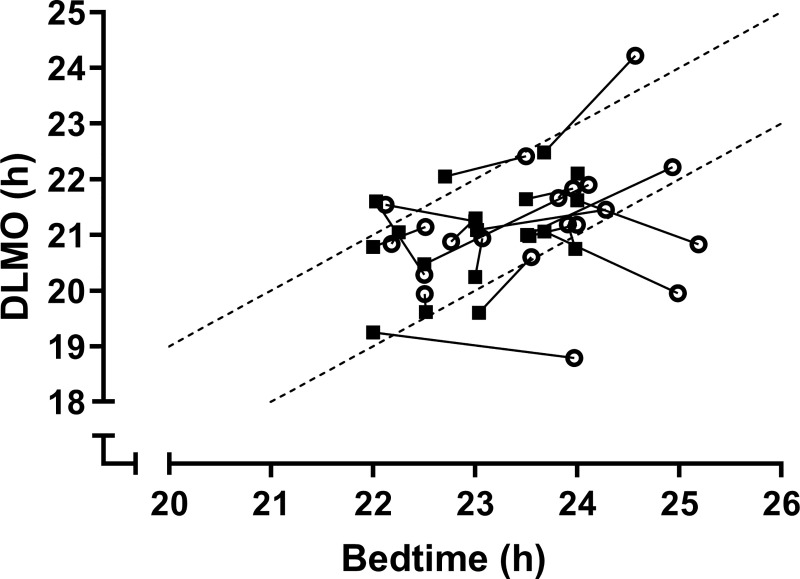
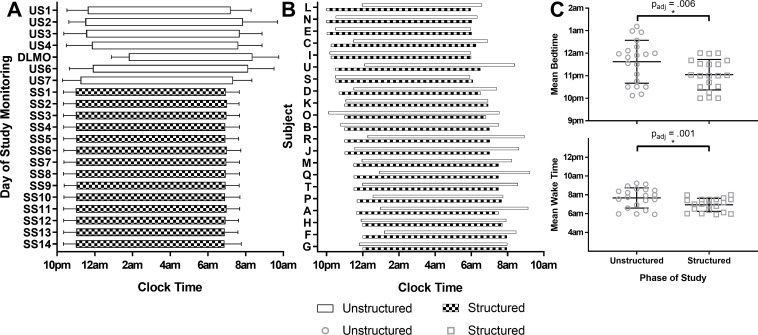
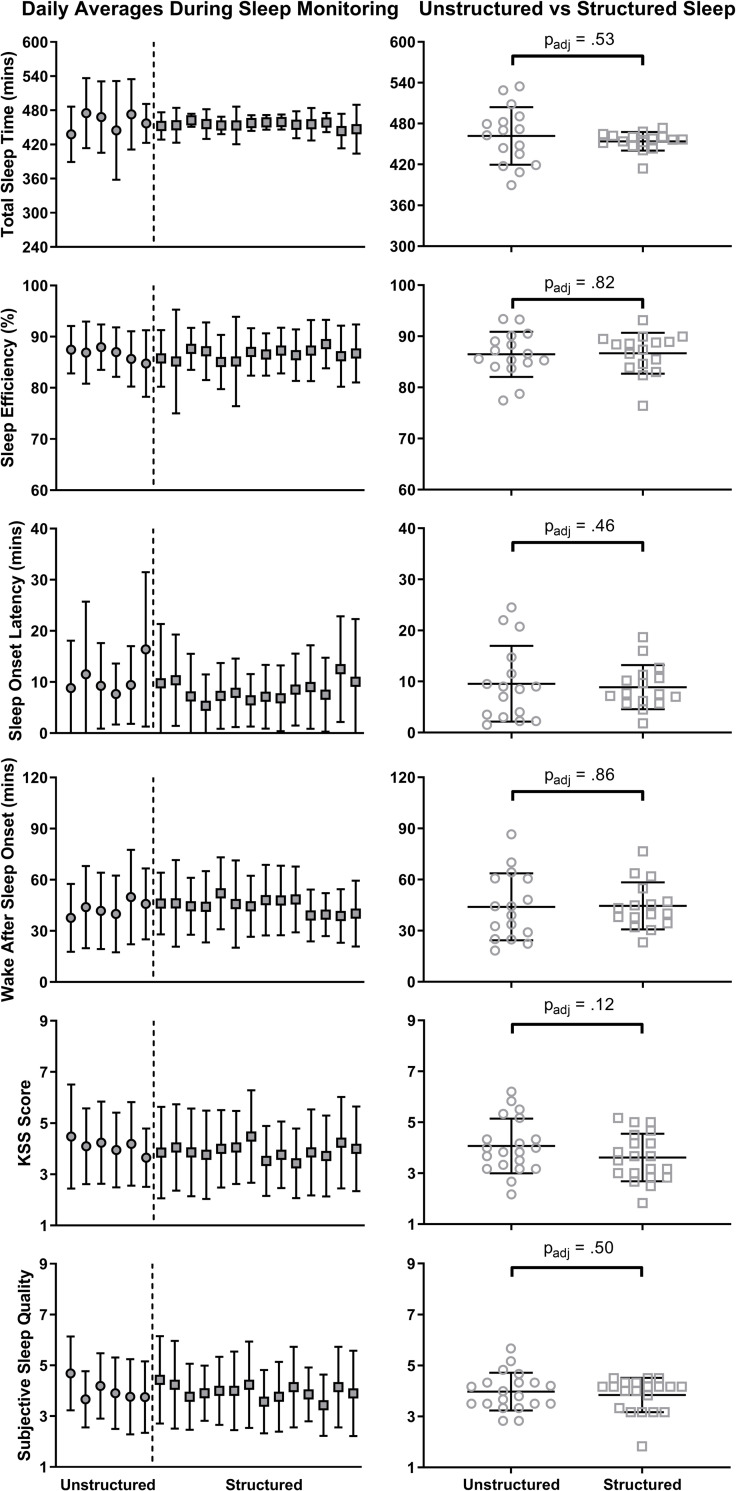
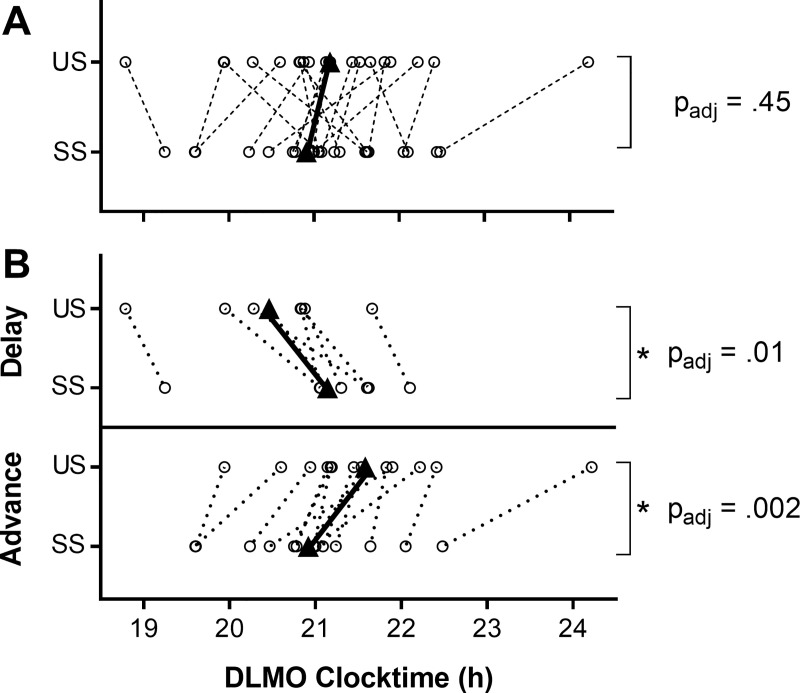
Compared to their unstructured sleep schedule, participants' bed- and wake times were significantly earlier in their structured sleep, by 34 ± 44 mins (M ± SD) and 44 ± 41 mins, respectively. During structured sleep, circadian phase was earlier in 65% of participants (40 ± 32 mins) and was later in 35% (41 ± 25 mins) compared to unstructured sleep but did not change at the group level. While structured sleep reduced night-to-night variability in sleep timing and sleep duration, and improved the alignment (phase angle) between sleep onset and circadian phase in the most poorly aligned individuals (DLMO < 1h or > 3h before sleep onset time; 25% of our sample), sleep duration and quality were unchanged.
Our results show adherence to a structured sleep schedule results in more regular sleep timing, and improved alignment between sleep and circadian timing for those individuals who previously had poorer alignment. Our findings support the use of structured sleep schedules prior to in-laboratory sleep and circadian studies to stabilize sleep and circadian timing in healthy volunteers.
许多睡眠和昼夜节律研究要求参与者遵循结构化的睡眠-清醒时间表,该时间表旨在在实验室测试前稳定睡眠结果和昼夜节律相位。然而,这种方法的有效性尚未得到严格评估。因此,我们调查了参与者在三周时间内非结构化睡眠和结构化睡眠之间的差异。
23名健康的年轻成年人完成了为期三周的睡眠监测,包括一周的非结构化睡眠和两周的结构化睡眠,且上床睡觉和起床时间保持一致。在非结构化睡眠和结构化睡眠期间,均通过唾液褪黑素暗光起始时间(DLMO)评估昼夜节律相位。
与非结构化睡眠时间表相比,参与者在结构化睡眠中的上床睡觉时间和起床时间明显更早,分别提前了34±44分钟(均值±标准差)和44±41分钟。在结构化睡眠期间,65%的参与者(提前了40±32分钟)的昼夜节律相位比非结构化睡眠时更早,35%的参与者(推迟了41±25分钟)的昼夜节律相位比非结构化睡眠时更晚,但在组水平上没有变化。虽然结构化睡眠减少了睡眠时间和睡眠时长的夜间变异性,并改善了睡眠起始时间与昼夜节律相位之间的一致性(相位角),对于那些一致性最差的个体(DLMO在睡眠起始时间前<1小时或>3小时;占我们样本的25%),但睡眠时长和质量并未改变。
我们的结果表明,遵循结构化睡眠时间表可使睡眠时间更规律,并改善了那些之前一致性较差的个体的睡眠与昼夜节律时间之间的一致性。我们的研究结果支持在实验室睡眠和昼夜节律研究之前使用结构化睡眠时间表,以稳定健康志愿者的睡眠和昼夜节律时间。