Geographic Data Science Lab, School of Environmental Sciences, University of Liverpool, Liverpool, UK.
Human Nutrition Research Centre, Institute of Cellular Medicine, Newcastle University, Newcastle Upon-Tyne, UK.
Nutr J. 2020 Aug 13;19(1):83. doi: 10.1186/s12937-020-00602-3.
Our ability to understand population-level dietary intake patterns is dependent on having access to high quality data. Diet surveys are common diet assessment methods, but can be limited by bias associated with under-reporting. Food purchases tracked using supermarket loyalty card records may supplement traditional surveys, however they are rarely available to academics and policy makers. The aim of our study is to explore population level patterns of protein purchasing and consumption in ageing adults (40 years onwards).
We used diet survey data from the National Diet and Nutrition Survey (2014-16) on food consumption, and loyalty card records on food purchases from a major high street supermarket retailer (2016-17) covering the UK. We computed the percentage of total energy derived from protein, protein intake per kg of body mass, and percentage of protein acquired by food type.
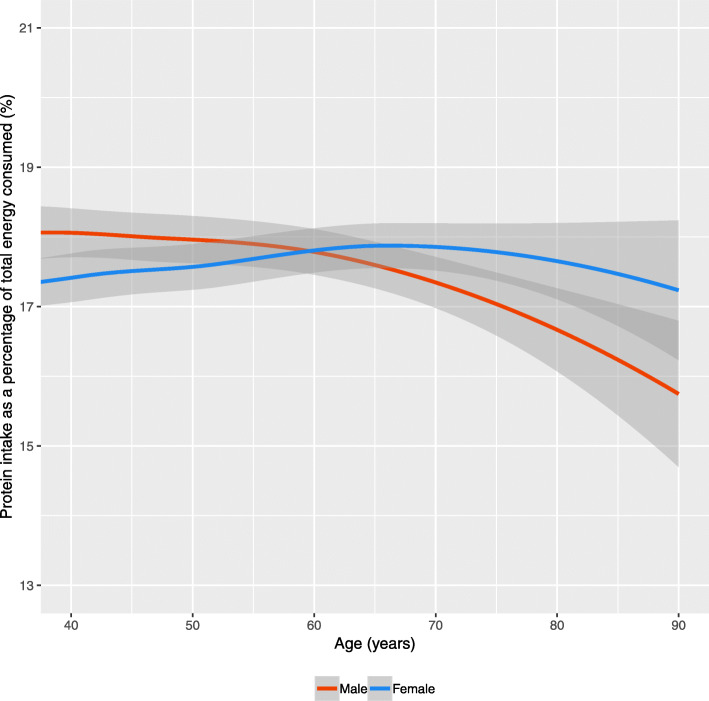
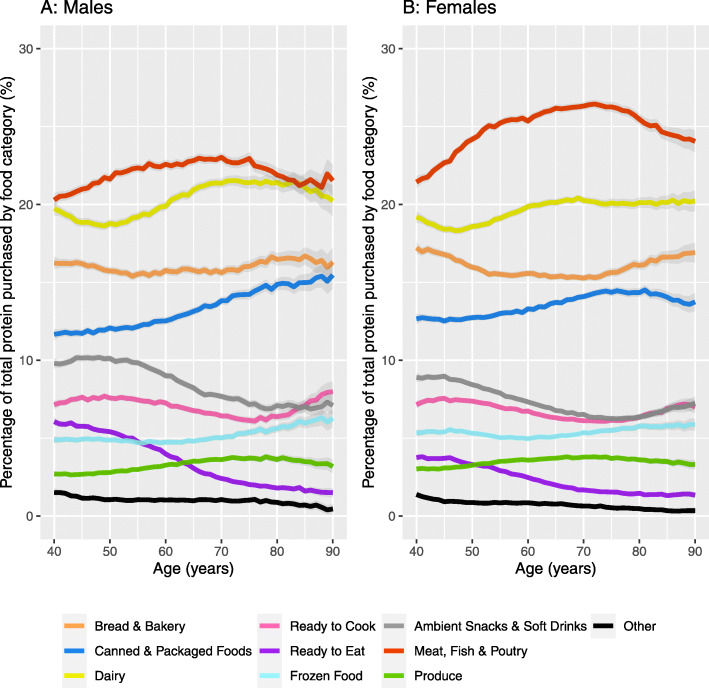
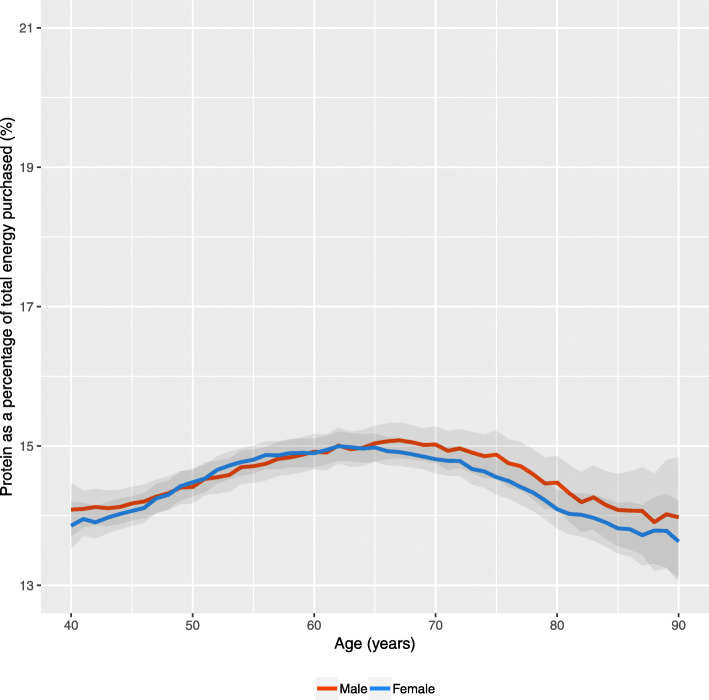
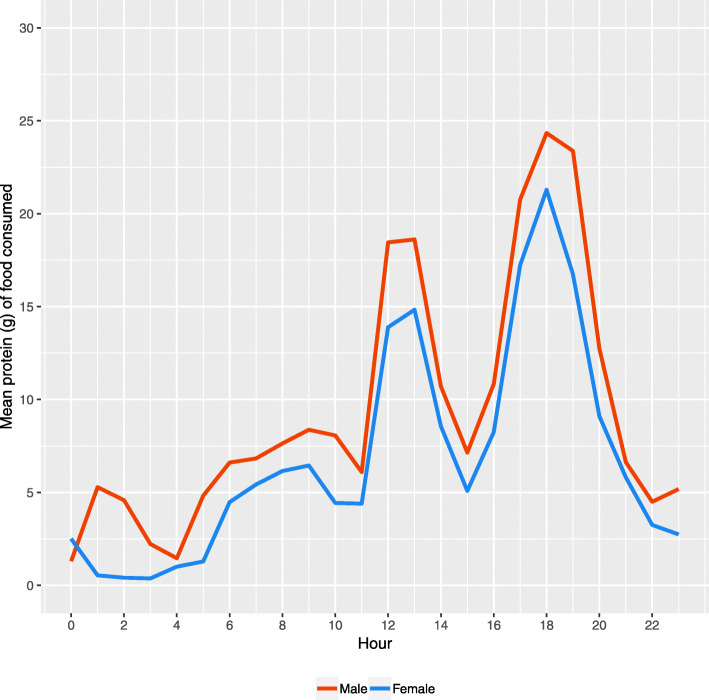
We found that protein consumption (as the percentage of total energy purchased) increased between ages 40-65 years, and declined thereafter. In comparison, protein purchased in supermarkets was roughly 2-2.5 percentage points lower at each year of age. The proportion of adults meeting recommended levels of protein was lowest in age groups 55-69 and 70+. The time of protein consumption was skewed towards evening meals, with low intakes during breakfast or between main meals. Meat, fish and poultry dominated as sources of protein purchased and consumed, although adults also acquired a large share of their protein from dairy and bread, with little from plant protein.
Our study provides novel insights into how protein is purchased and consumed by ageing adults in the UK. Supermarket loyalty card data can reveal patterns of protein purchasing that when combined with traditional sources of dietary intake may enhance our understanding of dietary behaviours.
我们能否理解人群的饮食摄入模式取决于能否获得高质量的数据。饮食调查是常见的饮食评估方法,但可能受到与低报有关的偏差的限制。使用超市会员卡记录跟踪的食品购买情况可能会补充传统调查,但它们很少为学者和政策制定者所使用。我们研究的目的是探索老年人(40 岁以上)的蛋白质购买和消费的人群水平模式。
我们使用了来自全国饮食与营养调查(2014-16 年)的关于食物消费的饮食调查数据,以及来自一家主要的高街超市零售商(2016-17 年)的关于食物购买的会员卡记录,涵盖了英国。我们计算了总能量中蛋白质的百分比、每公斤体重的蛋白质摄入量以及每种食物类型获得的蛋白质的百分比。
我们发现,40-65 岁之间的蛋白质消费(占总能量购买的百分比)增加,此后则下降。相比之下,在每个年龄段,超市购买的蛋白质大约低 2-2.5 个百分点。在 55-69 岁和 70+岁的年龄组中,达到蛋白质推荐摄入量的成年人比例最低。蛋白质消费的时间偏向于晚餐,早餐或正餐之间的摄入量较低。肉、鱼和禽肉是购买和消费的主要蛋白质来源,尽管成年人也从乳制品和面包中获得大量蛋白质,从植物蛋白质中获得的蛋白质很少。
我们的研究提供了关于英国老年人如何购买和消费蛋白质的新见解。超市会员卡数据可以揭示蛋白质购买模式,当与传统的饮食摄入来源结合使用时,可以增强我们对饮食行为的理解。