BioNTech US, Inc., 40 Erie Street, Suite 110, Cambridge, MA, 02139, USA.
Genome Med. 2020 Aug 13;12(1):70. doi: 10.1186/s13073-020-00767-w.
The ongoing COVID-19 pandemic has created an urgency to identify novel vaccine targets for protective immunity against SARS-CoV-2. Early reports identify protective roles for both humoral and cell-mediated immunity for SARS-CoV-2.
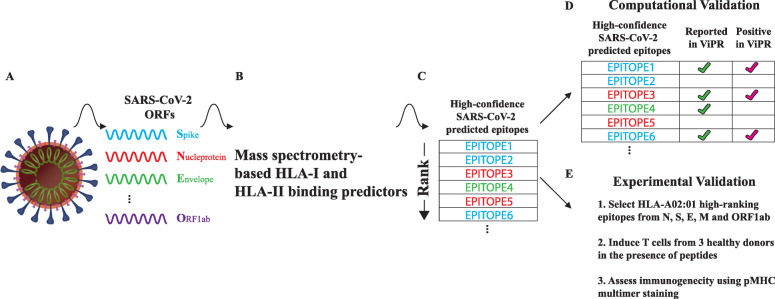
We leveraged our bioinformatics binding prediction tools for human leukocyte antigen (HLA)-I and HLA-II alleles that were developed using mass spectrometry-based profiling of individual HLA-I and HLA-II alleles to predict peptide binding to diverse allele sets. We applied these binding predictors to viral genomes from the Coronaviridae family and specifically focused on T cell epitopes from SARS-CoV-2 proteins. We assayed a subset of these epitopes in a T cell induction assay for their ability to elicit CD8 T cell responses.
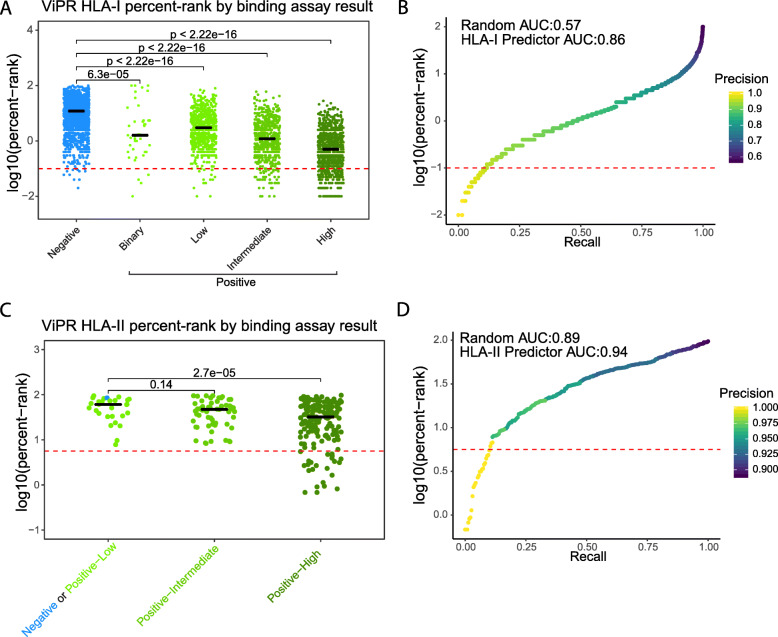
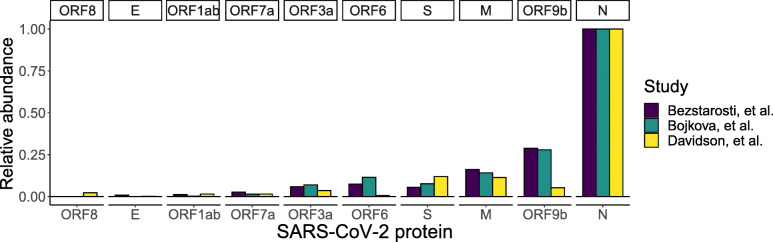
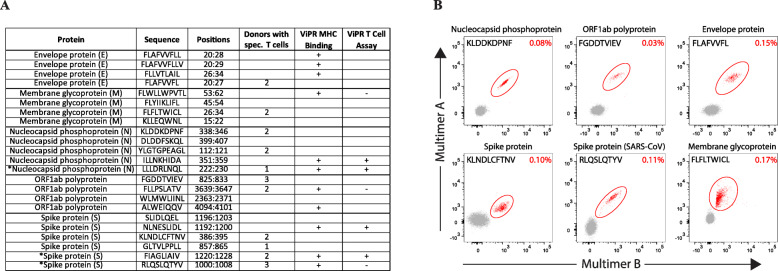
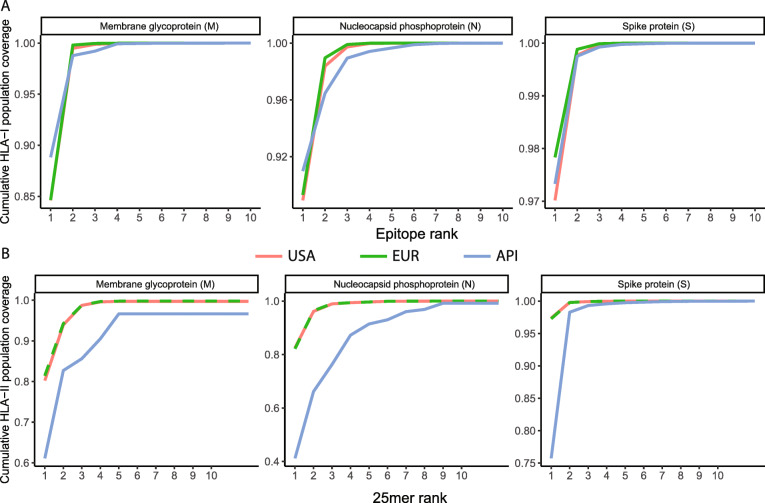
We first validated HLA-I and HLA-II predictions on Coronaviridae family epitopes deposited in the Virus Pathogen Database and Analysis Resource (ViPR) database. We then utilized our HLA-I and HLA-II predictors to identify 11,897 HLA-I and 8046 HLA-II candidate peptides which were highly ranked for binding across 13 open reading frames (ORFs) of SARS-CoV-2. These peptides are predicted to provide over 99% allele coverage for the US, European, and Asian populations. From our SARS-CoV-2-predicted peptide-HLA-I allele pairs, 374 pairs identically matched what was previously reported in the ViPR database, originating from other coronaviruses with identical sequences. Of these pairs, 333 (89%) had a positive HLA binding assay result, reinforcing the validity of our predictions. We then demonstrated that a subset of these highly predicted epitopes were immunogenic based on their recognition by specific CD8 T cells in healthy human donor peripheral blood mononuclear cells (PBMCs). Finally, we characterized the expression of SARS-CoV-2 proteins in virally infected cells to prioritize those which could be potential targets for T cell immunity.
Using our bioinformatics platform, we identify multiple putative epitopes that are potential targets for CD4 and CD8 T cells, whose HLA binding properties cover nearly the entire population. We also confirm that our binding predictors can predict epitopes eliciting CD8 T cell responses from multiple SARS-CoV-2 proteins. Protein expression and population HLA allele coverage, combined with the ability to identify T cell epitopes, should be considered in SARS-CoV-2 vaccine design strategies and immune monitoring.
持续的 COVID-19 大流行迫切需要确定针对 SARS-CoV-2 的保护性免疫的新型疫苗靶点。早期报告确定了体液免疫和细胞介导免疫对 SARS-CoV-2 的保护作用。
我们利用基于质谱的个体 HLA-I 和 HLA-II 等位基因分析来开发的 HLA-I 和 HLA-II 等位基因的生物信息学结合预测工具,预测与各种等位基因集结合的肽。我们将这些结合预测器应用于冠状病毒科的病毒基因组,并特别关注 SARS-CoV-2 蛋白的 T 细胞表位。我们在 T 细胞诱导测定中检测了这些表位的一部分,以评估它们引发 CD8 T 细胞反应的能力。
我们首先在病毒病原体数据库和分析资源 (ViPR) 数据库中验证了冠状病毒科表位的 HLA-I 和 HLA-II 预测。然后,我们利用我们的 HLA-I 和 HLA-II 预测器鉴定了 11897 个 HLA-I 和 8046 个 HLA-II 候选肽,这些肽在 SARS-CoV-2 的 13 个开放阅读框 (ORF) 中具有高结合排名。这些肽预测为美国、欧洲和亚洲人群提供了超过 99%的等位基因覆盖率。从我们预测的 SARS-CoV-2 肽-HLA-I 等位基因对中,有 374 对与来自其他具有相同序列的冠状病毒的 ViPR 数据库中先前报道的完全匹配。在这些对中,有 333 对(89%)具有阳性 HLA 结合测定结果,这证实了我们预测的有效性。然后,我们证明了这些高度预测的表位中的一部分基于它们在健康人类供体外周血单核细胞 (PBMC) 中被特定 CD8 T 细胞识别而具有免疫原性。最后,我们对病毒感染细胞中 SARS-CoV-2 蛋白的表达进行了表征,以确定那些可能成为 T 细胞免疫潜在靶点的蛋白。
使用我们的生物信息学平台,我们确定了多个可能是 CD4 和 CD8 T 细胞潜在靶点的假定表位,其 HLA 结合特性几乎覆盖了整个人群。我们还证实,我们的结合预测器可以预测来自多种 SARS-CoV-2 蛋白的引发 CD8 T 细胞反应的表位。蛋白质表达和人群 HLA 等位基因覆盖率,结合识别 T 细胞表位的能力,应在 SARS-CoV-2 疫苗设计策略和免疫监测中加以考虑。