Mojtabavi Somayeh, Samadi Nasrin, Faramarzi Mohammad Ali
Department of Pharmaceutical Biotechnology, Faculty of Pharmacy, Tehran University of Medical Sciences, Tehran, Iran.
Department of Drug and Food Control, Faculty of Pharmacy, Tehran University of Medical Sciences, Tehran, Iran.
Iran J Pharm Res. 2019 Fall;18(Suppl1):13-30. doi: 10.22037/ijpr.2020.112621.13857.
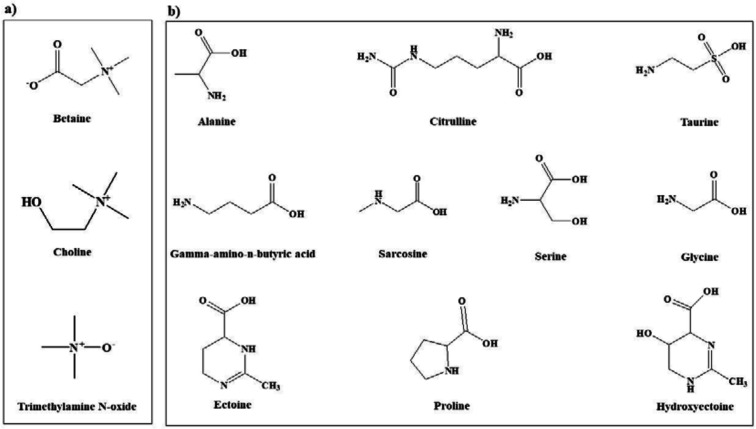
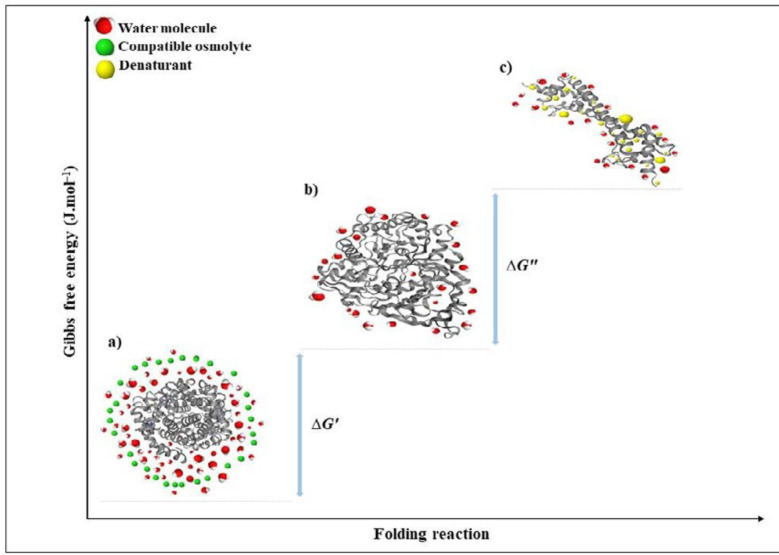
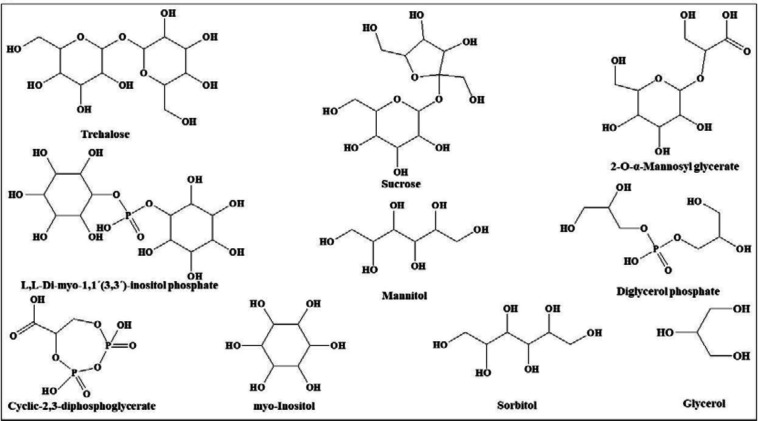
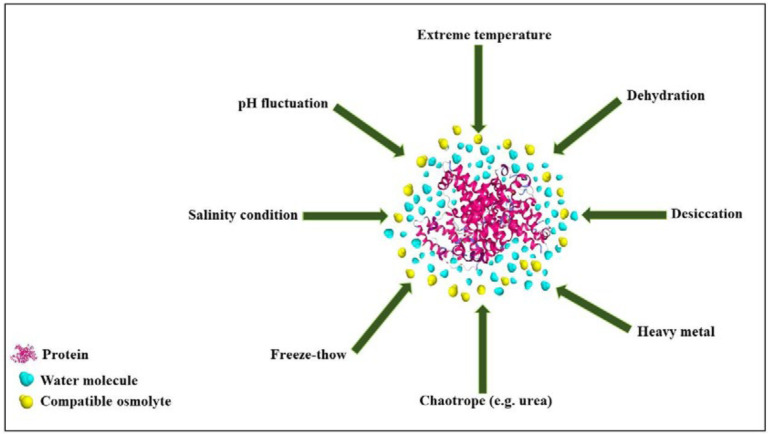
It is well-known that the typical protein's three-dimensional structure is relatively unstable in harsh conditions. A practical approach to maintain the folded state and thus improve the stability and activity of proteins in unusual circumstances is to directly apply stabilizing substances such as osmolytes to the protein-containing solutions. Osmolytes as natural occurring organic molecules typically called "compatible" solutes, based on the concept that they do not perturb cellular components. However, urea and guanidine hydrochloride (GuHCl) as denaturing osmolytes destabilize many macromolecular structures and inhibit functions. Several studies have been so far performed to explain the actual interaction of an osmolyte with a protein. The present review is aimed to achieve a collective knowledge of the progress arise in the field of osmolyte-protein interactions. The following is also an overview of the main techniques to measure protein stability in the presence of osmolytes.
众所周知,典型蛋白质的三维结构在恶劣条件下相对不稳定。在异常情况下维持蛋白质折叠状态从而提高其稳定性和活性的一种实用方法是直接向含蛋白质的溶液中添加诸如渗透剂等稳定物质。渗透剂作为天然存在的有机分子,通常被称为“相容性”溶质,这是基于它们不会干扰细胞成分这一概念。然而,尿素和盐酸胍(GuHCl)作为变性渗透剂会破坏许多大分子结构并抑制其功能。到目前为止,已经进行了多项研究来解释渗透剂与蛋白质之间的实际相互作用。本综述旨在汇总渗透剂 - 蛋白质相互作用领域取得的进展。以下也是对在有渗透剂存在的情况下测量蛋白质稳定性的主要技术的概述。