Kembuan Gabriele Jessica
Faculty of Medicine, Hasanuddin University, Indonesia.
IDCases. 2020 Aug 5;22:e00927. doi: 10.1016/j.idcr.2020.e00927. eCollection 2020.
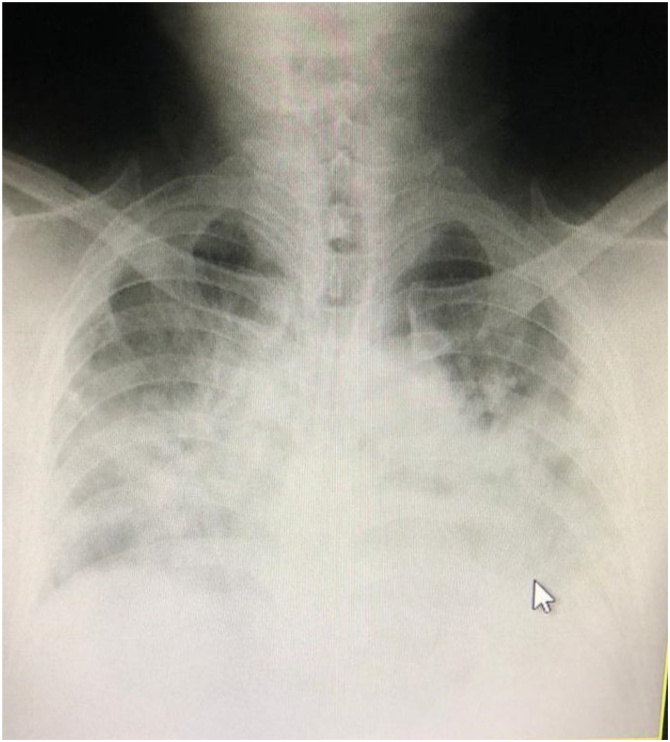
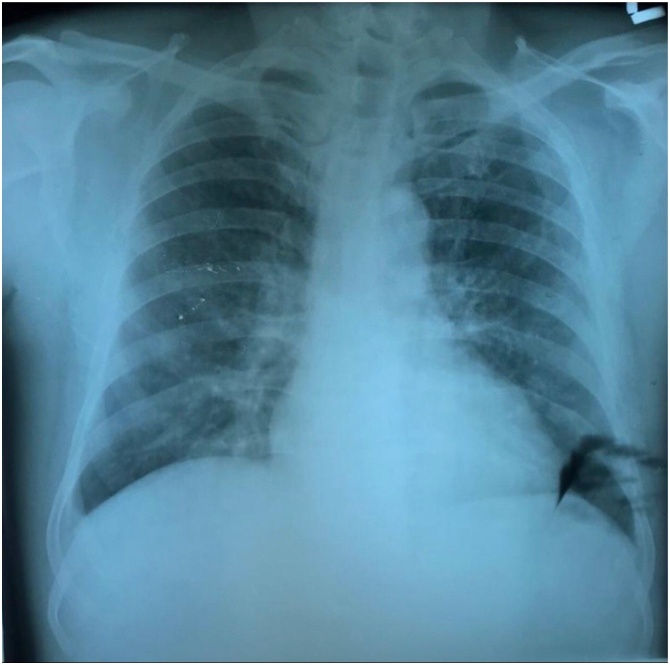
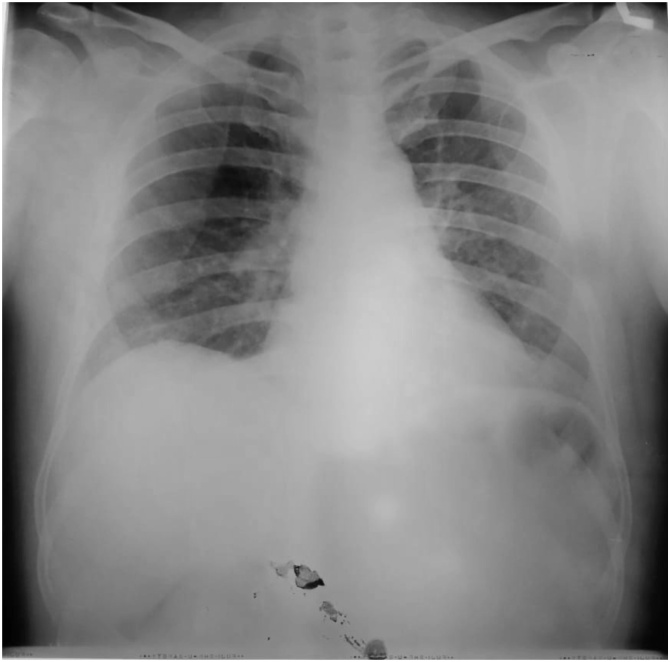
Dengue fever is an extremely common infection in Indonesia, with an estimated 77.96 cases / 100.000 person-years in 2016. However, in 2020 the threat of extremely contagious SARS CoV-2 or COVID-19 in Indonesia emerged, which has infected more than 100.303 persons by July 28, 2020, and expected to grow exponentially except if very strict measures were implemented. There are similar symptoms and laboratory findings with both dengue fever and COVID-19, paving way to dangerous possibilities such as incorrect or delayed initial treatment. This is especially worrisome in the context of the pandemic, where COVID-19 positive patients must be promptly identified, isolated and contact-traced, and eluded diagnosis might possibly endanger communities and healthcare workers. We present cases of patients who initially presented with symptoms and laboratory findings of dengue fever, including positive NS1 and/or IgM serology results. During the course of illness these patients fail to show characteristic dengue symptoms, and two cases begin to show respiratory symptoms. Upon further investigation with chest X-ray or contact tracing, the patients were indicated for COVID-19 swab test, which yielded positive results. Repeat dengue IgM/IgG returned positive in one case, suggesting dengue coinfection; however in all other cases, the repeat testing returned negative, suggesting that the initial serologies were false positives. These cases highlight the importance of comprehensively studying patients with apparent dengue fever symptoms and serology, and using the appropriate adjuvant test according to the course of the disease, since a serological overlap may exist between the two diseases.
登革热在印度尼西亚是一种极为常见的感染病,2016年估计发病率为每10万人年77.96例。然而,2020年印度尼西亚出现了极具传染性的严重急性呼吸综合征冠状病毒2(SARS-CoV-2)或新冠肺炎疫情,截至2020年7月28日,已有超过100303人感染,预计若不实施非常严格的措施,感染人数将呈指数级增长。登革热和新冠肺炎有相似的症状和实验室检查结果,这为不正确或延迟初始治疗等危险情况埋下了隐患。在疫情背景下,这尤其令人担忧,因为新冠肺炎阳性患者必须迅速被识别、隔离并进行接触者追踪,而漏诊可能会危及社区和医护人员。我们报告了一些患者的病例,这些患者最初表现出登革热的症状和实验室检查结果,包括NS1和/或IgM血清学结果呈阳性。在病程中,这些患者并未表现出典型的登革热症状,其中两例开始出现呼吸道症状。经胸部X光进一步检查或接触者追踪后,这些患者被安排进行新冠肺炎拭子检测,结果呈阳性。一例患者重复检测登革热IgM/IgG呈阳性,提示登革热合并感染;然而,在所有其他病例中,重复检测结果为阴性,表明最初的血清学检测结果为假阳性。这些病例凸显了全面研究有明显登革热症状和血清学表现的患者,并根据病程使用适当辅助检查的重要性,因为这两种疾病之间可能存在血清学重叠。