Laboratory of Pharmacology, Faculty of Medicine of Sfax, University of Sfax, Tunisia.
Laboratory of Biochemistry, CHU Habib Bourguiba, University of Sfax, Tunisia.
Biomed Res Int. 2020 Aug 2;2020:5643465. doi: 10.1155/2020/5643465. eCollection 2020.
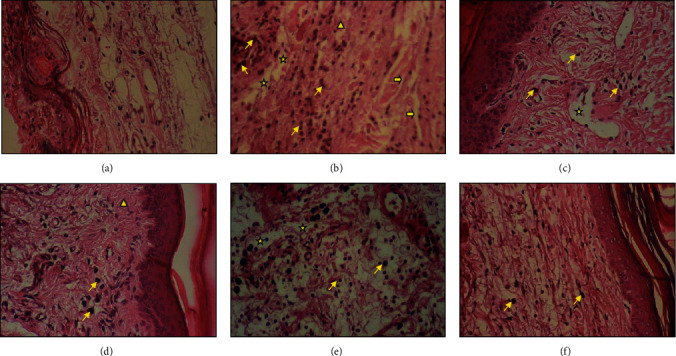
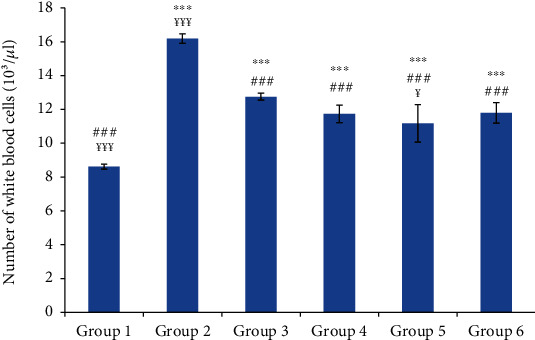
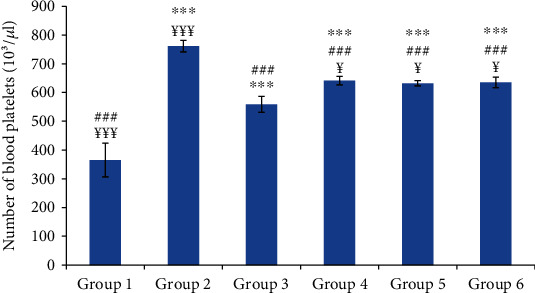
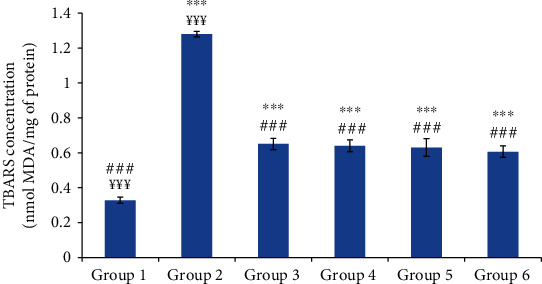
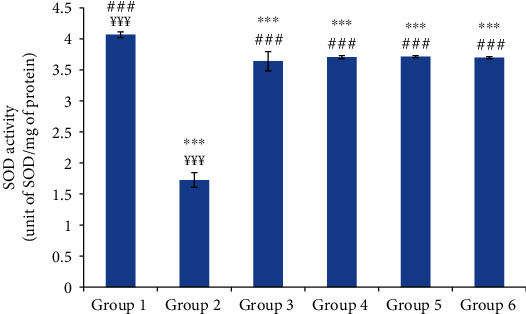
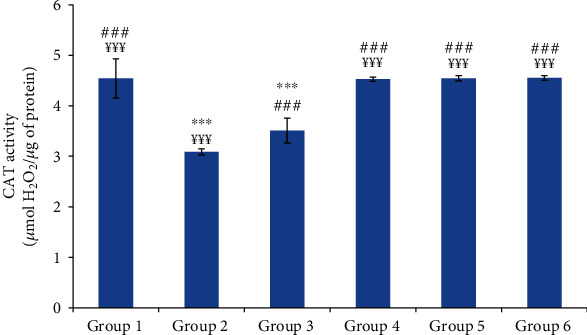
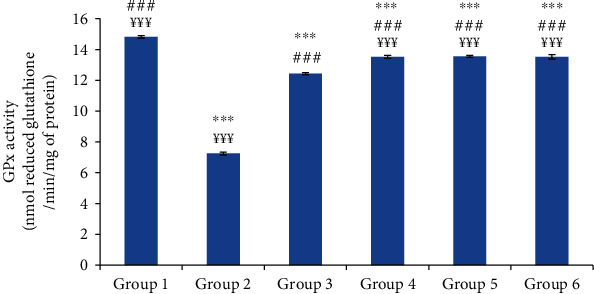
Medicinal plants have been used as a source of effective and safe alternative therapeutic agents for various ailments including inflammation. In fact, the aim of this study is to assess the topical anti-inflammatory and antioxidative potential effects of (pumpkin), (linseed), and (prickly pear) oils on acute inflammation using carrageenan-induced paw edema model. The study was conducted on 36 rats splitted in 6 groups: a normal control group and 5 carrageenan-treated groups (1%), each treated with either a normal saline, the reference drug ("Inflocine®" 2 mg/paw), pumpkin, linseed, or prickly pear oils (25 l/paw). The response to these treatments was mainly assessed by the measuring of edema paw size, hematological and biochemical analysis, oxidative stress testing, and histological study. All the studied seed oils especially prickly pear oil proved to be efficient in treating acute inflammation. The oil-treated groups revealed a significant ( < 0.05) decrease in the clinical signs of inflammation, hematological parameters (white blood cells and platelets), concentrations of CRP and fibrinogen, and congestion compared to the normal saline-treated group. The results also showed that the tested oils, endowed with a radical scavenging ability, could significantly increase the activities of SOD, CAT, and GPx in carrageenan-treated skin by reducing the lipid peroxidation and protein oxidation (TBARS, AOPP). The anti-inflammatory effect of the tested oils was closely related to both their antioxidant properties as well as their bioactive compounds (polyunsaturated fatty acids, vitamin E, and phytosterols). For the first time, the findings of the current study highlight the "" anti-inflammatory property of pumpkin, linseed, and prickly pear oils on carrageenan-induced acute inflammation by regulating inflammatory mediators and oxidative stress markers.
药用植物一直被用作有效和安全的替代治疗药物,用于治疗各种疾病,包括炎症。事实上,本研究的目的是评估南瓜籽油、亚麻籽油和仙人掌籽油在角叉菜胶诱导的爪肿胀模型中对急性炎症的局部抗炎和抗氧化潜在作用。该研究在 36 只大鼠中进行,分为 6 组:正常对照组和 5 组角叉菜胶处理组(1%),每组均用生理盐水、参比药物("Inflocine®" 2mg/爪)、南瓜籽油、亚麻籽油或仙人掌籽油(25l/爪)处理。通过测量爪肿胀大小、血液学和生化分析、氧化应激测试和组织学研究来评估这些治疗方法的效果。所有研究的种子油,特别是仙人掌油,在治疗急性炎症方面都证明是有效的。与生理盐水处理组相比,油处理组的炎症临床症状、血液学参数(白细胞和血小板)、CRP 和纤维蛋白原浓度以及充血均显著(<0.05)降低。结果还表明,测试的油具有清除自由基的能力,可以通过减少脂质过氧化和蛋白氧化(TBARS、AOPP)来显著增加角叉菜胶处理皮肤中 SOD、CAT 和 GPx 的活性。测试油的抗炎作用与其抗氧化特性以及其生物活性化合物(多不饱和脂肪酸、维生素 E 和植物甾醇)密切相关。本研究首次强调了南瓜籽油、亚麻籽油和仙人掌籽油对角叉菜胶诱导的急性炎症的抗炎作用,通过调节炎症介质和氧化应激标志物来实现。