Stolina Marina, Luo Xin, Dwyer Denise, Han Chun-Ya, Chen Rhonda, Zhang Ying, Xiong YuMei, Chen Yinhong, Yin Jun, Shkumatov Artem, Ason Brandon, Hale Clarence, Véniant Murielle M
Amgen Research, Department of Cardiometabolic, Thousand Oaks, California, United States of America.
Amgen Research, Genome Analysis Unit, San Francisco, California, United States of America.
PLoS One. 2020 Aug 17;15(8):e0231234. doi: 10.1371/journal.pone.0231234. eCollection 2020.
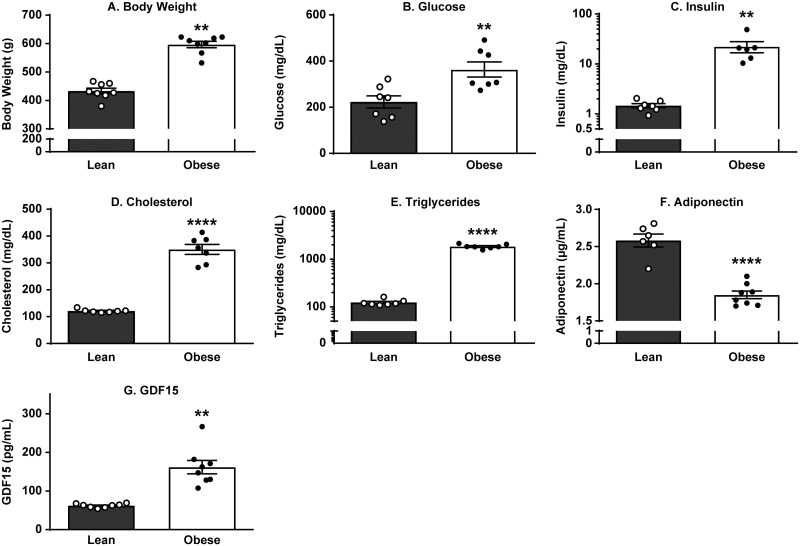
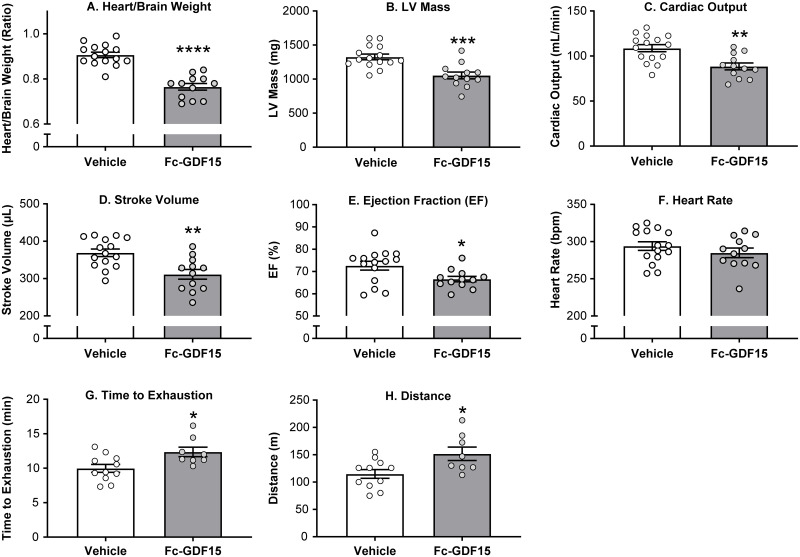
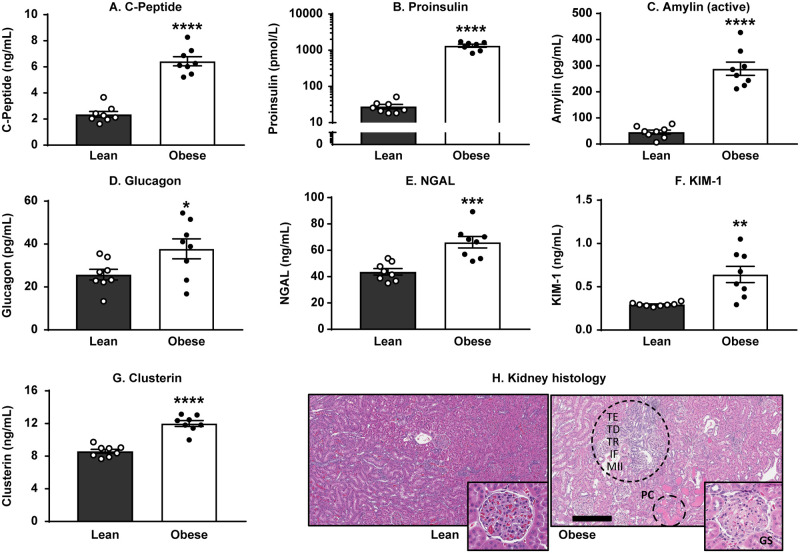
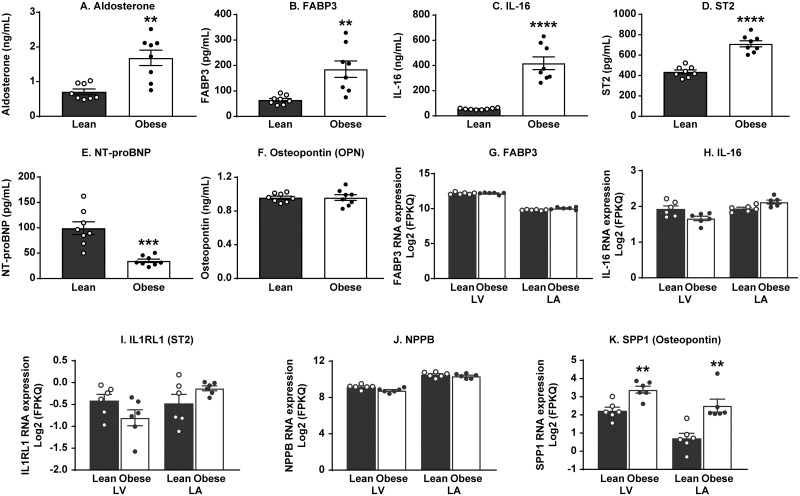
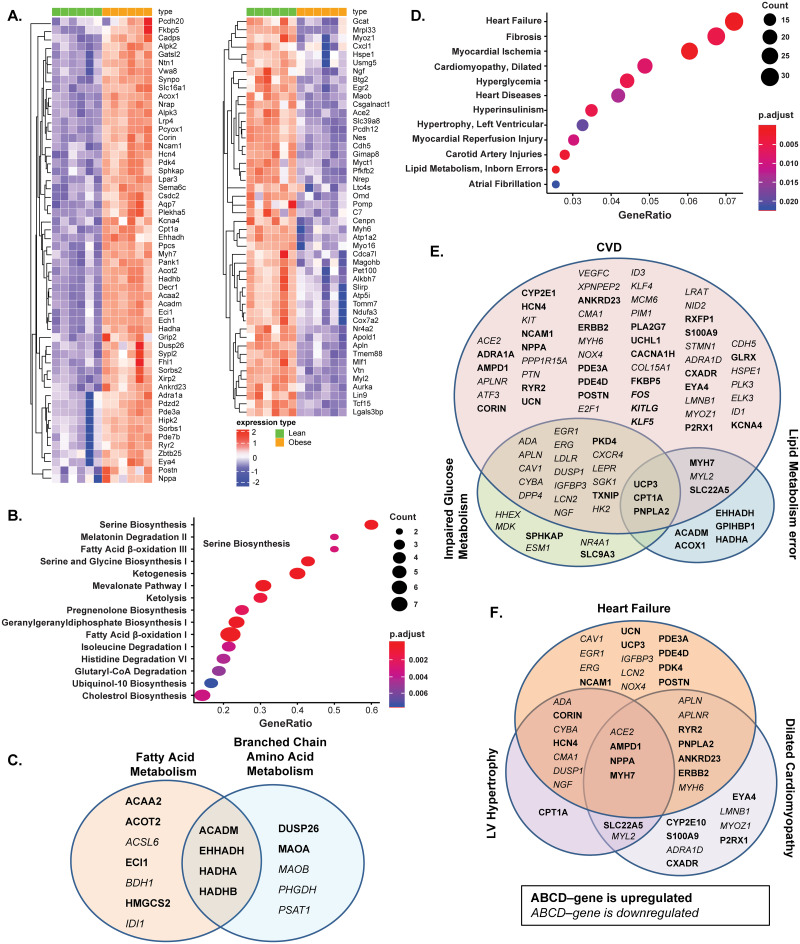
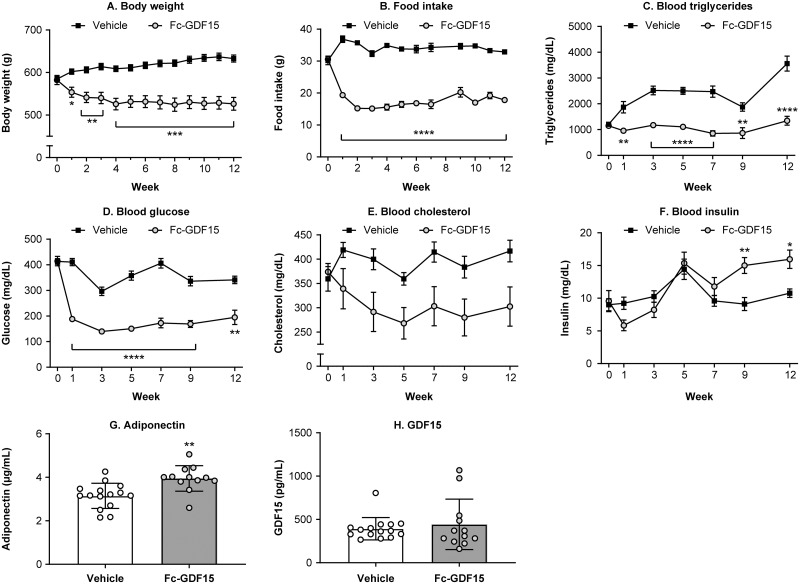
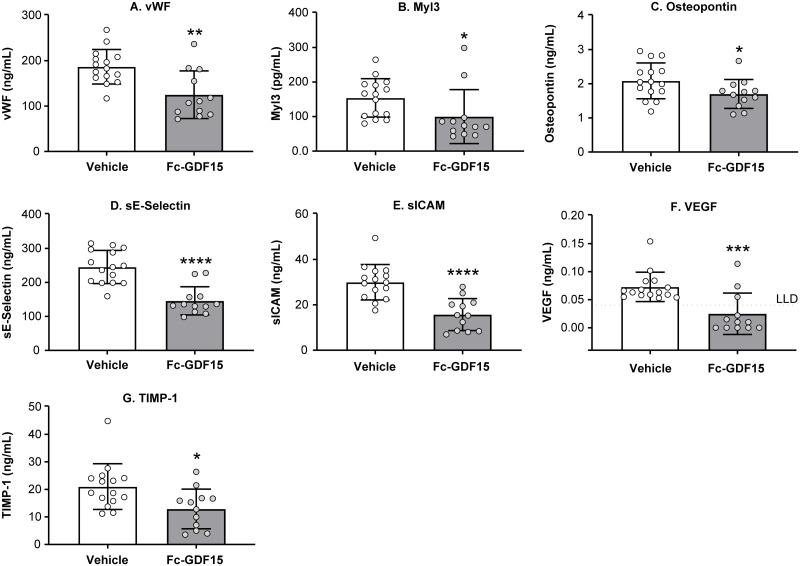
Cardiometabolic syndrome has become a global health issue. Heart failure is a common comorbidity of cardiometabolic syndrome. Successful drug development to prevent cardiometabolic syndrome and associated comorbidities requires preclinical models predictive of human conditions. To characterize the heart failure component of cardiometabolic syndrome, cardiometabolic, metabolic, and renal biomarkers were evaluated in lean and obese ZSF1 19- to 32-week-old male rats. Histopathological assessment of kidneys and hearts was performed. Cardiac function, exercise capacity, and left ventricular gene expression were also analyzed. Obese ZSF1 rats exhibited multiple features of human cardiometabolic syndrome by pathological changes in systemic renal, metabolic, and cardiovascular disease circulating biomarkers. Hemodynamic assessment, echocardiography, and decreased exercise capacity confirmed heart failure with preserved ejection fraction. RNA-seq results demonstrated changes in left ventricular gene expression associated with fatty acid and branched chain amino acid metabolism, cardiomyopathy, cardiac hypertrophy, and heart failure. Twelve weeks of growth differentiation factor 15 (GDF15) treatment significantly decreased body weight, food intake, blood glucose, and triglycerides and improved exercise capacity in obese ZSF1 males. Systemic cardiovascular injury markers were significantly lower in GDF15-treated obese ZSF1 rats. Obese ZSF1 male rats represent a preclinical model for human cardiometabolic syndrome with established heart failure with preserved ejection fraction. GDF15 treatment mediated dietary response and demonstrated a cardioprotective effect in obese ZSF1 rats.
心脏代谢综合征已成为一个全球性的健康问题。心力衰竭是心脏代谢综合征常见的合并症。成功开发预防心脏代谢综合征及相关合并症的药物需要能够预测人类情况的临床前模型。为了描述心脏代谢综合征中的心力衰竭成分,对19至32周龄的瘦型和肥胖型ZSF1雄性大鼠的心脏代谢、代谢和肾脏生物标志物进行了评估。对肾脏和心脏进行了组织病理学评估。还分析了心脏功能、运动能力和左心室基因表达。肥胖的ZSF1大鼠通过系统性肾脏、代谢和心血管疾病循环生物标志物的病理变化表现出人类心脏代谢综合征的多种特征。血流动力学评估、超声心动图和运动能力下降证实了射血分数保留的心力衰竭。RNA测序结果表明左心室基因表达发生了变化,这些变化与脂肪酸和支链氨基酸代谢、心肌病、心脏肥大和心力衰竭有关。12周的生长分化因子15(GDF15)治疗显著降低了肥胖ZSF1雄性大鼠的体重、食物摄入量、血糖和甘油三酯,并改善了运动能力。在接受GDF15治疗的肥胖ZSF1大鼠中,全身心血管损伤标志物显著降低。肥胖的ZSF1雄性大鼠代表了一种临床前模型,用于研究具有射血分数保留的已确诊心力衰竭的人类心脏代谢综合征。GDF15治疗介导了饮食反应,并在肥胖ZSF1大鼠中显示出心脏保护作用。