From the Abt Associates, Inc, Rockville, Maryland.
J Patient Saf. 2020 Sep;16(3S Suppl 1):S42-S47. doi: 10.1097/PTS.0000000000000722.
In this literature review, we discuss 2 system-level, nurse-targeted patient safety practices (PSPs) that aim to reduce medication errors associated with infusion pumps, including smart pumps. One practice focuses on implementing structured process changes and redesigning workflows to improve efficiencies with pump use. The other focuses on investing in initial and ongoing staff training on the correct use, maintenance, and monitoring of infusion pumps.
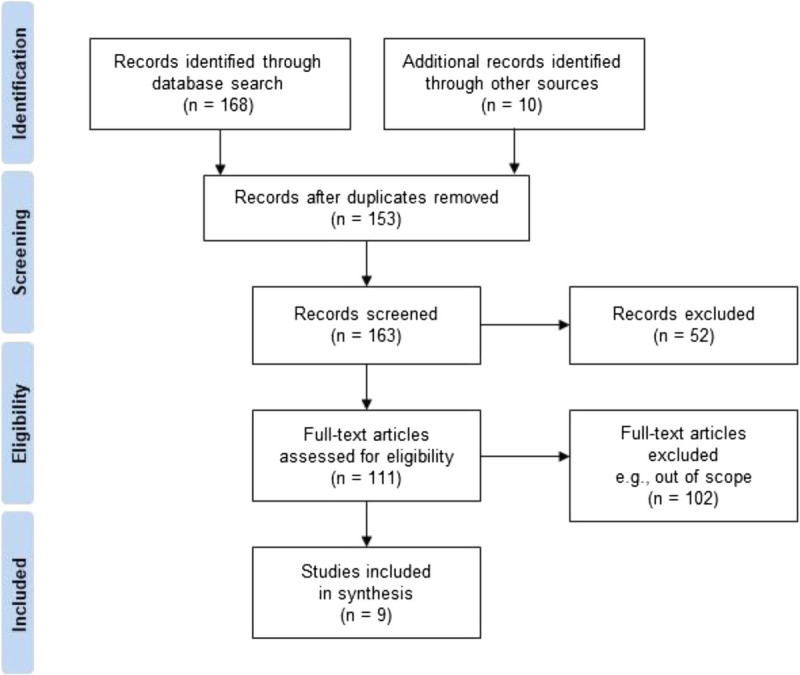
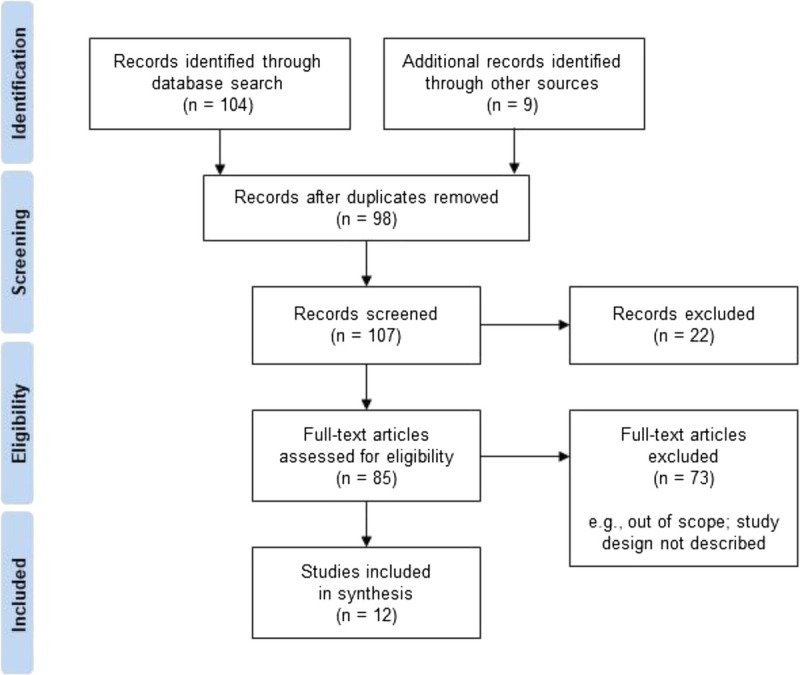
Two databases were searched for "infusion pumps" and related synonyms, along with relevant terms for each PSP. Articles were excluded if outcomes were not directly relevant to the PSP addressed in this review, the article was out of scope, or study design was insufficiently described.
Limited research was found on best practices for reducing errors and improving infusion pump use through workflow and process changes, as well as education and training. Four studies reported medication administration errors, procedural errors, or deviations from hospital policy as clinical outcomes of workflow or process changes. Mixed results were found examining process outcomes related to pump handling. Education on the correct use of smart pumps was found to decrease medication errors and adverse drug events, and 2 studies found an increase in nurses' adherence to using the medication safety software library as a result of education.
Standardization of process and integration of technology and workflows were found as facilitators. Type and content of education provided were identified as facilitators, whereas time and energy constraints on nurse educators can be barriers to implementing large hospital-wide education programs.
在本次文献回顾中,我们讨论了 2 种以护士为目标的系统层面的患者安全实践(PSP),旨在减少与输液泵相关的用药错误,包括智能输液泵。一种实践侧重于实施结构化的流程变更和重新设计工作流程,以提高输液泵使用效率。另一种实践侧重于投资于初始和持续的员工培训,以正确使用、维护和监测输液泵。
在两个数据库中搜索了“输液泵”和相关同义词,以及与每个 PSP 相关的术语。如果结果与本文所讨论的 PSP 不直接相关、文章范围之外或研究设计描述不充分,则排除了这些文章。
关于通过工作流程和流程变更以及教育和培训来减少错误和提高输液泵使用的最佳实践的研究有限。四项研究报告了用药错误、程序错误或偏离医院政策作为工作流程或流程变更的临床结果。在检查与泵处理相关的流程结果时,结果喜忧参半。关于正确使用智能输液泵的教育被发现可以减少用药错误和药物不良事件,并且有 2 项研究发现,由于教育,护士对使用药物安全软件库的依从性增加。
发现流程的标准化和技术与工作流程的整合是促进因素。所提供的教育的类型和内容被确定为促进因素,而护士教育者的时间和精力限制可能是实施大型全院范围教育计划的障碍。