Kong Boon Hong, Teoh Kean Hooi, Tan Nget Hong, Tan Chon Seng, Ng Szu Ting, Fung Shin Yee
Medicinal Mushroom Research Group, Department of Molecular Medicine, Faculty of Medicine, University of Malaya, Kuala Lumpur, Wilayah Persekutuan, Malaysia.
Department of Pathology, University of Malaya, Kuala Lumpur, Malaysia.
PeerJ. 2020 Aug 4;8:e9650. doi: 10.7717/peerj.9650. eCollection 2020.
, a recently discovered species of the unique family, has been traditionally used by the indigenous communities in Peninsular Malaysia to treat various ailments and as an alternative medicine for cancer treatment. The cultivar sclerotia (Ligno TG-K) was found to contain numerous bioactive compounds with beneficial biomedicinal properties and the sclerotial extract exhibited potent antioxidant activity. However, the anticancer property of the Ligno TG-K including in vitro and in vivo antitumor effects as well as its anticancer active compounds and the mechanisms has yet to be investigated.
The cytotoxicity of the Ligno TG-K against human breast (MCF7), prostate (PC3) and lung (A549) adenocarcinoma cell lines was evaluated using MTT cytotoxicity assay. The cytotoxic mechanisms of the active high molecular weight proteins (HMWp) fraction were investigated through detection of caspases activity and apoptotic-related proteins expression by Western blotting. The in vivo antitumor activity of the isolated HMWp was examined using MCF7 mouse xenograft model. Shotgun LC-MS/MS analysis was performed to identify the proteins in the HMWp.
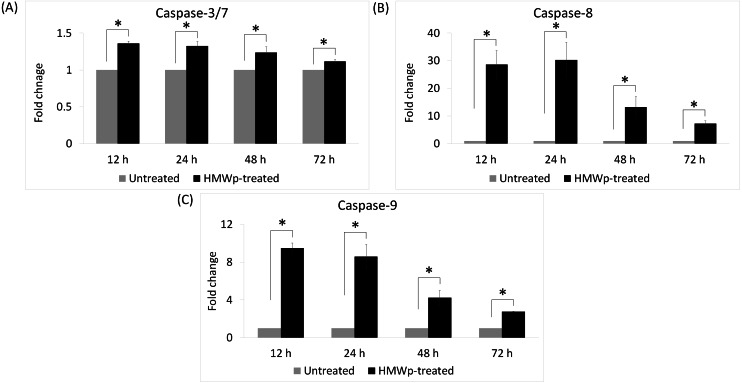
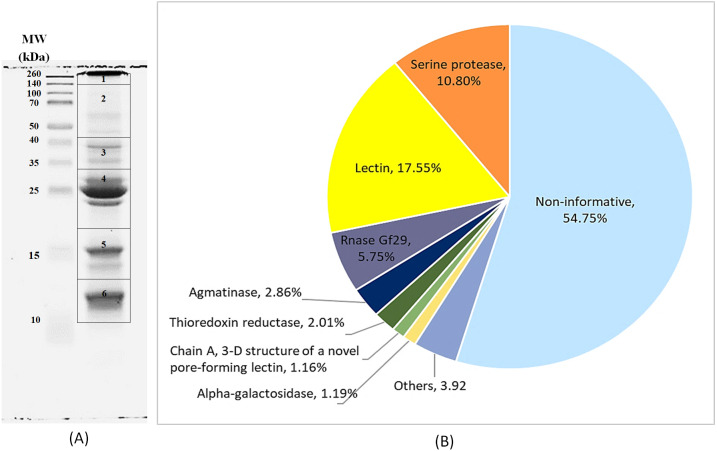
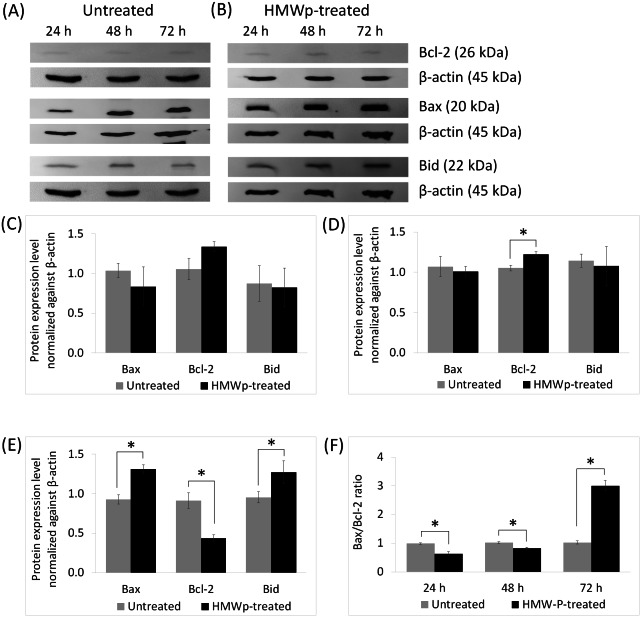
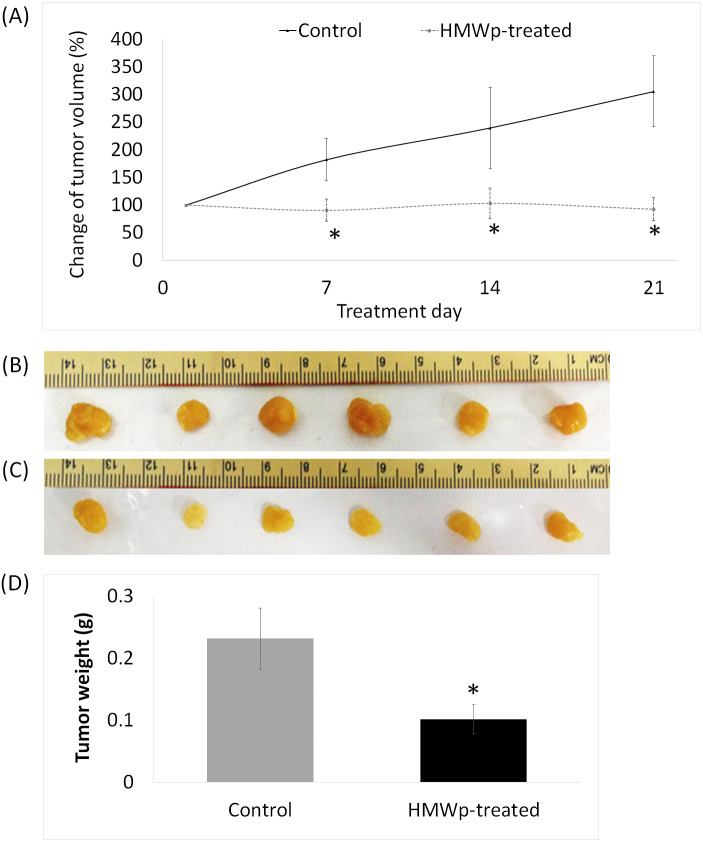
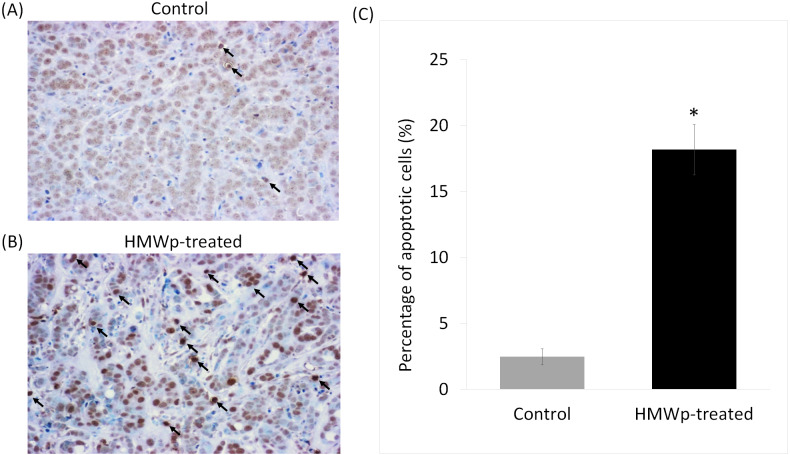
Cold water extract of the sclerotia inhibited proliferation of MCF7, A549 and PC3 cells with IC ranged from 28.9 to 95.0 µg/mL. Bioassay guided fractionation of the extract revealed that HMWp exhibited selective cytotoxicity against MCF7 cells via induction of cellular apoptosis by the activation of extrinsic and intrinsic signaling pathways. HMWp activated expression of caspase-8 and -9 enzymes, and pro-apoptotic Bax protein whilst inhibiting expression of tumor survivor protein, Bcl-2. HMWp induced tumor-cell apoptosis and suppressed growth of tumor in MCF-7 xenograft mice. Lectins, serine proteases, RNase Gf29 and a 230NA deoxyribonuclease are the major cytotoxic proteins that accounted for 55.93% of the HMWp.
The findings from this study provided scientific evidences to support the traditional use of the sclerotia for treatment of breast cancer. Several cytotoxic proteins with high abundance have been identified in the HMWp of the sclerotial extract and these proteins have potential to be developed into new anticancer agents or as adjunct cancer therapy.
[具体名称]是最近发现的独特[科名]家族的一个物种,马来西亚半岛的土著社区传统上一直用它来治疗各种疾病,并作为癌症治疗的替代药物。发现该品种菌核(Ligno TG-K)含有多种具有有益生物医学特性的生物活性化合物,菌核提取物表现出强大的抗氧化活性。然而,Ligno TG-K的抗癌特性,包括体外和体内抗肿瘤作用以及其抗癌活性化合物和作用机制尚未得到研究。
使用MTT细胞毒性测定法评估Ligno TG-K对人乳腺癌(MCF7)、前列腺癌(PC3)和肺癌(A549)腺癌细胞系的细胞毒性。通过蛋白质免疫印迹法检测半胱天冬酶活性和凋亡相关蛋白表达,研究活性高分子量蛋白(HMWp)组分的细胞毒性机制。使用MCF7小鼠异种移植模型检测分离出的HMWp的体内抗肿瘤活性。进行鸟枪法液相色谱-串联质谱分析以鉴定HMWp中的蛋白质。
菌核的冷水提取物抑制MCF7、A549和PC3细胞的增殖,IC范围为28.9至95.0μg/mL。提取物的生物测定导向分级分离表明,HMWp通过激活外在和内在信号通路诱导细胞凋亡,对MCF7细胞表现出选择性细胞毒性。HMWp激活半胱天冬酶-8和-9酶以及促凋亡Bax蛋白的表达,同时抑制肿瘤存活蛋白Bcl-2的表达。HMWp诱导肿瘤细胞凋亡并抑制MCF-7异种移植小鼠体内肿瘤的生长。凝集素、丝氨酸蛋白酶、RNase Gf29和一种230NA脱氧核糖核酸酶是主要的细胞毒性蛋白,占HMWp的55.93%。
本研究结果提供了科学证据,支持传统上使用该菌核治疗乳腺癌。在菌核提取物的HMWp中鉴定出了几种高丰度的细胞毒性蛋白,这些蛋白有潜力被开发成新的抗癌药物或作为辅助癌症治疗药物。