He Shanshan, Han Jie
Department of Environmental Science and Engineering, Xi'an Jiaotong University, Xi'an, 710049 People's Republic of China.
Environ Chem Lett. 2021;19(1):17-24. doi: 10.1007/s10311-020-01069-8. Epub 2020 Aug 7.
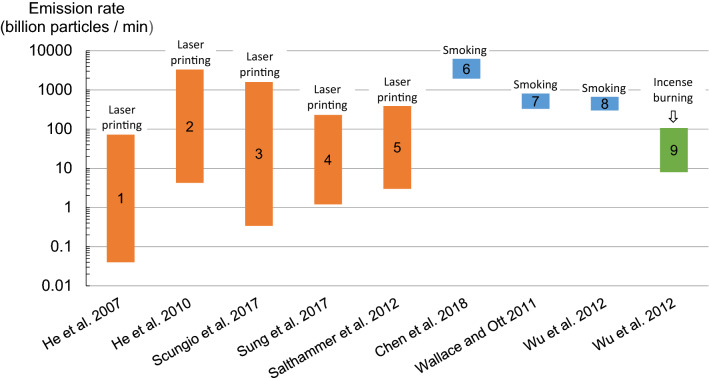
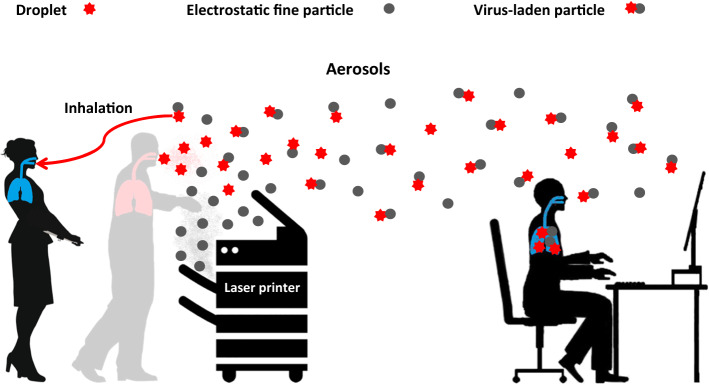
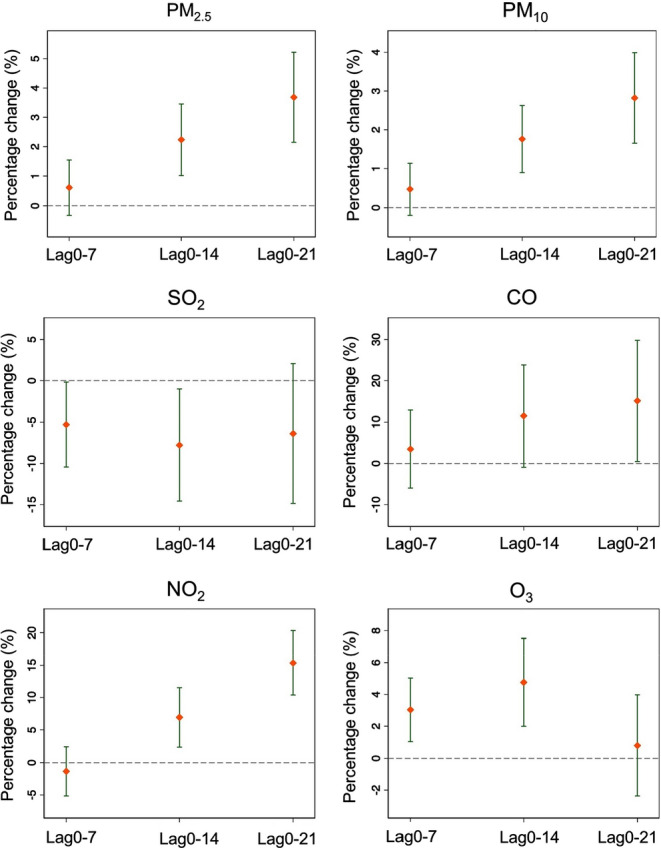
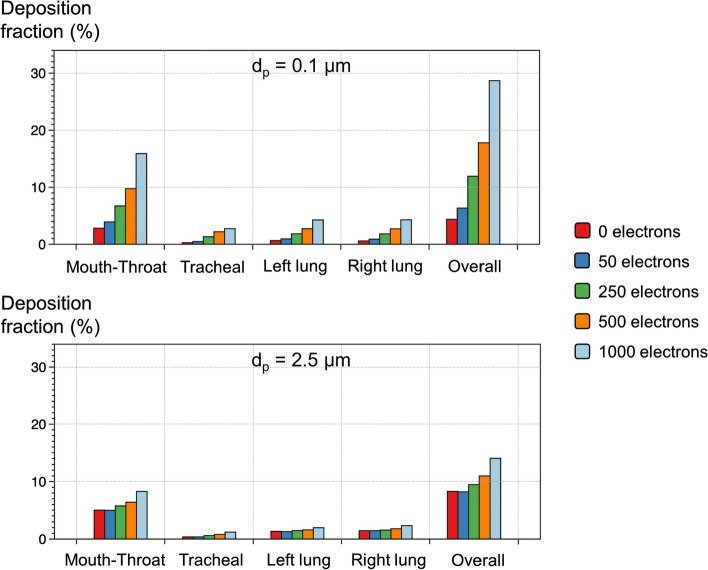
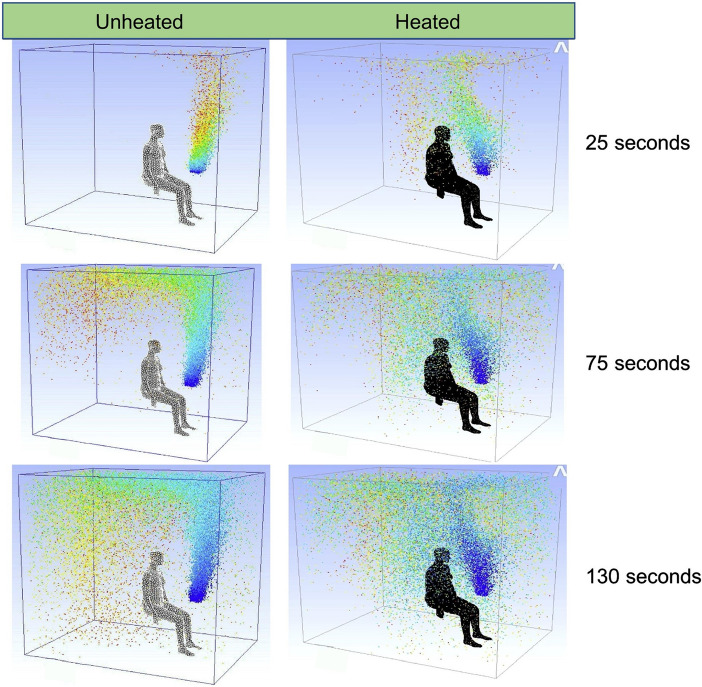
The COVID-19 pandemic caused by the severe acute respiratory syndrome coronavirus 2 (SARS-CoV-2) has infected more than 14 million people globally. Recently, airborne transmission has been postulated to be a major contributor to the spread of the novel coronavirus, especially in enclosed public spaces. While many studies have demonstrated positive correlations between atmospheric pollutants and SARS-CoV-2 infection, the impact of indoor air pollutants on airborne transmission has been largely overlooked. In particular, laser printers are a primary source of particle emission that increases the concentrations of particulate matter in indoor atmosphere by releasing substantial quantities of electrostatic fine particles, at rates comparable with tobacco smoking and incense burning. We hypothesized that particles emitted from laser printers present a potential risk factor for the transmission of SARS-CoV-2 in offices and other indoor environments with high user occupancy. To test this hypothesis, we reviewed recent knowledge on the characteristics of particles emitted by laser printing, including their emission rates and accumulation in indoor air, electrostatic charges, localized emission and subsequent particle diffusion in relation to the human breathing zone. We then discuss the potential impact on the transmission of SAR-CoV-2 in indoor spaces. We found that emission rates from laser printers ranged from 10 to 10 particles min, and these fine particles typically remain suspended for prolonged periods in indoor air. Electrostatic charges carried by these particles can reach 260-379 e per particle, thus enhancing their surface adsorption and deposition in human airways. Localized emission by laser printers and subsequent diffusion highly increase particle concentrations near the human breathing zone.
由严重急性呼吸综合征冠状病毒2(SARS-CoV-2)引起的COVID-19大流行已在全球感染了超过1400万人。最近,空气传播被认为是新型冠状病毒传播的主要因素,尤其是在封闭的公共场所。虽然许多研究表明大气污染物与SARS-CoV-2感染之间存在正相关,但室内空气污染物对空气传播的影响在很大程度上被忽视了。特别是,激光打印机是颗粒物排放的主要来源,通过释放大量静电细颗粒物,其排放速率与吸烟和焚香相当,从而增加了室内大气中颗粒物的浓度。我们假设,在办公场所和其他人员密集的室内环境中,激光打印机排放的颗粒物是SARS-CoV-2传播的一个潜在风险因素。为了验证这一假设,我们回顾了有关激光打印排放颗粒物特性的最新知识,包括其排放速率、在室内空气中的积累、静电荷、局部排放以及随后在人体呼吸区域的颗粒物扩散。然后,我们讨论了其对SARS-CoV-2在室内空间传播的潜在影响。我们发现,激光打印机的排放速率为每分钟10至10个颗粒,这些细颗粒通常会在室内空气中长时间悬浮。这些颗粒携带的静电荷可达每个颗粒260 - 379电子,从而增强了它们在人体气道中的表面吸附和沉积。激光打印机的局部排放以及随后的扩散极大地增加了人体呼吸区域附近的颗粒物浓度。