Ahmed Taha, Lodhi Samra Haroon, Kapadia Samir, Shah Gautam V
Department of Internal Medicine, Cleveland Clinic Foundation, Cleveland, Ohio, USA
Department of Internal Medicine, King Edward Medical University, Lahore, Pakistan.
BMJ Case Rep. 2020 Aug 25;13(8):e237817. doi: 10.1136/bcr-2020-237817.
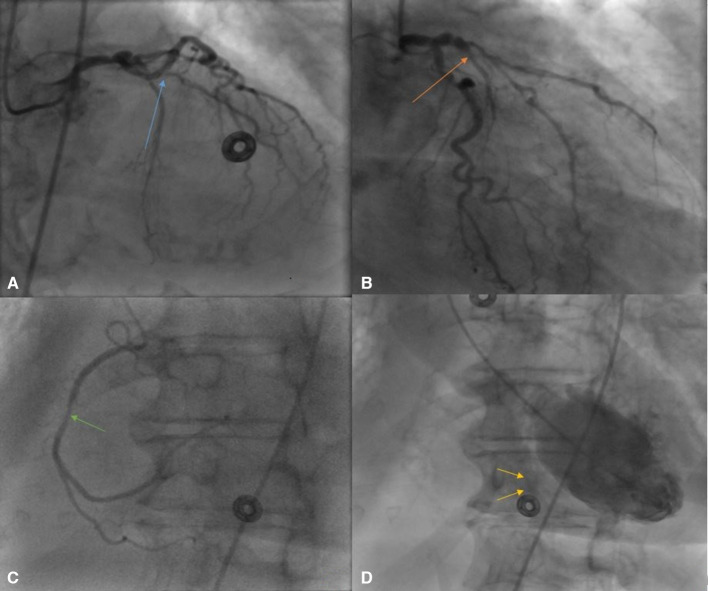
The current COVID-19 crisis has significantly impacted healthcare systems worldwide. There has been a palpable increase in public avoidance of hospitals, which has interfered in timely care of critical cardiovascular conditions. Complications from late presentation of myocardial infarction, which had become a rarity, resurfaced during the pandemic. We present two such encounters that occurred due to delay in seeking medical care following myocardial infarction due to the fear of contracting COVID-19 in the hospital. Moreover, a comprehensive review of literature is performed to illustrate the potential factors delaying and decreasing timely presentations and interventions for time-dependent medical emergencies like ST-segment elevation myocardial infarction (STEMI). We emphasise that clinicians should remain vigilant of encountering rare and catastrophic complications of STEMI during this current era of COVID-19 pandemic.
当前的新冠疫情危机对全球医疗系统产生了重大影响。公众对医院的回避明显增加,这干扰了对严重心血管疾病的及时治疗。心肌梗死延迟就诊的并发症在疫情期间再次出现,而这种并发症此前已较为罕见。我们介绍两例因担心在医院感染新冠病毒而延迟寻求心肌梗死医疗救治后发生的此类情况。此外,我们还进行了全面的文献综述,以阐明导致像ST段抬高型心肌梗死(STEMI)这类时间依赖性医疗急症延迟就诊和减少及时干预的潜在因素。我们强调,在当前新冠疫情时代,临床医生应保持警惕,注意STEMI罕见且灾难性并发症的发生。