Funk Colin D, Ardakani Ali
Department of Biomedical and Molecular Sciences, Queen's University, Kingston, ON, Canada.
Scientific Research Division, Novateur Ventures Inc., Vancouver, BC, Canada.
Front Pharmacol. 2020 Aug 6;11:1214. doi: 10.3389/fphar.2020.01214. eCollection 2020.
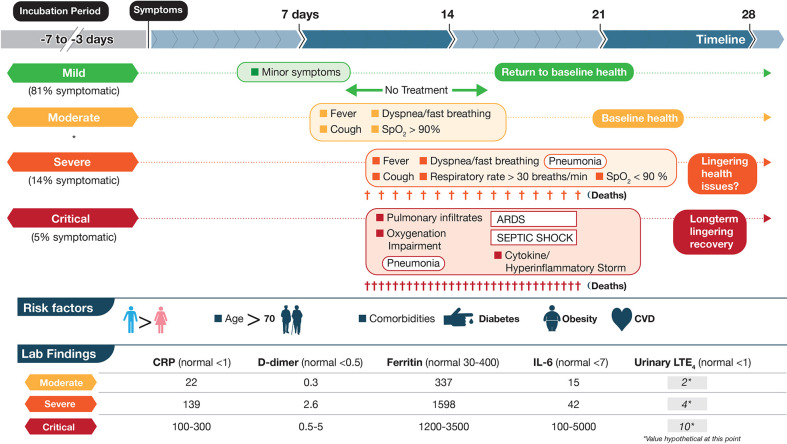
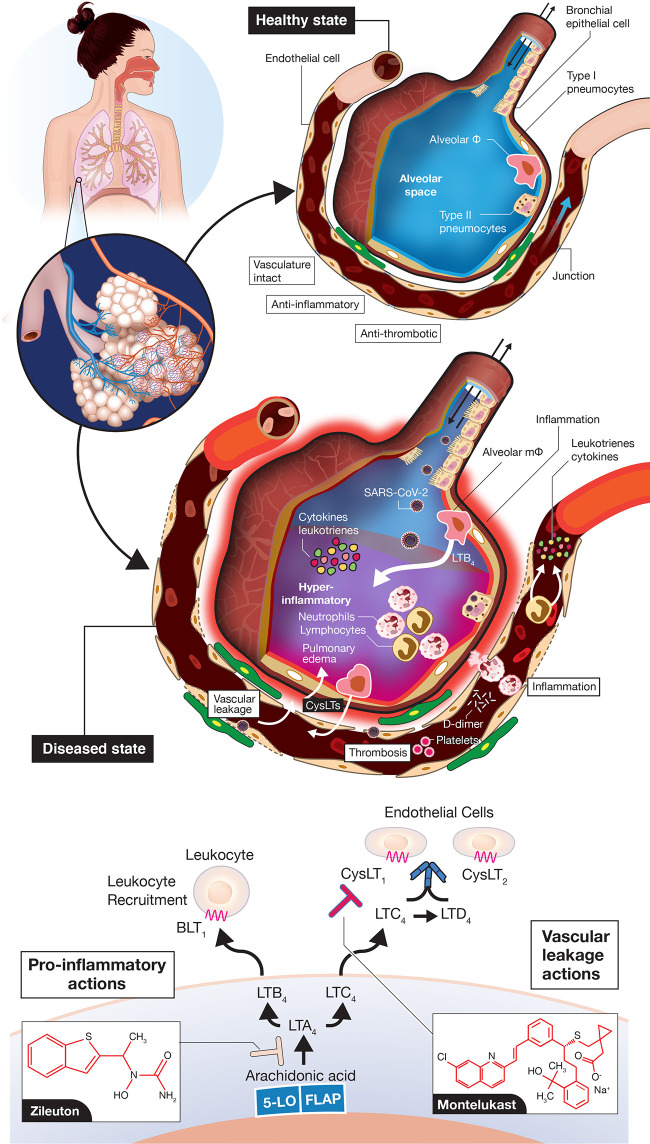
SARS-CoV-2 causing coronavirus disease 2019 (COVID-19) has wreaked havoc during the global pandemic of 2020 infecting millions and leaving over a half million dead. As a new virus, not previously in the human population, but with similarities to other coronaviruses causing severe acute respiratory distress syndrome (SARS/ARDS), and no known treatments, the race to re-purpose existing drugs and to enlist novel therapeutics is underway. In the half-year since the first cases, we have acquired substantial knowledge of this virus and the clinical course of COVID-19 progression. Results from early clinical trials have revealed two treatments (remdesivir, dexamethasone) that mitigate disease progression but clearly, there is much room for improvement. Initial case reports indicated many succumb to COVID-19 of hypoxic respiratory failure due to ARDS. However, ensuing studies revealed an atypical, immune cell-sequestered, vasculature-inflamed state leading to multiorgan thrombotic complications and end organ failure likely due to hyperinflammatory host responses. This Perspective focuses on a potential mechanism for a key COVID-19 disease progression turning point related to vascular and airway inflammation. The leukotriene lipid mediators have been overlooked with discussion centering on cytokine storms unleashing the deadly form of COVID-19. Leukotrienes possess some of the most potent known activities on immune cell trafficking and vascular leakage. We offer a simple treatment paradigm using two generic drugs targeting the hyperinflammatory response that characterizes the turning point from mild to severe/critical COVID-19 by targeting leukotriene biosynthesis with zileuton (Zyflo controlled release formulation) and antagonism of the cysteinyl leukotriene 1 receptor with montelukast (Singulair).
导致2019冠状病毒病(COVID-19)的严重急性呼吸综合征冠状病毒2(SARS-CoV-2)在2020年全球大流行期间造成了巨大破坏,感染了数百万人,导致超过50万人死亡。作为一种此前未在人类群体中出现过的新型病毒,但与其他导致严重急性呼吸窘迫综合征(SARS/ARDS)的冠状病毒有相似之处,且尚无已知治疗方法,重新利用现有药物并寻求新型疗法的竞赛正在进行。自首例病例出现后的半年里,我们已经获得了关于这种病毒以及COVID-19病程的大量知识。早期临床试验结果显示有两种治疗方法(瑞德西韦、地塞米松)可减轻疾病进展,但显然仍有很大的改进空间。最初的病例报告表明,许多人死于因ARDS导致的低氧性呼吸衰竭。然而,随后的研究揭示了一种非典型的、免疫细胞隔离的、血管炎症状态,导致多器官血栓形成并发症和终末器官衰竭,这可能是由于宿主的过度炎症反应。本观点聚焦于与血管和气道炎症相关的COVID-19疾病进展关键转折点的潜在机制。白三烯脂质介质一直被忽视,讨论主要集中在引发COVID-19致命形式的细胞因子风暴上。白三烯在免疫细胞转运和血管渗漏方面具有一些已知的最强大作用。我们提供一种简单的治疗模式,使用两种通用药物来靶向过度炎症反应,这种过度炎症反应是COVID-19从轻度转变为重度/危重型的转折点,通过使用齐留通(Zyflo控释制剂)靶向白三烯生物合成,以及使用孟鲁司特(顺尔宁)拮抗半胱氨酰白三烯1受体。