Department of Plastic Surgery, The First Hospital of China Medical University, Shenyang, China.
Department of Breast Surgery, Shengjing Hospital of China Medical University, Shenyang, China.
Front Immunol. 2020 Jul 28;11:1076. doi: 10.3389/fimmu.2020.01076. eCollection 2020.
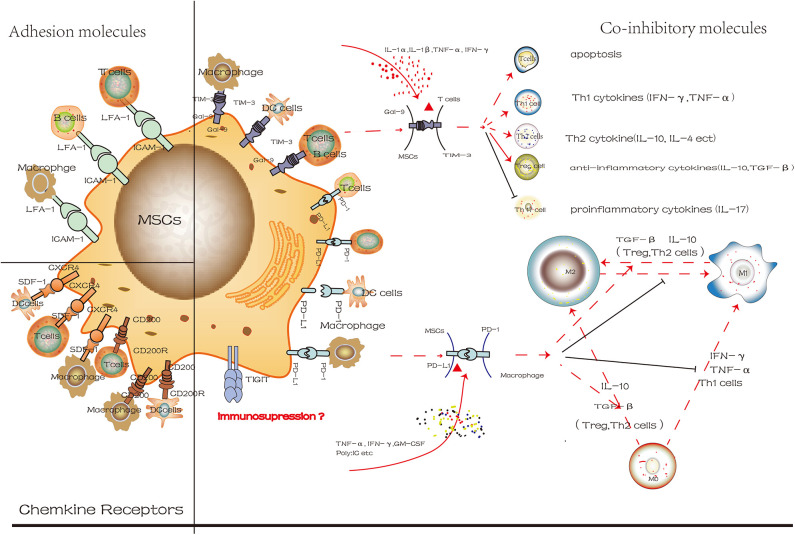
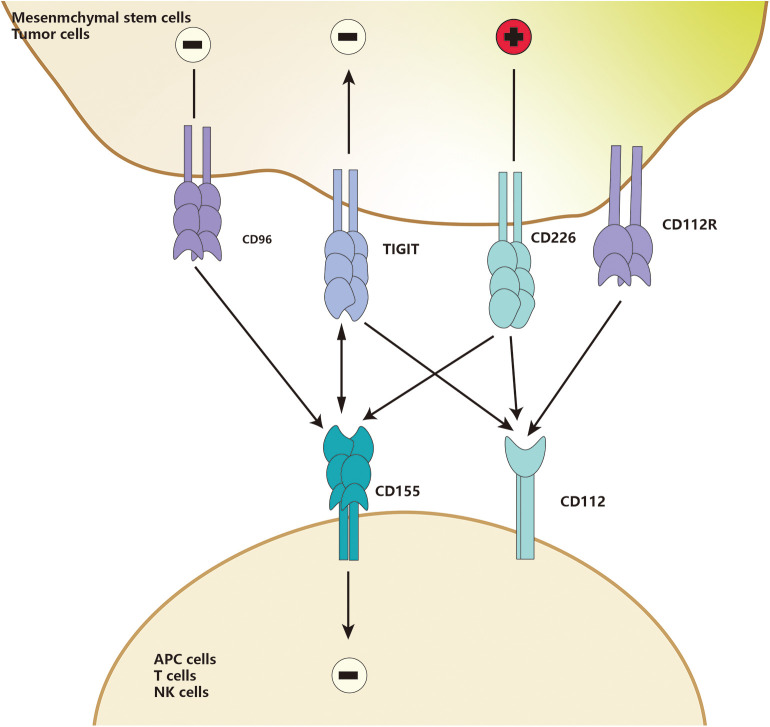
In the past decade, mesenchymal stem cells (MSCs) tend to exhibit inherent tropism for refractory inflammatory diseases and engineered MSCs have appeared on the market as therapeutic agents. Recently, engineered MSCs target to cell surface molecules on immune cells has been a new strategy to improve MSC applications. In this review, we discuss the roles of multiple receptors (ICAM-1, Gal-9, PD-L1, TIGIT, CD200, and CXCR4) in the process of MSCs' immunosuppressive properties. Furthermore, we discuss the principles and strategies for developing receptor-regulated MSCs and their mechanisms of action and the challenges of using MSCs as immunosuppressive therapies.
在过去的十年中,间充质干细胞(MSCs)倾向于表现出对难治性炎症性疾病的固有趋向性,并且工程化 MSCs 已经作为治疗剂出现在市场上。最近,针对免疫细胞表面分子的工程化 MSCs 已成为改善 MSC 应用的新策略。在这篇综述中,我们讨论了多种受体(ICAM-1、Gal-9、PD-L1、TIGIT、CD200 和 CXCR4)在 MSC 免疫抑制特性过程中的作用。此外,我们还讨论了开发受受体调节的 MSC 的原则和策略,以及它们的作用机制和将 MSC 用作免疫抑制疗法的挑战。