Chauhan Ankur, Jakhar Suresh Kumar, Chauhan Chetna
Indian Institute of Management Bodh Gaya, Bihar, India.
Indian Institute of Management Lucknow, Uttar Pradesh, India.
J Clean Prod. 2021 Jan 10;279:123854. doi: 10.1016/j.jclepro.2020.123854. Epub 2020 Aug 22.
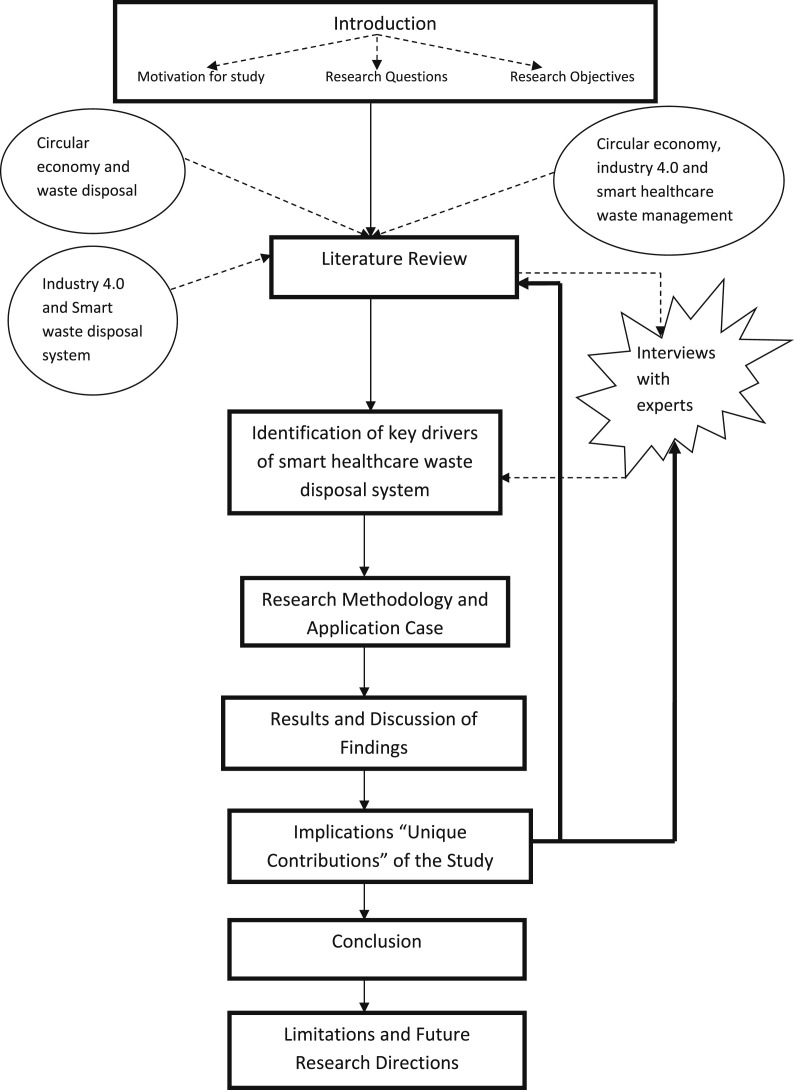
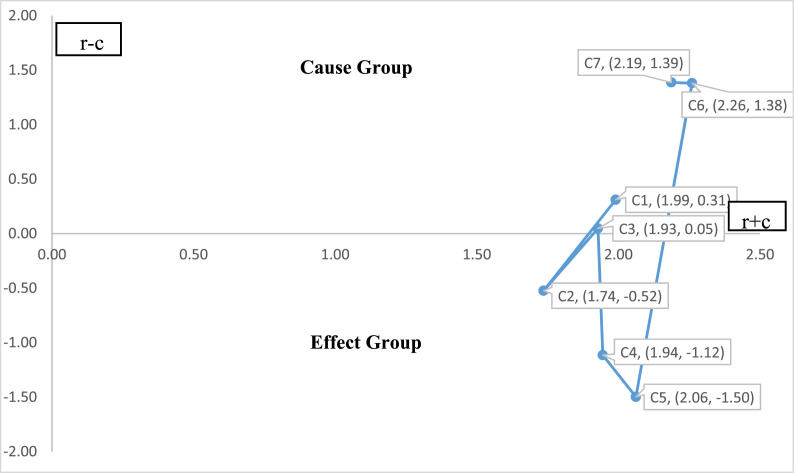
Generation of healthcare waste from different patient care activities in hospitals, pathology labs and research centres has been a matter of great concern for environmental and social bodies across the world. This concern comes from its infectious and hazardous nature which brings life taking disease such as human immunodeficiency virus and Hepatitis-B. Moreover, with the outbreak of corona virus disease 2019 (COVID-19) pandemic across the world, healthcare waste has become even more infectious like never before and showing its potential for claiming lives if not disposed properly. Additionally, the COVID-19 has put up another challenge in terms of exponentially increasing demand for personal protective equipments for healthcare workers such as doctors, nurses, ward boys, and sanitation workers. In this paper, seven criteria related to smart healthcare waste disposal system infused by circular economy aspects to recover value from disposables are identified and analysed using a decision making trial and evaluation laboratory (DEMATEL) method. The criteria have been prioritized by its importance and net cause and effect relationship through a causal diagram. Two criteria, (i) digitally connected healthcare centres, waste disposal firms and pollution control board, and (ii) providing a pollution control board's feedback app to public and other stakeholders, feature as strong reasons for a smart healthcare waste disposal system. Conclusively, this study provides a causal relationship model among the intertwined drivers of industry 4.0 and circular economy for developing a smart healthcare waste disposal system enriched with the benefits of circular economy.
医院、病理实验室和研究中心不同患者护理活动产生的医疗废物,一直是全球环境和社会机构极为关注的问题。这种担忧源于其传染性和危险性,它会引发诸如人类免疫缺陷病毒和乙型肝炎等致命疾病。此外,随着2019年冠状病毒病(COVID-19)在全球爆发,医疗废物的传染性比以往任何时候都更强,如果处理不当,还会显示出其致命的可能性。此外,COVID-19在对医生、护士、病房勤杂工和卫生工作者等医护人员的个人防护设备需求呈指数级增长方面提出了另一个挑战。本文确定并使用决策试验与评价实验室(DEMATEL)方法分析了与智能医疗废物处理系统相关的七个标准,该系统融入循环经济理念以从一次性用品中回收价值。通过因果图,根据这些标准的重要性以及净因果关系对其进行了优先级排序。两个标准,(i)医疗中心、废物处理公司和污染控制委员会实现数字连接,以及(ii)向公众和其他利益相关者提供污染控制委员会的反馈应用程序,是智能医疗废物处理系统的有力理由。总之,本研究为工业4.0和循环经济的相互交织的驱动因素之间提供了一个因果关系模型,以开发一个具有循环经济优势的智能医疗废物处理系统。