Department of Electronics, Information and Bioengineering, Politecnico di Milano, Milan, Italy.
Department of Mechanical Engineering, Imperial College, London, UK.
Ann Biomed Eng. 2021 Feb;49(2):689-702. doi: 10.1007/s10439-020-02598-7. Epub 2020 Sep 3.
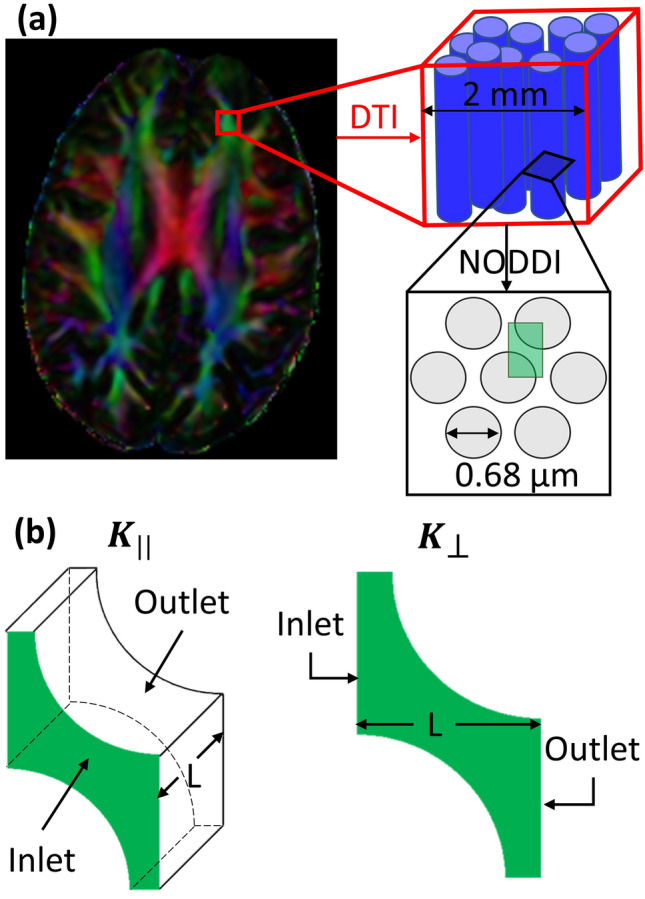
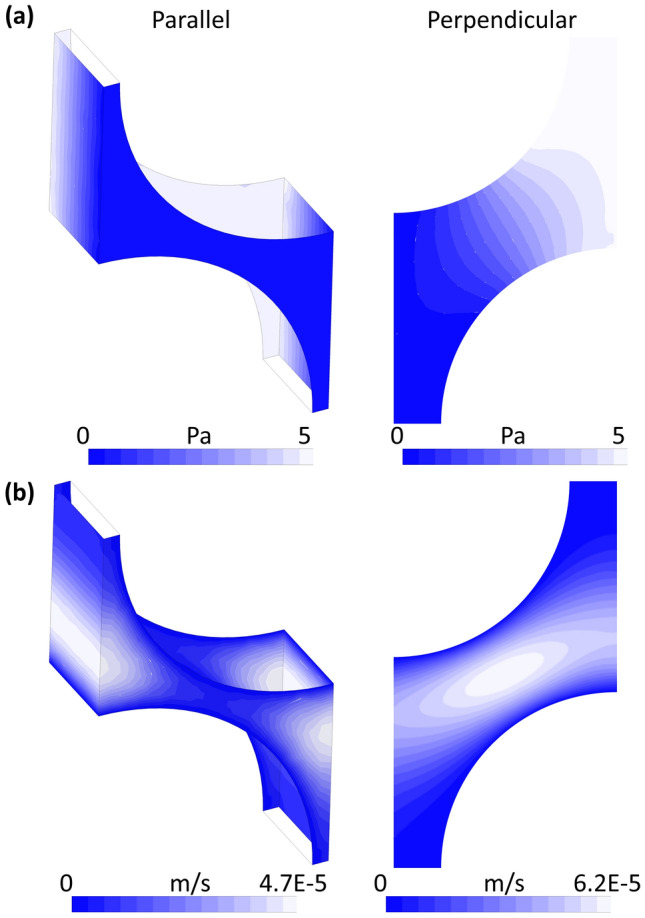
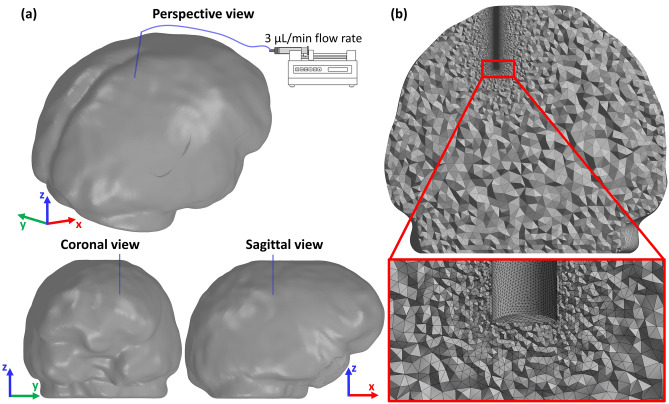
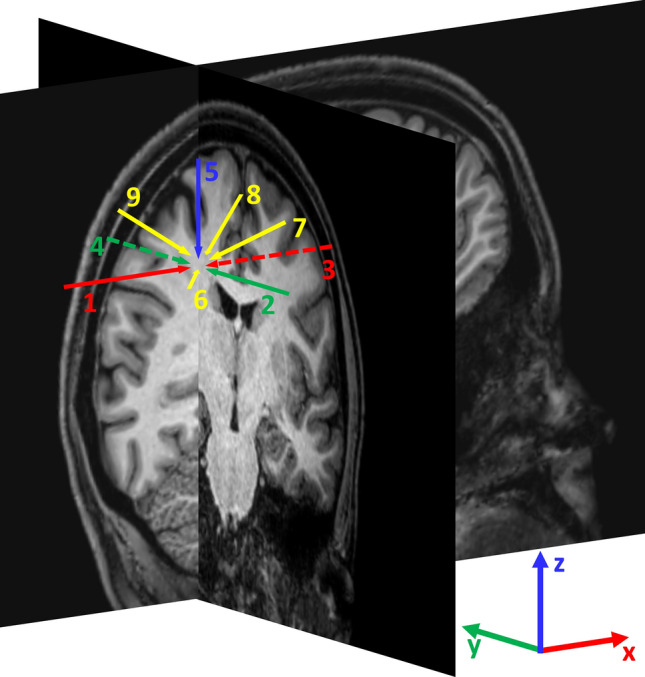
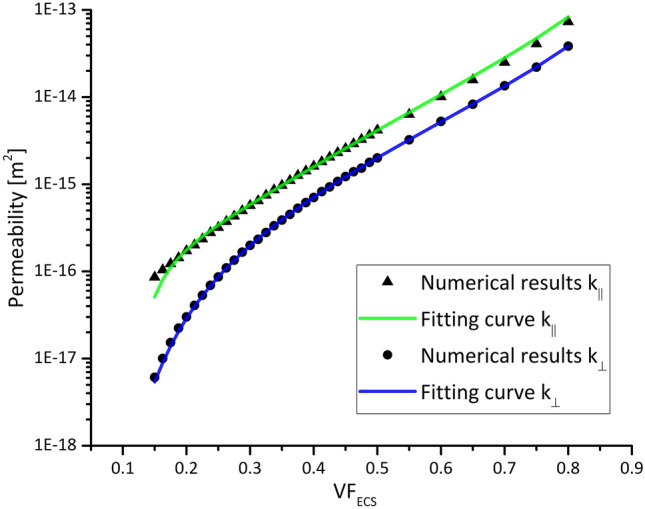
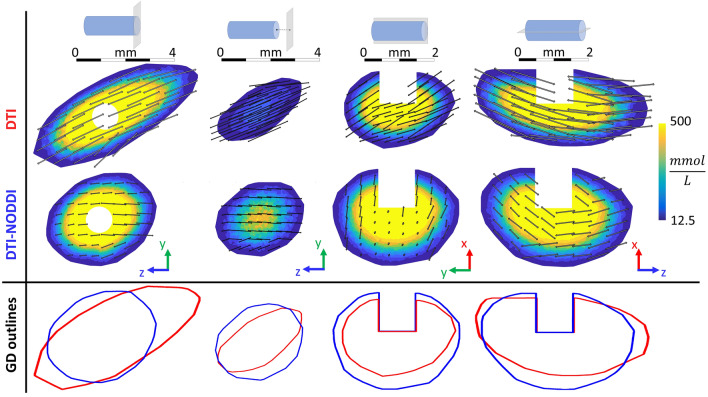
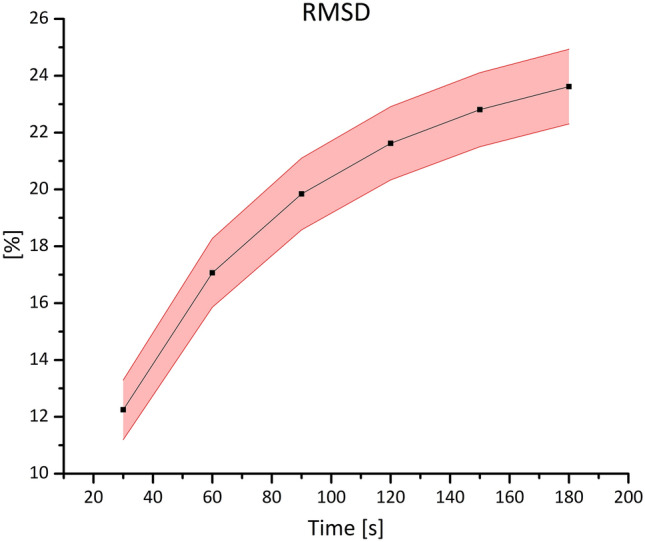
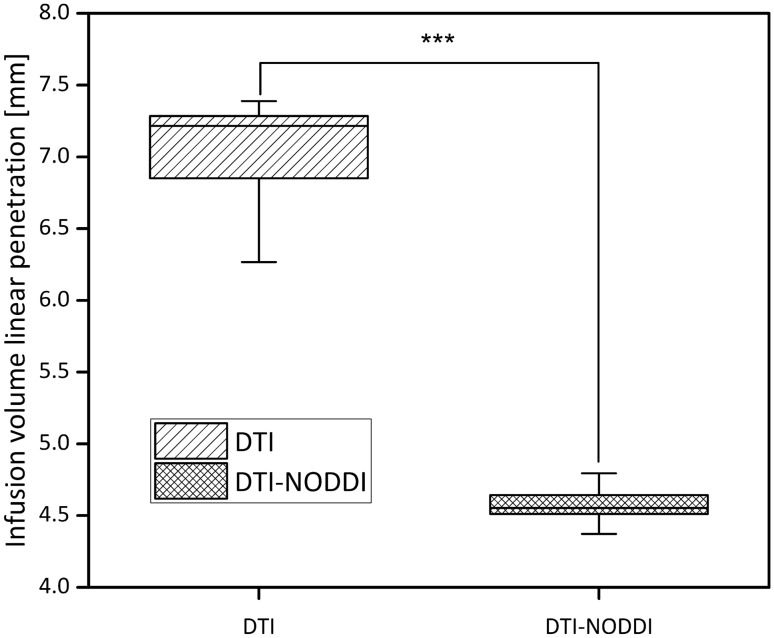
This paper aims to develop a comprehensive and subject-specific model to predict the drug reach in Convection-Enhanced Delivery (CED) interventions. To this end, we make use of an advance diffusion imaging technique, namely the Neurite Orientation Dispersion and Density Imaging (NODDI), to incorporate a more precise description of the brain microstructure into predictive computational models. The NODDI dataset is used to obtain a voxel-based quantification of the extracellular space volume fraction that we relate to the white matter (WM) permeability. Since the WM can be considered as a transversally isotropic porous medium, two equations, respectively for permeability parallel and perpendicular to the axons, are derived from a numerical analysis on a simplified geometrical model that reproduces flow through fibre bundles. This is followed by the simulation of the injection of a drug in a WM area of the brain and direct comparison of the outcomes of our results with a state-of-the-art model, which uses conventional diffusion tensor imaging. We demonstrate the relevance of the work by showing the impact of our newly derived permeability tensor on the predicted drug distribution, which differs significantly from the alternative model in terms of distribution shape, concentration profile and infusion linear penetration length.
本文旨在开发一种全面且针对特定主题的模型,以预测对流增强递送 (CED) 干预中的药物到达情况。为此,我们利用一种先进的扩散成像技术,即神经突方向分散和密度成像 (NODDI),将更精确的大脑微观结构描述纳入预测计算模型中。使用 NODDI 数据集获得基于体素的细胞外空间体积分数的定量,我们将其与白质 (WM) 通透性相关联。由于 WM 可被视为各向同性多孔介质,因此我们从简化的几何模型的数值分析中推导出两个分别与轴突平行和垂直的渗透率方程,该模型再现了纤维束中的流动。随后,在大脑 WM 区域模拟注射药物,并将我们的结果与使用传统扩散张量成像的最先进模型进行直接比较。我们通过展示新推导出的渗透率张量对预测药物分布的影响,证明了这项工作的相关性,与替代模型相比,药物分布的形状、浓度分布和注入线性穿透长度存在显著差异。