Institute of Biomedical Sciences, Academia Sinica, Taipei, 115, Taiwan.
School of Pharmacy, College of Medicine, National Taiwan University, Taipei, 100, Taiwan.
J Biomed Sci. 2020 Sep 4;27(1):92. doi: 10.1186/s12929-020-00682-7.
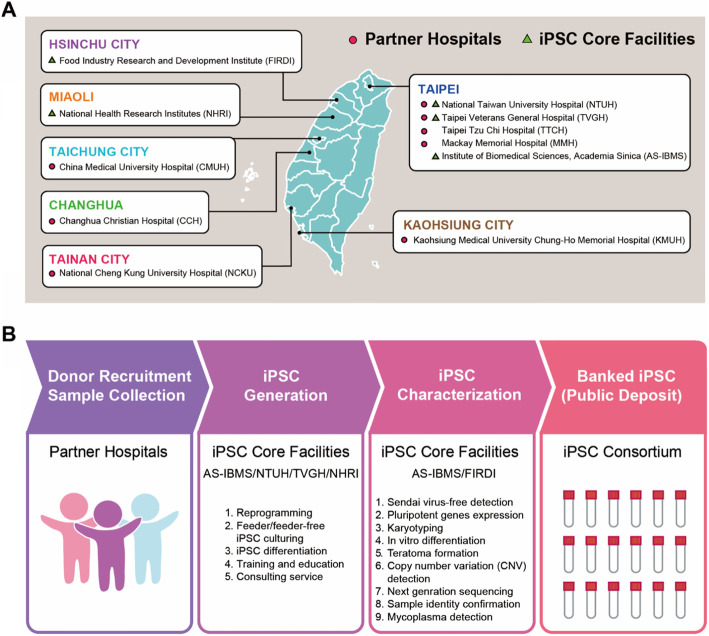
The Taiwan Human Disease iPSC Service Consortium was established to accelerate Taiwan's growing stem cell research initiatives and provide a platform for researchers interested in utilizing induced pluripotent stem cell (iPSC) technology. The consortium has generated and characterized 83 iPSC lines: 11 normal and 72 disease iPSC lines covering 21 different diseases, several of which are of high incidence in Taiwan. Whether there are any reprogramming-induced recurrent copy number variant (CNV) hotspots in iPSCs is still largely unknown.
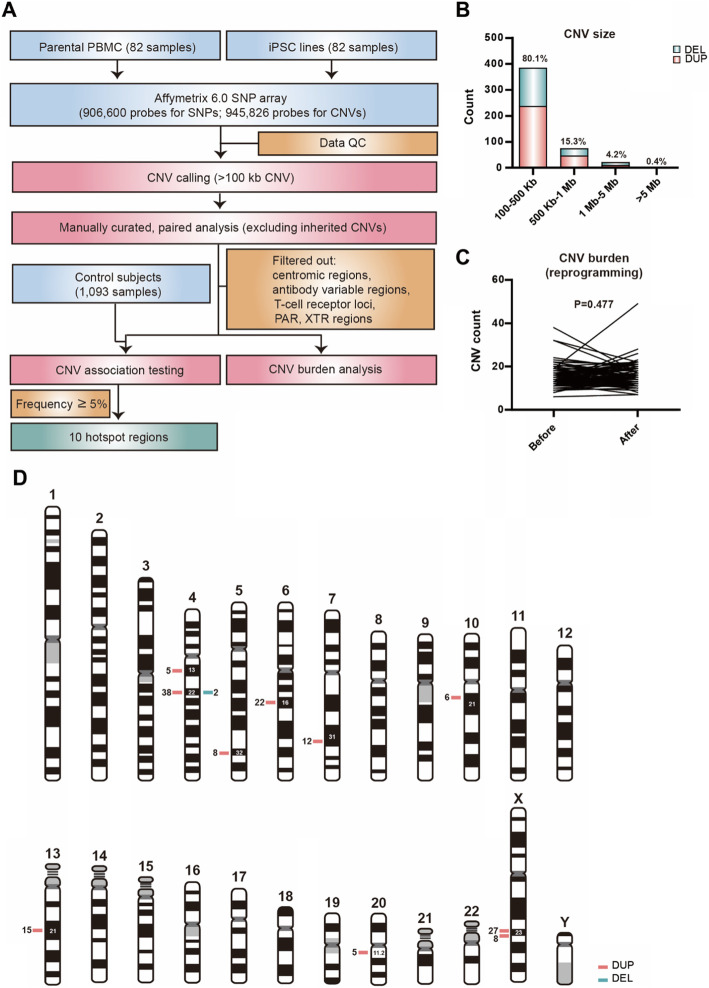
We performed genome-wide copy number variant screening of 83 Han Taiwanese iPSC lines and compared them with 1093 control subjects using an Affymetrix genome-wide human SNP array.
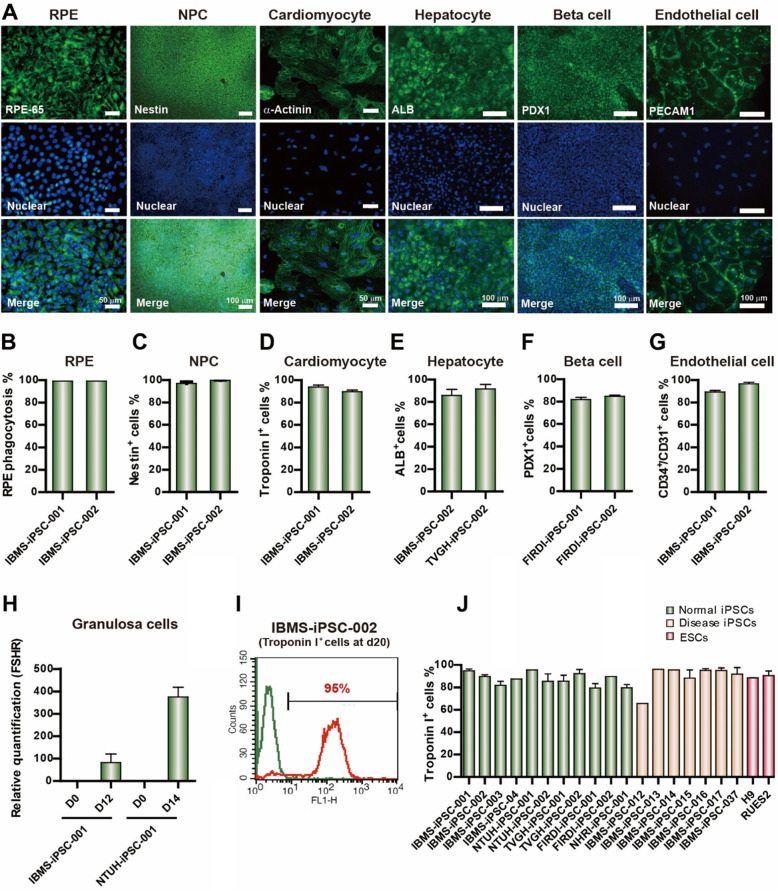
In the iPSCs, we identified ten specific CNV loci and seven "polymorphic" CNV regions that are associated with the reprogramming process. Additionally, we established several differentiation protocols for our iPSC lines. We demonstrated that our iPSC-derived cardiomyocytes respond to pharmacological agents and were successfully engrafted into the mouse myocardium demonstrating their potential application in cell therapy.
The CNV hotspots induced by cell reprogramming have successfully been identified in the current study. This finding may be used as a reference index for evaluating iPSC quality for future clinical applications. Our aim was to establish a national iPSC resource center generating iPSCs, made available to researchers, to benefit the stem cell community in Taiwan and throughout the world.
为了加速台湾不断发展的干细胞研究计划,并为有兴趣利用诱导多能干细胞(iPSC)技术的研究人员提供一个平台,成立了台湾人类疾病 iPSC 服务联盟。该联盟已经生成和鉴定了 83 条 iPSC 系:11 条正常和 72 条疾病 iPSC 系,涵盖 21 种不同疾病,其中一些在台湾的发病率较高。iPSC 中是否存在任何重编程诱导的反复拷贝数变异(CNV)热点在很大程度上仍不清楚。
我们对 83 条台湾汉族 iPSC 系进行了全基因组拷贝数变异筛查,并使用 Affymetrix 全基因组人类 SNP 芯片与 1093 名对照进行了比较。
在 iPSC 中,我们鉴定了十个特定的 CNV 位点和七个与重编程过程相关的“多态性”CNV 区域。此外,我们还建立了几种我们 iPSC 系的分化方案。我们证明了我们的 iPSC 衍生的心肌细胞对药物有反应,并成功地移植到小鼠心肌中,证明了它们在细胞治疗中的应用潜力。
在本研究中成功地鉴定了细胞重编程诱导的 CNV 热点。这一发现可作为未来临床应用中评估 iPSC 质量的参考指标。我们的目标是建立一个国家 iPSC 资源中心,生成 iPSC,并提供给研究人员,以造福于台湾和世界各地的干细胞社区。