Department of Cellular and Integrative Physiology, University of Nebraska Medical Center, Omaha, NE, United States.
Department of Cellular and Integrative Physiology, University of Nebraska Medical Center, Omaha, NE, United States.
Brain Behav Immun. 2020 Nov;90:279-285. doi: 10.1016/j.bbi.2020.08.031. Epub 2020 Sep 3.
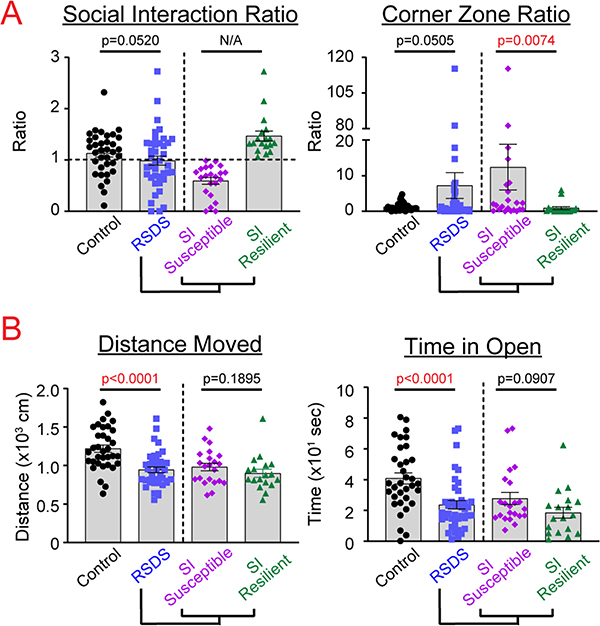
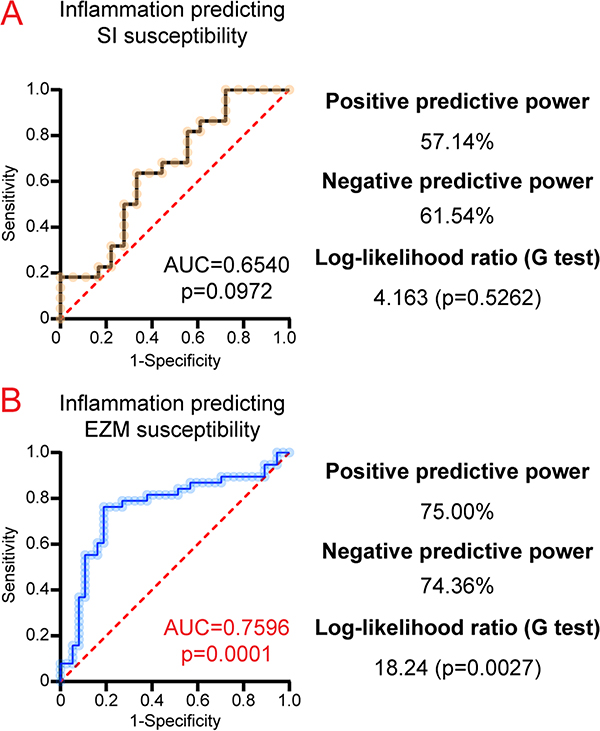
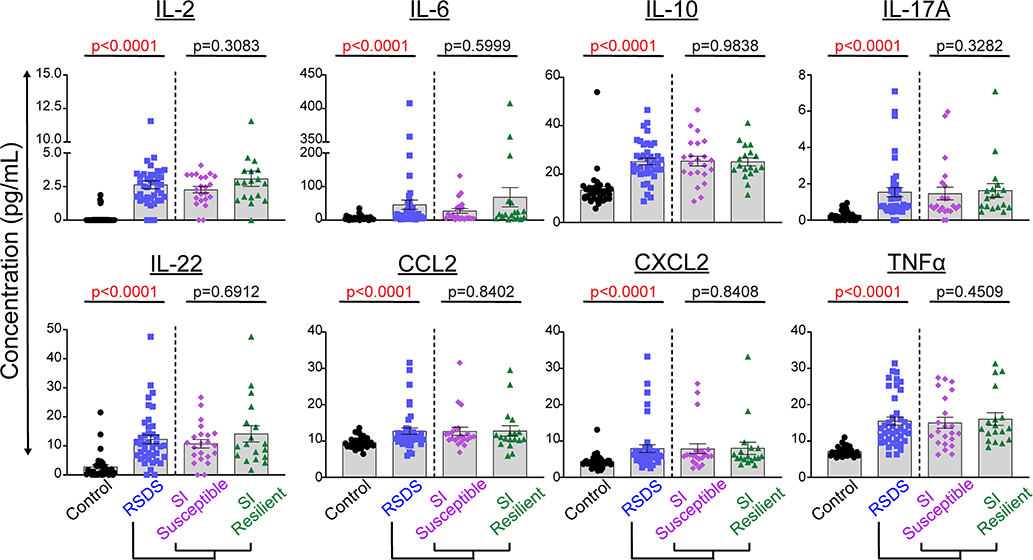
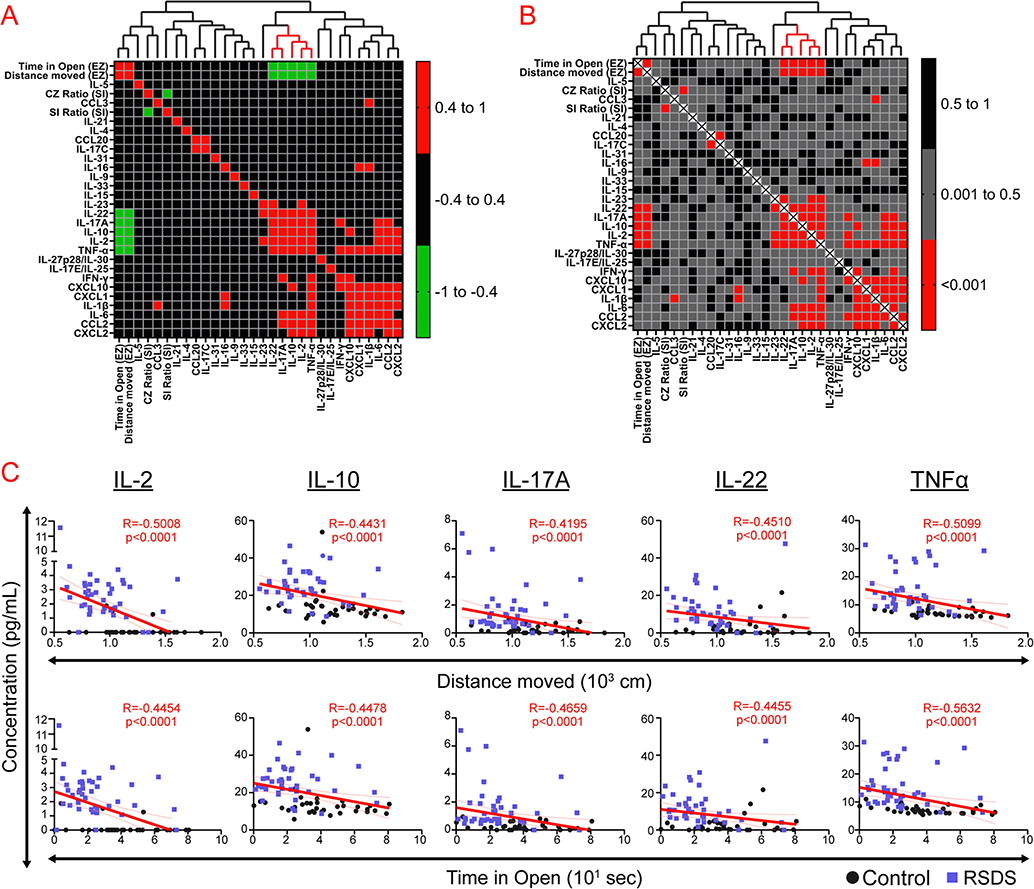
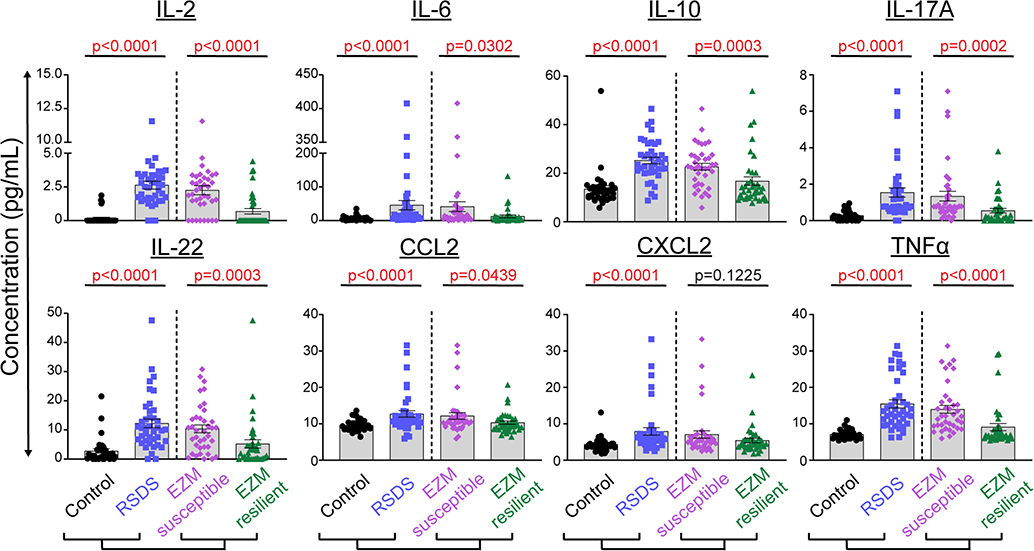
Post-traumatic stress disorder (PTSD) is a psychiatric illness that results in an increased risk for a variety of inflammatory diseases. The exact etiology of this increased risk is unknown, and thus several animal models have been developed to investigate the neuroimmune interactions of PTSD. Repeated social defeat stress (RSDS) is an established preclinical model of psychological trauma that recapitulates certain behavioral and inflammatory aspects of human PTSD. Furthermore, RSDS has been utilized to subgroup animals into susceptible and resilient populations based on one specific behavioral phenotype (i.e., social interaction). Herein, we conducted an extensive investigation of circulating inflammatory proteins after RSDS and found significant elevations in various cytokines and chemokines after exposure to RSDS. When categorizing animals into either susceptible or resilient populations based on social interaction, we found no inflammatory or other behavioral differences between these subgroups. Furthermore, correlative analyses found no significant correlation between social interaction parameters and inflammation. In contrast, parameters from the elevated zero maze (EZM) demonstrated significant associations and clustering to five circulating cytokines. When animals were subdivided into susceptible and resilient populations solely based upon combined EZM performance, significant inflammatory differences were evident between these groups. Strikingly, these circulating inflammatory proteins displayed a stronger predictive ability of EZM performance compared to social interaction test performance. These findings provide new insights into inflammatory markers associated with RSDS, and the utility of EZM to effectively group RSDS-exposed mice into populations with differential levels of peripheral inflammation.
创伤后应激障碍(PTSD)是一种精神疾病,会增加患多种炎症性疾病的风险。这种风险增加的确切病因尚不清楚,因此已经开发了几种动物模型来研究 PTSD 的神经免疫相互作用。重复社交挫败应激(RSDS)是一种已确立的心理创伤临床前模型,可重现人类 PTSD 的某些行为和炎症方面。此外,RSDS 已被用于根据一种特定的行为表型(即社交互动)将动物分为易感和弹性群体。在此,我们对 RSDS 后的循环炎症蛋白进行了广泛的研究,发现暴露于 RSDS 后各种细胞因子和趋化因子显着升高。当根据社交互动将动物分类为易感或弹性群体时,我们在这些亚组之间没有发现炎症或其他行为差异。此外,相关分析发现社交互动参数与炎症之间没有显着相关性。相比之下,高架十字迷宫(EZM)的参数与五种循环细胞因子表现出显着的关联和聚类。当仅根据 EZM 性能将动物细分为易感和弹性群体时,这些组之间存在明显的炎症差异。引人注目的是,这些循环炎症蛋白对 EZM 性能的预测能力明显优于社交互动测试性能。这些发现为与 RSDS 相关的炎症标志物提供了新的见解,以及 EZM 有效将 RSDS 暴露的小鼠分为具有不同外周炎症水平的群体的用途。