Department of Cellular and Integrative Physiology, College of Medicine, University of Nebraska Medical Center, Omaha, Nebraska, United States.
Department of Psychiatry and Behavioral Sciences, Texas A&M Health Science Center, College Station, TX, United States; Department of Medical Physiology, Texas A&M Health Science Center, College Station, TX, United States.
Brain Behav Immun. 2022 Aug;104:18-28. doi: 10.1016/j.bbi.2022.05.007. Epub 2022 May 14.
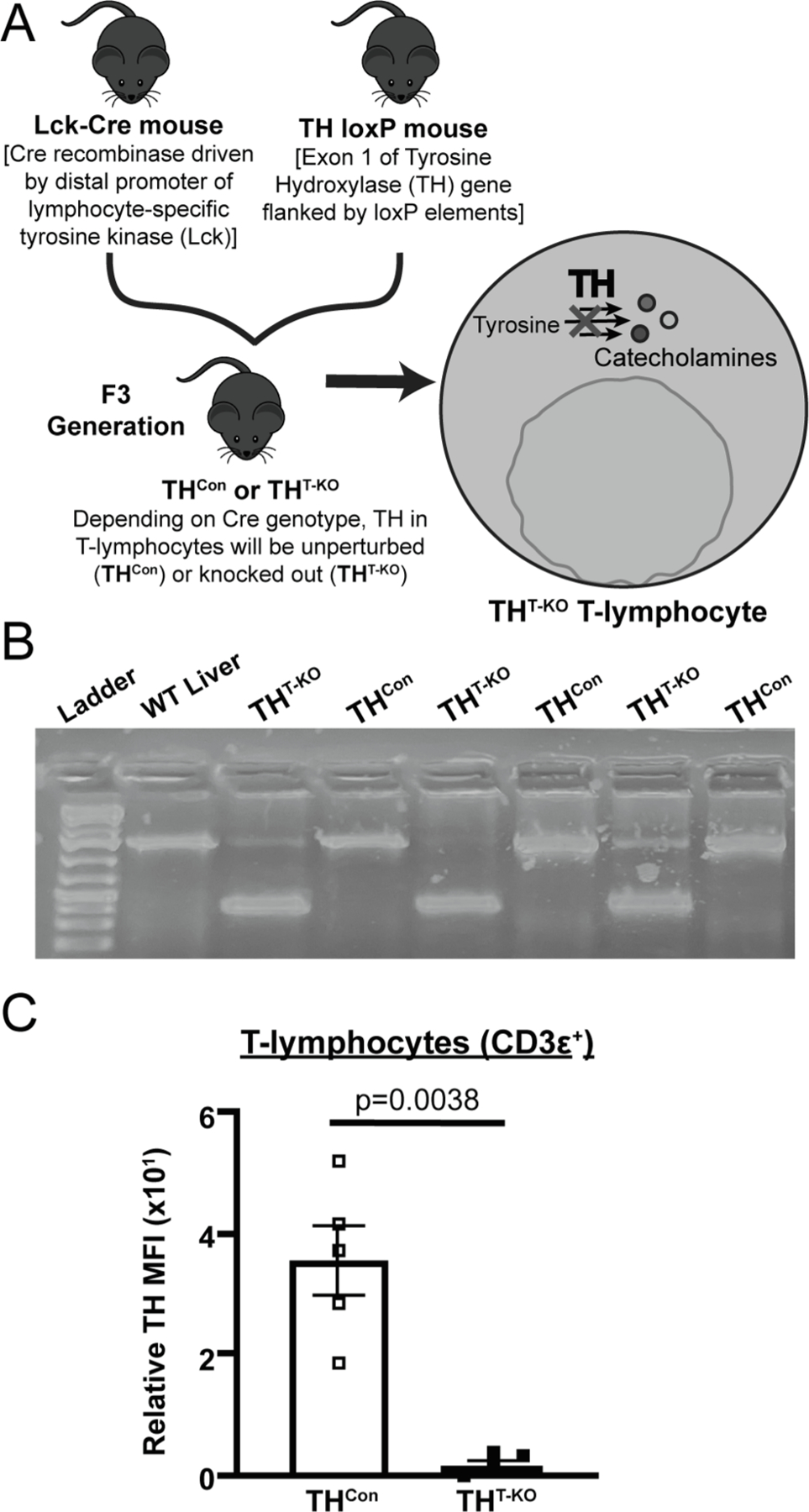
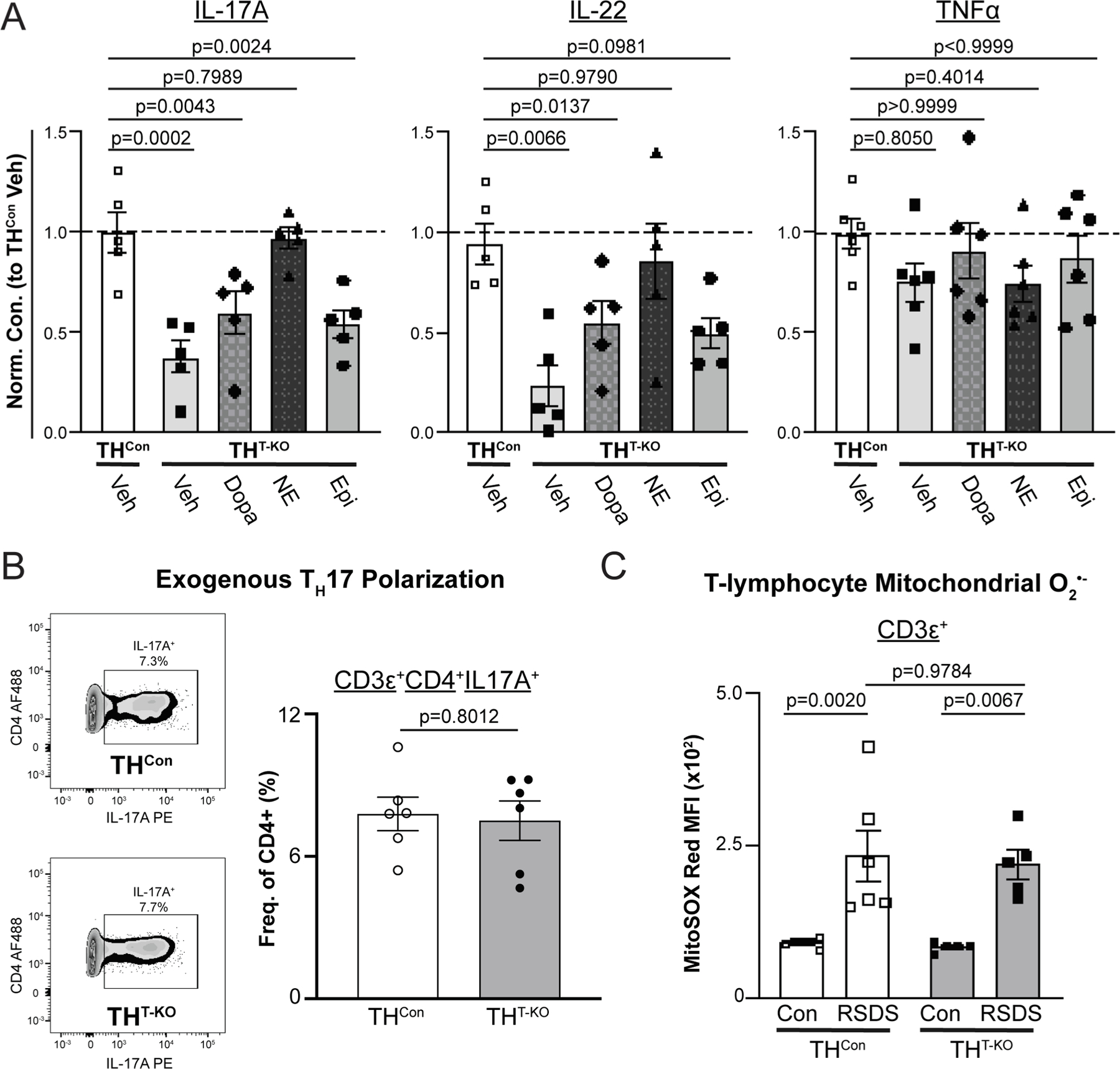
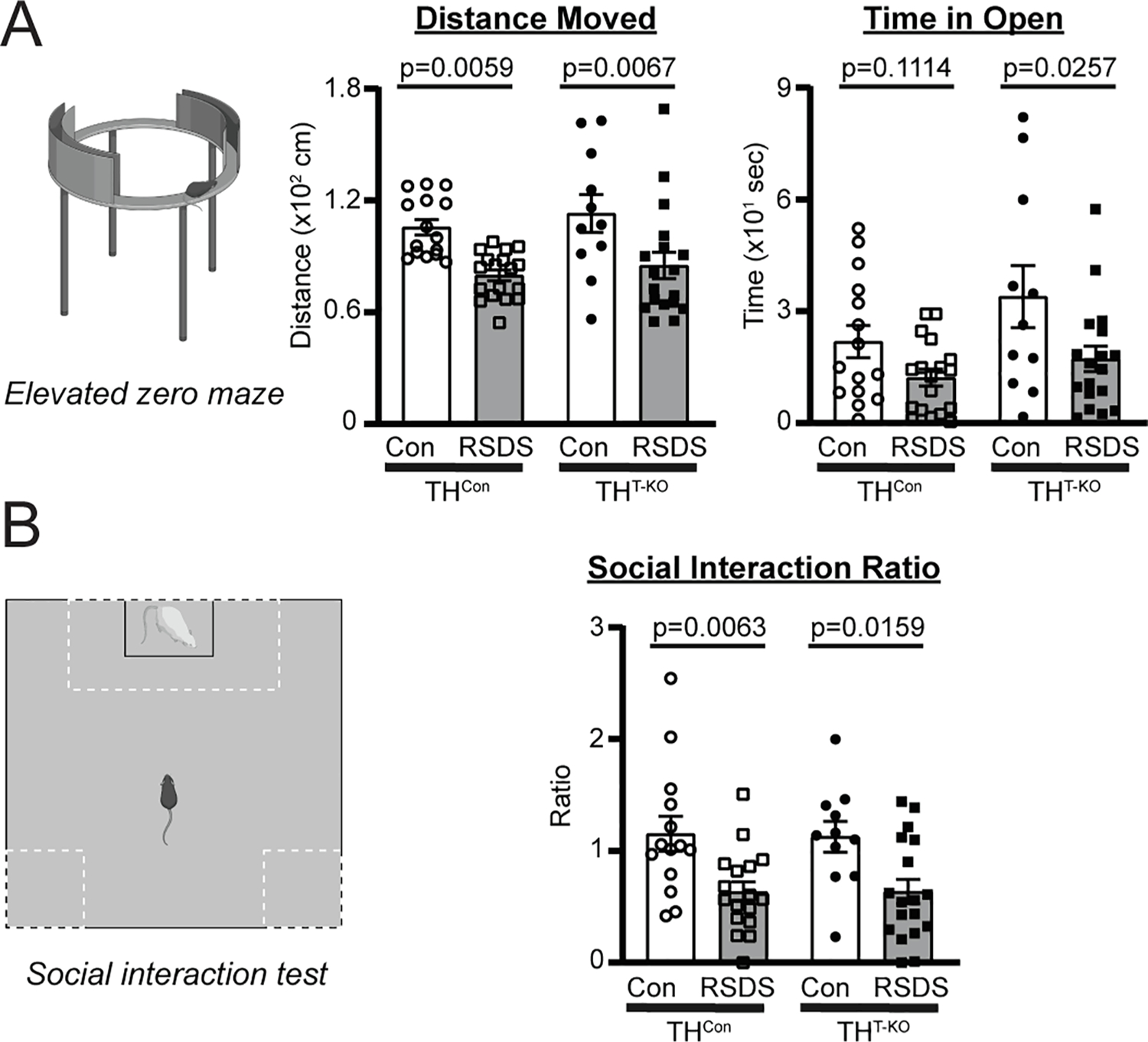
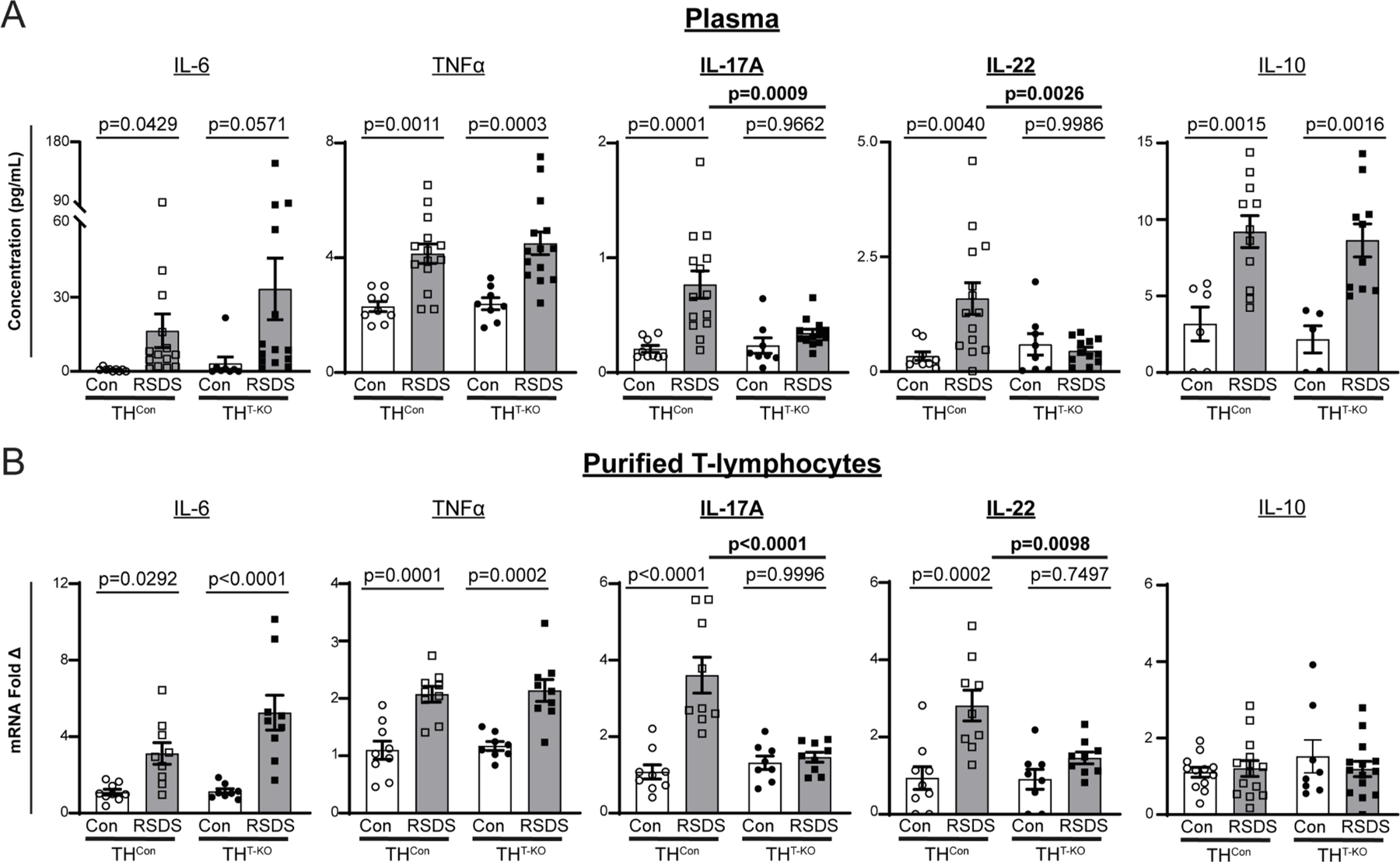
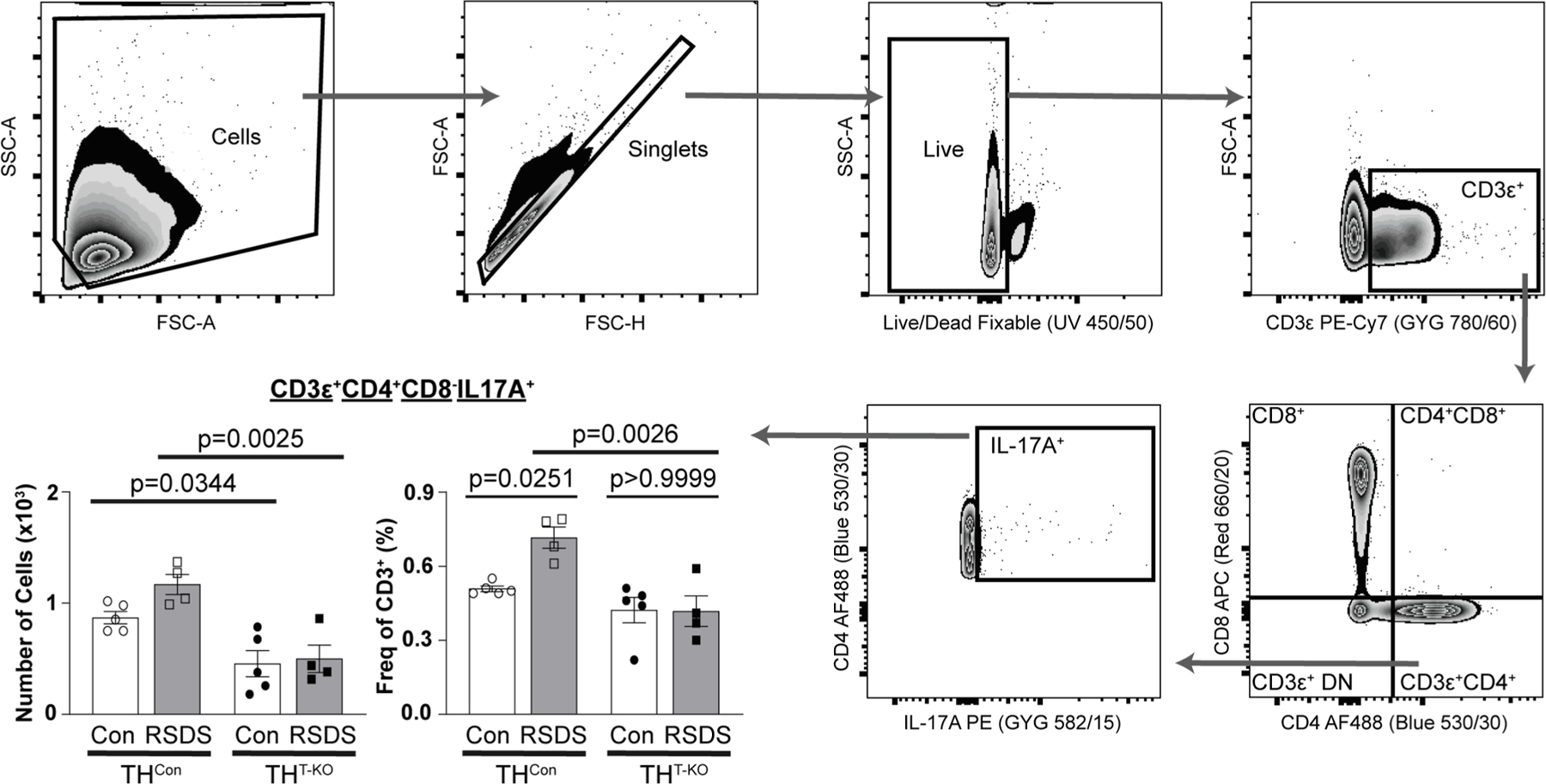
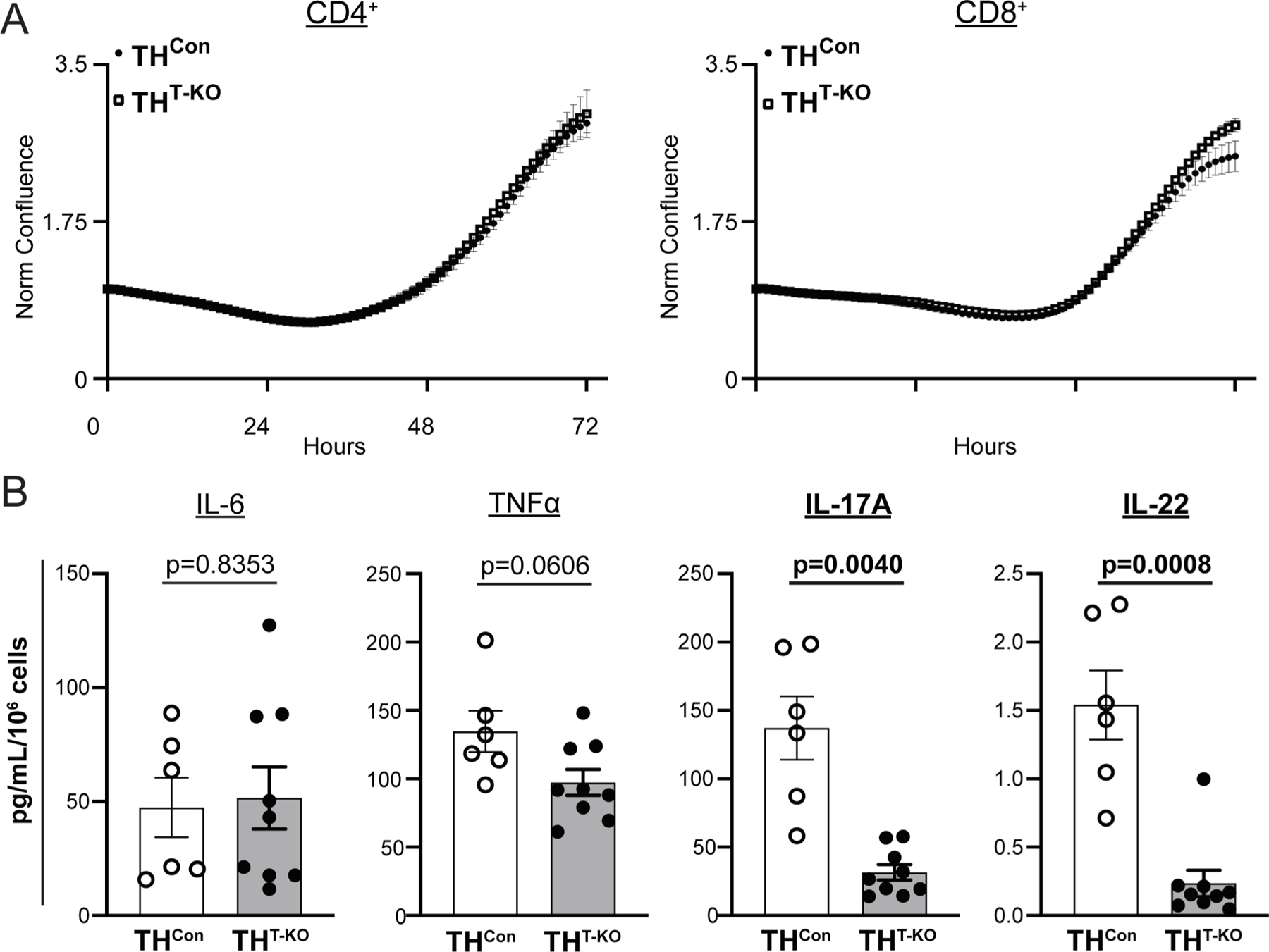
Posttraumatic stress disorder (PTSD) is a debilitating psychiatric disorder which results in deleterious changes to psychological and physical health. Patients with PTSD are especially susceptible to life-threatening co-morbid inflammation-driven pathologies, such as autoimmunity, while also demonstrating increased T-helper 17 (T17) lymphocyte-driven inflammation. While the exact mechanism of this increased inflammation is unknown, overactivity of the sympathetic nervous system is a hallmark of PTSD. Neurotransmitters of the sympathetic nervous system (i.e., catecholamines) can alter T-lymphocyte function, which we have previously demonstrated to be partially mitochondrial redox-mediated. Furthermore, we have previously elucidated that T-lymphocytes generate their own catecholamines, and strong associations exist between tyrosine hydroxylase (TH; the rate-limiting enzyme in the synthesis of catecholamines) and pro-inflammatory interleukin 17A (IL-17A) expression within purified T-lymphocytes in a rodent model of psychological trauma. Therefore, we hypothesized that T-lymphocyte-generated catecholamines drive T17 T-lymphocyte polarization through a mitochondrial superoxide-dependent mechanism during psychological trauma. To test this, T-lymphocyte-specific TH knockout mice (TH) were subjected to psychological trauma utilizing repeated social defeat stress (RSDS). RSDS characteristically increased tumor necrosis factor-α (TNFα), IL-6, IL-17A, and IL-22, however, IL-17A and IL-22 (T17 produced cytokines) were selectively attenuated in circulation and in T-lymphocytes of TH animals. When activated ex vivo, secretion of IL-17A and IL-22 by TH T-lymphocytes was also found to be reduced, but could be partially rescued with supplementation of norepinephrine specifically. Interestingly, TH T-lymphocytes were still able to polarize to T17 under exogenous polarizing conditions. Last, contrary to our hypothesis, we found RSDS-exposed TH T-lymphocytes still displayed elevated mitochondrial superoxide, suggesting increased mitochondrial superoxide is upstream of T-lymphocyte TH induction, activity, and T17 regulation. Overall, these data demonstrate TH in T-lymphocytes plays a critical role in RSDS-induced T17 T-lymphocytes and offer a previously undescribed regulator of inflammation in RSDS.
创伤后应激障碍(PTSD)是一种使人衰弱的精神疾病,会导致心理和身体健康的有害变化。患有 PTSD 的患者特别容易受到危及生命的合并炎症驱动的病理的影响,例如自身免疫,同时也表现出增加的 T 辅助 17(T17)淋巴细胞驱动的炎症。虽然这种炎症增加的确切机制尚不清楚,但交感神经系统的过度活跃是 PTSD 的标志。交感神经系统的神经递质(即儿茶酚胺)可以改变 T 淋巴细胞的功能,我们之前已经证明这部分是通过线粒体氧化还原介导的。此外,我们之前已经阐明,T 淋巴细胞产生自己的儿茶酚胺,并且在心理创伤的啮齿动物模型中,酪氨酸羟化酶(TH;儿茶酚胺合成的限速酶)与促炎白细胞介素 17A(IL-17A)表达之间存在强烈的关联存在于纯化的 T 淋巴细胞内。因此,我们假设 T 淋巴细胞产生的儿茶酚胺通过心理创伤期间的线粒体超氧化物依赖性机制驱动 T17 T 淋巴细胞极化。为了验证这一点,T 淋巴细胞特异性 TH 敲除小鼠(TH)接受了重复社交挫败应激(RSDS)的心理创伤。RSDS 特征性地增加了肿瘤坏死因子-α(TNFα)、IL-6、IL-17A 和 IL-22,然而,循环中和 TH 动物的 T 淋巴细胞中 IL-17A 和 IL-22(T17 产生的细胞因子)选择性减弱。当体外激活时,TH T 淋巴细胞分泌的 IL-17A 和 IL-22 也发现减少,但可以用特定的去甲肾上腺素部分挽救。有趣的是,TH T 淋巴细胞在体外极化条件下仍然能够向 T17 极化。最后,与我们的假设相反,我们发现 RSDS 暴露的 TH T 淋巴细胞仍然显示出升高的线粒体超氧化物,表明线粒体超氧化物的增加是 T 淋巴细胞 TH 诱导、活性和 T17 调节的上游。总的来说,这些数据表明 T 淋巴细胞中的 TH 在 RSDS 诱导的 T17 T 淋巴细胞中发挥关键作用,并提供了 RSDS 中炎症的以前未描述的调节剂。