Department of Biochemistry and Molecular Biology, Cumming School of Medicine, University of Calgary, Calgary, AB, Canada.
Pharmaceutical Production Research Facility, Schulich School of Engineering, University of Calgary, Calgary, AB, Canada.
Commun Biol. 2020 Sep 7;3(1):492. doi: 10.1038/s42003-020-01218-3.
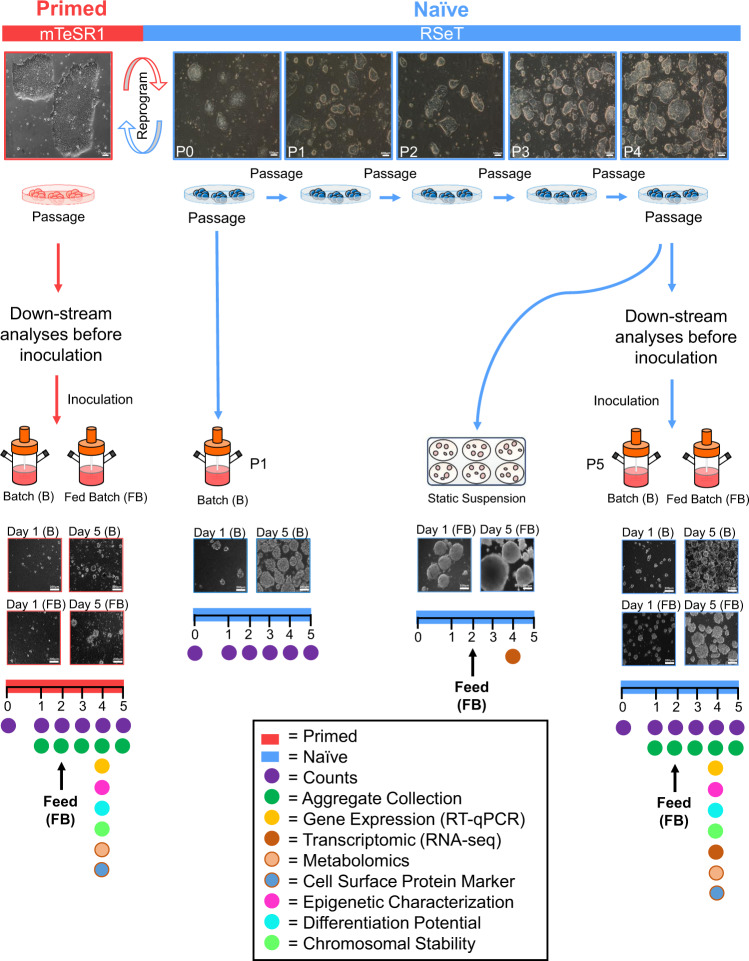
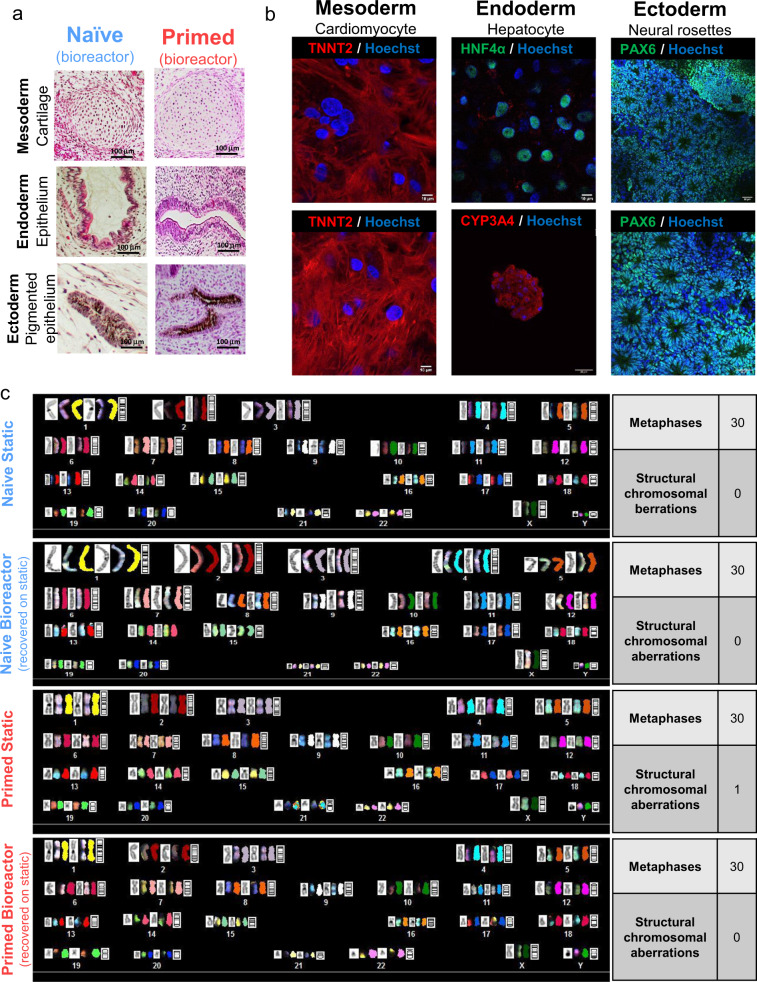
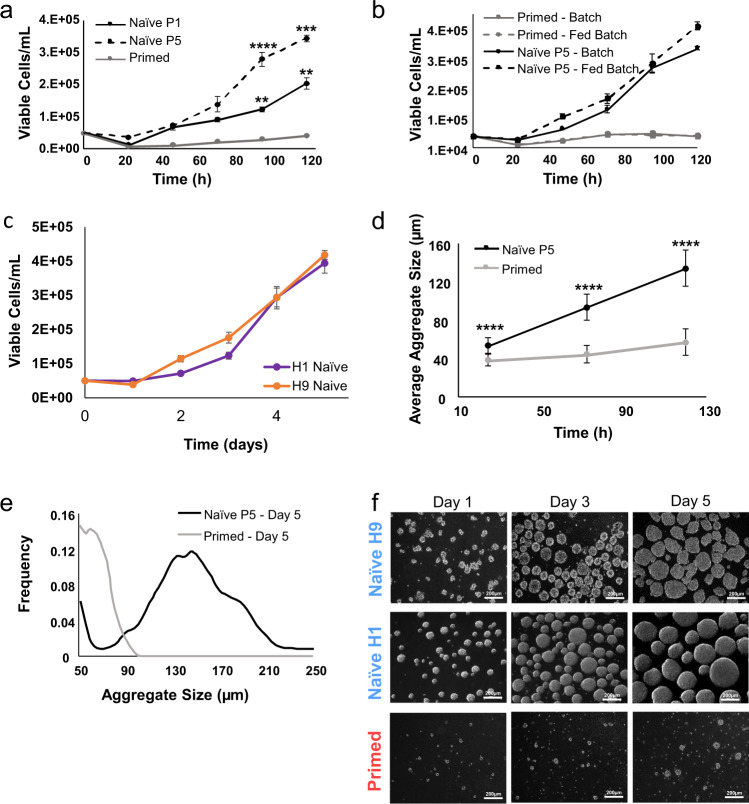
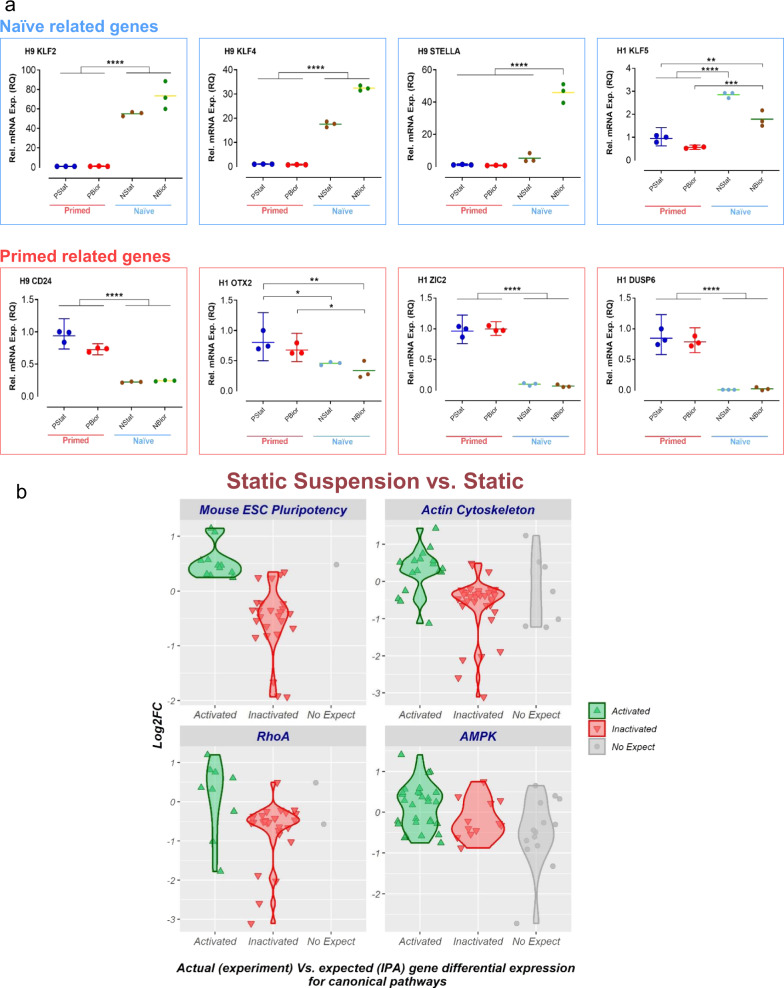
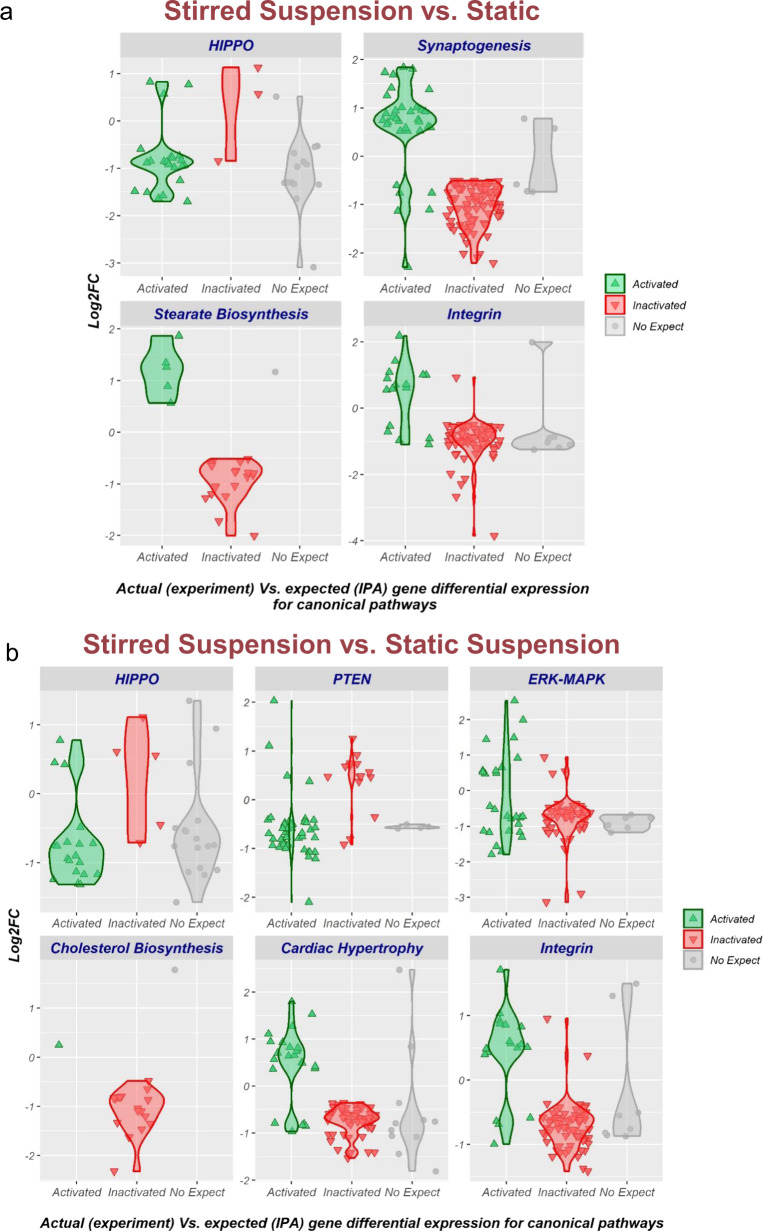
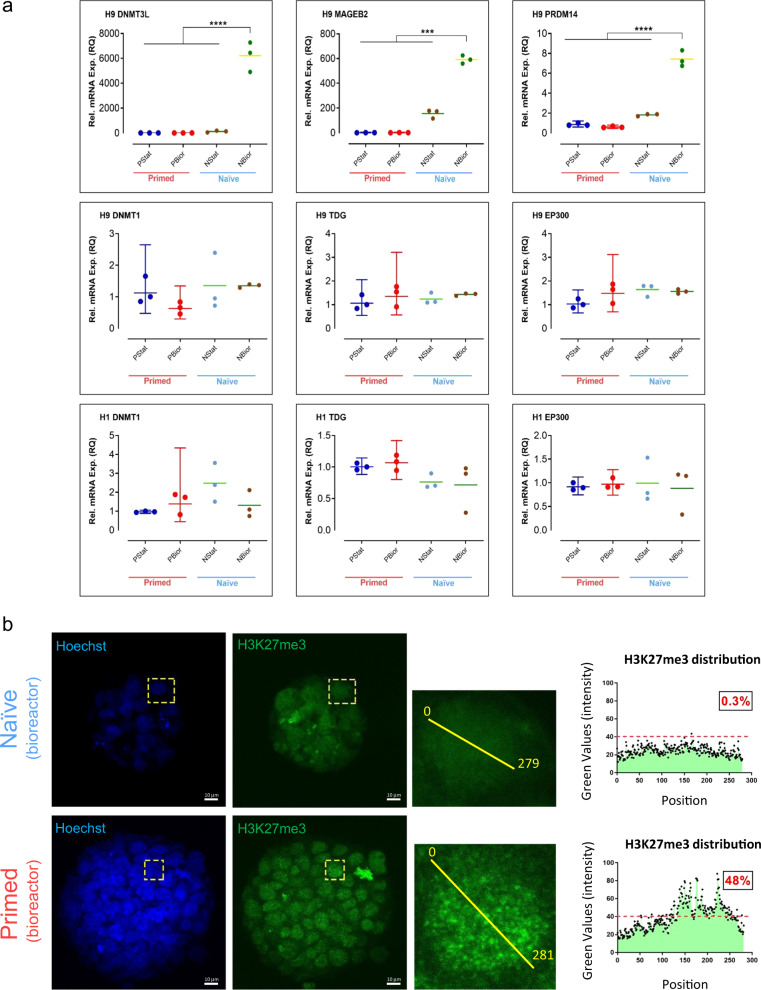
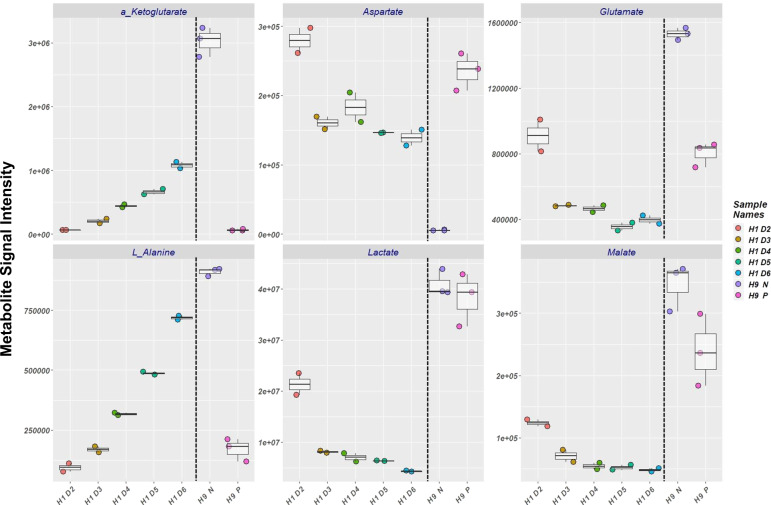
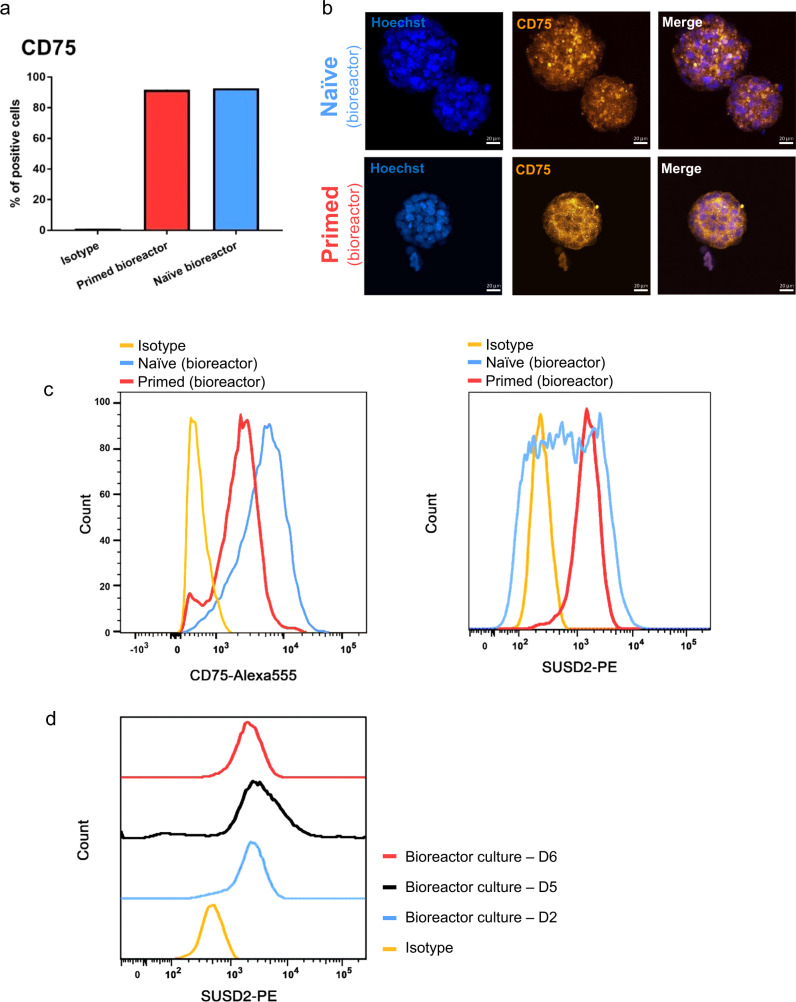
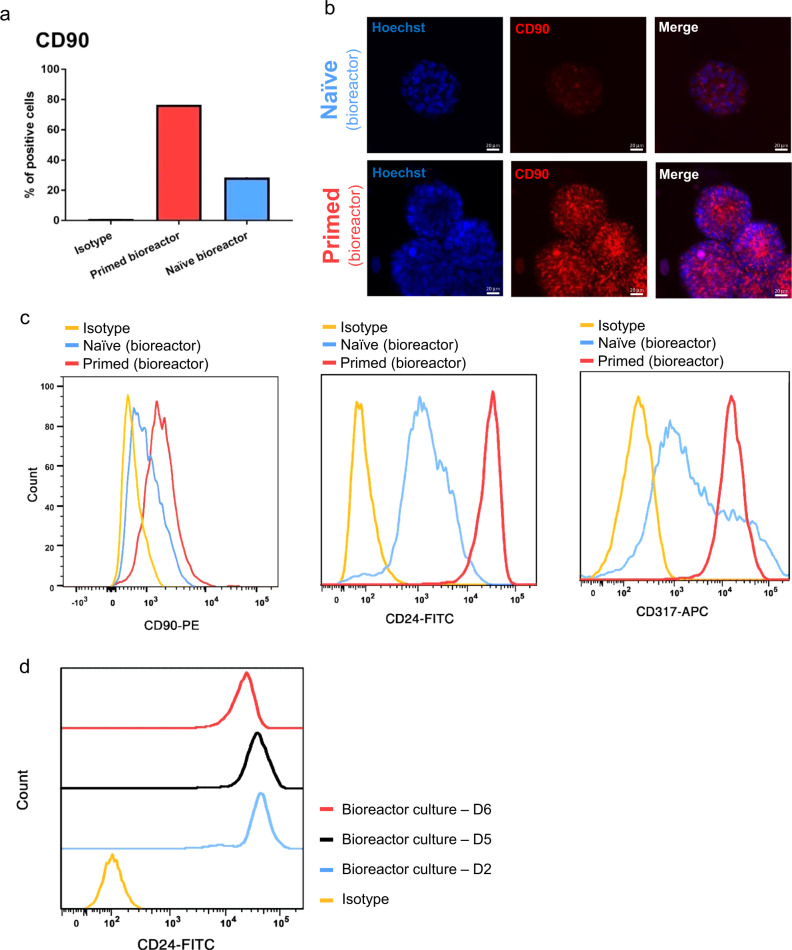
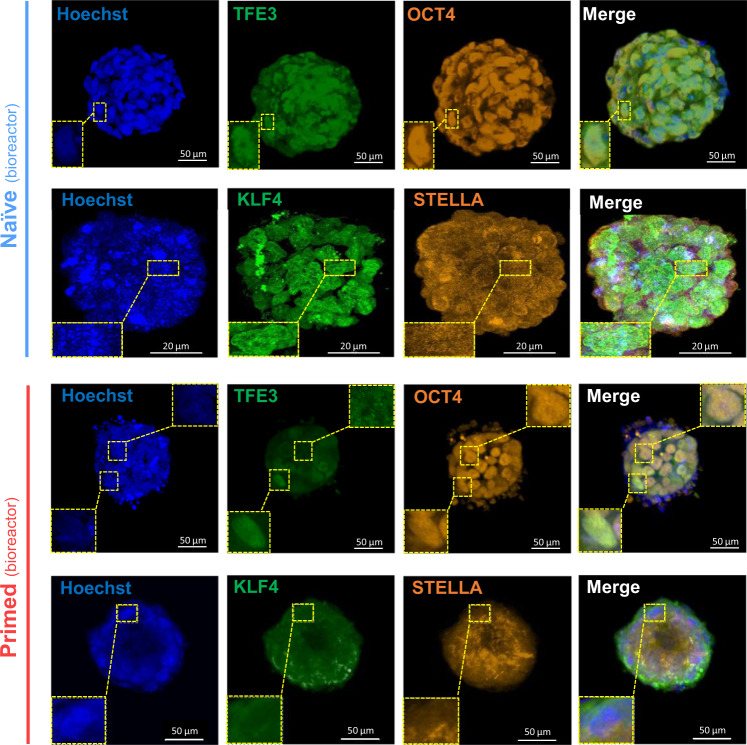
Due to their ability to standardize key physiological parameters, stirred suspension bioreactors can potentially scale the production of quality-controlled pluripotent stem cells (PSCs) for cell therapy application. Because of differences in bioreactor expansion efficiency between mouse (m) and human (h) PSCs, we investigated if conversion of hPSCs, from the conventional "primed" pluripotent state towards the "naïve" state prevalent in mPSCs, could be used to enhance hPSC production. Through transcriptomic enrichment of mechano-sensing signaling, the expression of epigenetic regulators, metabolomics, and cell-surface protein marker analyses, we show that the stirred suspension bioreactor environment helps maintain a naïve-like pluripotent state. Our research corroborates that converting hPSCs towards a naïve state enhances hPSC manufacturing and indicates a potentially important role for the stirred suspension bioreactor's mechanical environment in maintaining naïve-like pluripotency.
由于能够标准化关键生理参数,搅拌悬浮生物反应器有可能规模化生产用于细胞治疗应用的质量可控多能干细胞 (PSC)。由于鼠 (m) 和人 (h) PSC 之间生物反应器扩增效率的差异,我们研究了是否可以将 hPSC 从传统的“已启动”多能状态转化为 mPSC 中普遍存在的“原始”状态,从而提高 hPSC 的产量。通过机械感应信号的转录组富集、表观遗传调控因子的表达、代谢组学和细胞表面蛋白标记物分析,我们表明搅拌悬浮生物反应器环境有助于维持原始样多能状态。我们的研究证实,将 hPSC 向原始状态转化可提高 hPSC 的生产效率,并表明搅拌悬浮生物反应器的机械环境在维持原始样多能性方面可能具有重要作用。