Battaglini Denise, Brunetti Iole, Anania Pasquale, Fiaschi Pietro, Zona Gianluigi, Ball Lorenzo, Giacobbe Daniele Roberto, Vena Antonio, Bassetti Matteo, Patroniti Nicolò, Schenone Angelo, Pelosi Paolo, Rocco Patricia R M, Robba Chiara
Department of Anesthesia and Intensive Care, San Martino Policlinico Hospital, IRCCS for Oncology and Neuroscience, Genoa, Italy.
Department of Neurosurgery, San Martino Policlinico Hospital, IRCCS for Oncology and Neuroscience, Genoa, Italy.
Front Neurol. 2020 Aug 12;11:845. doi: 10.3389/fneur.2020.00845. eCollection 2020.
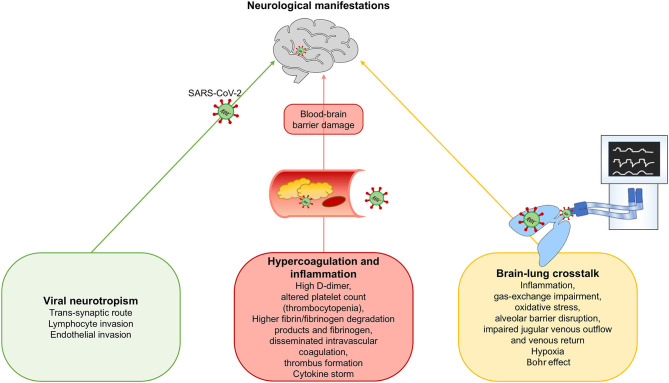
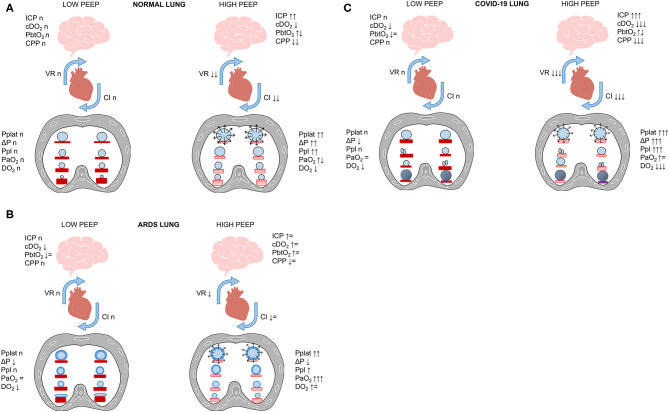
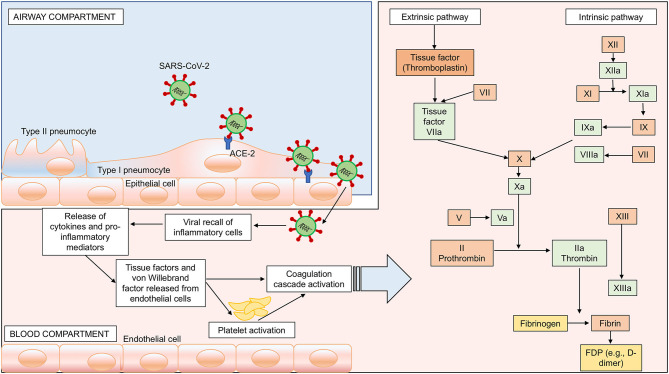
In December 2019, an outbreak of illness caused by a novel coronavirus (2019-nCoV, subsequently renamed SARS-CoV-2) was reported in Wuhan, China. Coronavirus disease 2019 (COVID-19) quickly spread worldwide to become a pandemic. Typical manifestations of COVID-19 include fever, dry cough, fatigue, and respiratory distress. In addition, both the central and peripheral nervous system can be affected by SARS-CoV-2 infection. These neurological changes may be caused by viral neurotropism, by a hyperinflammatory and hypercoagulative state, or even by mechanical ventilation-associated impairment. Hypoxia, endothelial cell damage, and the different impacts of different ventilatory strategies may all lead to increased stress and strain, potentially exacerbating the inflammatory response and leading to a complex interaction between the lungs and the brain. To date, no studies have taken into consideration the possible secondary effect of mechanical ventilation on brain recovery and outcomes. The aim of our review is to provide an updated overview of the potential pathogenic mechanisms of neurological manifestations in COVID-19, discuss the physiological issues related to brain-lung interactions, and propose strategies for optimization of respiratory support in critically ill patients with SARS-CoV-2 pneumonia.
2019年12月,中国武汉报告了由一种新型冠状病毒(2019-nCoV,后更名为严重急性呼吸综合征冠状病毒2)引起的疾病暴发。2019冠状病毒病(COVID-19)迅速在全球传播,成为大流行病。COVID-19的典型表现包括发热、干咳、乏力和呼吸窘迫。此外,严重急性呼吸综合征冠状病毒2感染可累及中枢和外周神经系统。这些神经学改变可能是由病毒嗜神经性、高炎症和高凝状态引起的,甚至可能是由机械通气相关损伤引起的。缺氧、内皮细胞损伤以及不同通气策略的不同影响都可能导致压力和应变增加,可能会加剧炎症反应,并导致肺与脑之间的复杂相互作用。迄今为止,尚无研究考虑机械通气对脑恢复和转归的可能继发影响。我们综述的目的是提供COVID-19神经学表现潜在致病机制的最新概述,讨论与脑-肺相互作用相关的生理学问题,并提出优化严重急性呼吸综合征冠状病毒2肺炎危重症患者呼吸支持的策略。