Rupani P F, Nilashi M, Abumalloh R A, Asadi S, Samad S, Wang S
School of Energy and Power Engineering, Jiangsu University, Zhenjiang, 212013 China.
Institute of Research and Development, Duy Tan University, Da Nang, 550000 Vietnam.
Int J Environ Sci Technol (Tehran). 2020;17(11):4655-4666. doi: 10.1007/s13762-020-02910-x. Epub 2020 Sep 1.
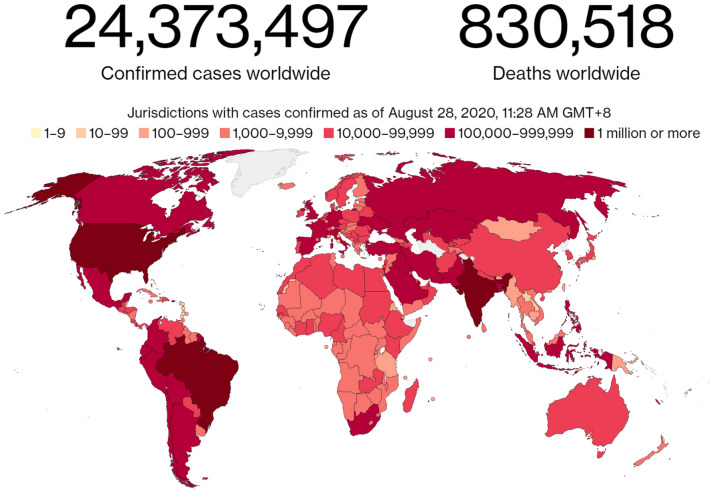
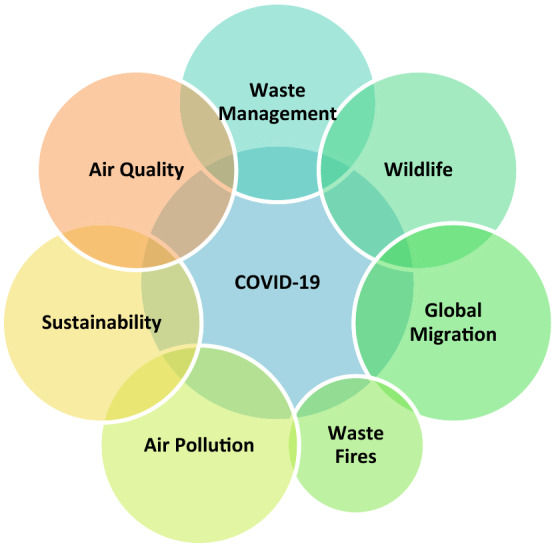
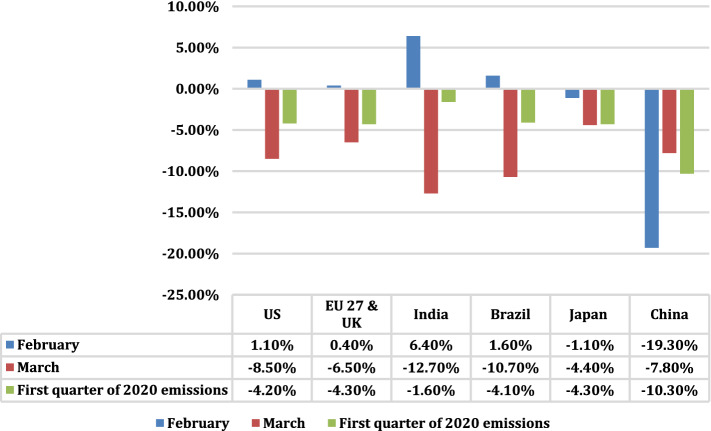
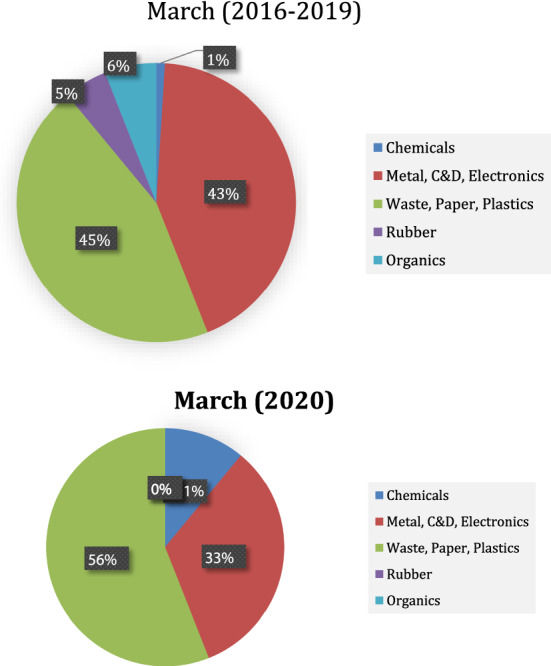
Coronavirus Disease 2019 (COVID-19) is the official name of a respiratory infectious disease caused by a new coronavirus that started first in Wuhan, China, and outspread worldwide with an unexpectedly fast speed. Flights have been canceled worldwide and transportation has been closed nationwide and across international borders. As a consequence, the economic activity has been stopped and stock markets have been dropped. The COVID-19 lockdown has several social and economic effects. Additionally, COVID-19 has caused several impacts on global migration. On the other hand, such lockdown, along with minimal human mobility, has impacted the natural environment somewhat positively. Overall carbon emissions have dropped, and the COVID-19 lockdown has led to an improvement in air quality and a reduction in water pollution in many cities around the globe. A summary of the existing reports of the environmental impacts of COVID-19 pandemic are discussed and the important findings are presented focusing on several aspects: air pollution, waste management, air quality improvements, waste fires, wildlife, global migration, and sustainability.
2019冠状病毒病(COVID-19)是一种由新型冠状病毒引起的呼吸道传染病的正式名称,该病毒最初在中国武汉出现,并以惊人的速度在全球传播。全球范围内的航班已被取消,国内和国际边界的交通已被关闭。因此,经济活动停止,股市下跌。COVID-19封锁产生了若干社会和经济影响。此外,COVID-19对全球移民也造成了若干影响。另一方面,这种封锁以及极少的人员流动对自然环境产生了一些积极影响。总体碳排放量下降,COVID-19封锁导致全球许多城市的空气质量得到改善,水污染减少。本文讨论了关于COVID-19大流行对环境影响的现有报告的总结,并重点从空气污染、废物管理、空气质量改善、废物焚烧、野生动物、全球移民和可持续性等几个方面介绍了重要发现。