Department of Neurosurgery, Keio University School of Medicine.
Neurol Med Chir (Tokyo). 2020 Oct 15;60(10):483-491. doi: 10.2176/nmc.ra.2020-0049. Epub 2020 Sep 8.
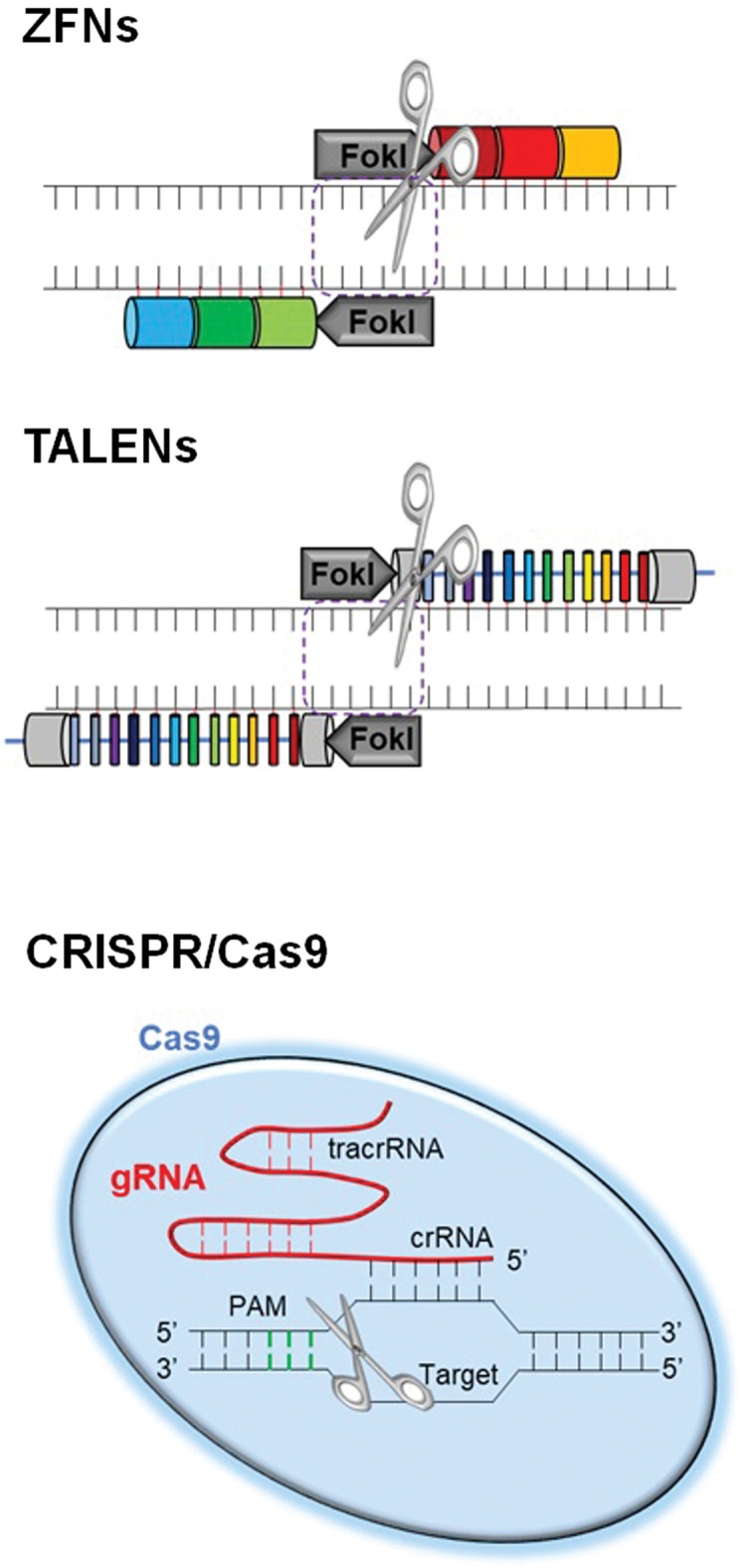
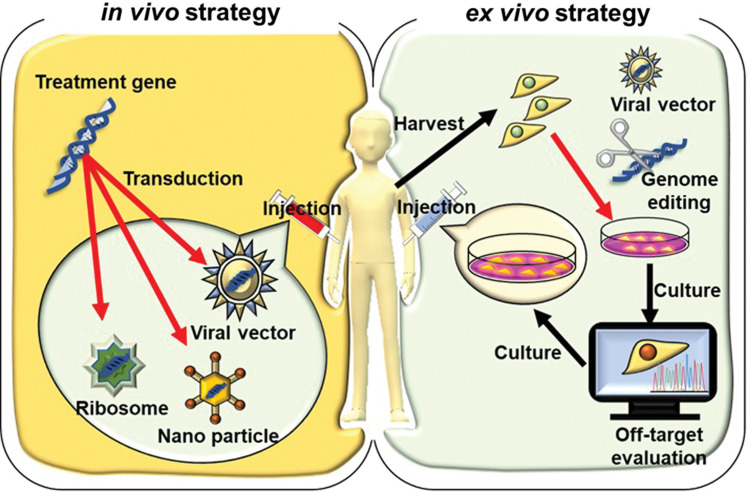
The concepts of gene therapy were initially introduced during the 1960s. Since the early 1990s, more than 1900 clinical trials have been conducted for the treatment of genetic diseases and cancers mainly using viral vectors. Although a variety of methods have also been performed for the treatment of malignant gliomas, it has been difficult to target invasive glioma cells. To overcome this problem, immortalized neural stem cell (NSC) and a nonlytic, amphotropic retroviral replicating vector (RRV) have attracted attention for gene delivery to invasive glioma. Recently, genome editing technology targeting insertions at site-specific locations has advanced; in particular, the clustered regularly interspaced palindromic repeats/CRISPR-associated-9 (CRISPR/Cas9) has been developed. Since 2015, more than 30 clinical trials have been conducted using genome editing technologies, and the results have shown the potential to achieve positive patient outcomes. Gene therapy using CRISPR technologies for the treatment of a wide range of diseases is expected to continuously advance well into the future.
基因治疗的概念最初是在 20 世纪 60 年代提出的。自 20 世纪 90 年代初以来,已经进行了超过 1900 项临床试验,主要使用病毒载体来治疗遗传疾病和癌症。尽管也有多种方法用于治疗恶性神经胶质瘤,但靶向侵袭性神经胶质瘤细胞一直存在困难。为了克服这个问题,永生化神经干细胞(NSC)和非溶血性、双嗜性逆转录病毒复制载体(RRV)已被用于侵袭性神经胶质瘤的基因递送而受到关注。最近,针对特定位置插入的基因组编辑技术已经取得了进展;特别是,簇状规律间隔短回文重复序列/CRISPR 相关-9(CRISPR/Cas9)已经得到开发。自 2015 年以来,已经使用基因组编辑技术进行了超过 30 项临床试验,结果表明有潜力实现积极的患者结果。使用 CRISPR 技术治疗广泛疾病的基因治疗有望在未来持续推进。