
呼吸道疾病患者对降低新冠病毒感染风险措施的体验:来自英国一项描述性横断面调查的结果
Respiratory patient experience of measures to reduce risk of COVID-19: findings from a descriptive cross-sectional UK wide survey.
作者信息
Philip Keir, Cumella Andrew, Farrington-Douglas Joe, Laffan Michael, Hopkinson Nicholas
机构信息
National Heart and Lung Institute, Imperial College London, London, UK
Asthma UK and British Lung Foundation Partnership, London, UK.
出版信息
BMJ Open. 2020 Sep 9;10(9):e040951. doi: 10.1136/bmjopen-2020-040951.
OBJECTIVES
To assess the experience of people with long-term respiratory conditions regarding the impact of measures to reduce risk of COVID-19.
DESIGN
Analysis of data (n=9515) from the Asthma UK and British Lung Foundation partnership COVID-19 survey collected online between 1 and 8 April 2020.
SETTING
Community.
PARTICIPANTS
9515 people with self-reported long-term respiratory conditions. 81% female, age ranges from ≤17 years to 80 years and above, from all nations of the UK. Long-term respiratory conditions reported included asthma (83%), chronic obstructive pulmonary disease (10%), bronchiectasis (4%), interstitial lung disease (2%) and 'other' (<1%) (eg, lung cancer and pulmonary endometriosis).
OUTCOME MEASURES
Study responses related to impacts on key elements of healthcare, as well as practical, psychological and social consequences related to the COVID-19 pandemic and social distancing measures.
RESULTS
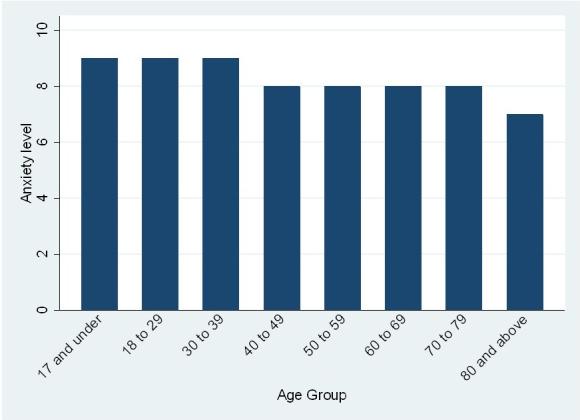
45% reported disruptions to care, including cancellations of appointments, investigations, pulmonary rehabilitation, treatment and monitoring. Other practical impacts such as difficulty accessing healthcare services for other issues and getting basic necessities such as food were also common. 36% did not use online prescriptions, and 54% had not accessed online inhaler technique videos. Psychosocial impacts including anxiety, loneliness and concerns about personal health and family were prevalent. 81% reported engaging in physical activity. Among the 11% who were smokers, 48% reported they were planning to quit smoking because of COVID-19.
CONCLUSIONS
COVID-19 and related social distancing measures are having profound impacts on people with chronic respiratory conditions. Urgent adaptation and signposting of services is required to mitigate the negative health consequences of the COVID-19 response for this group.
目的
评估患有长期呼吸系统疾病的人群对于降低新冠病毒肺炎(COVID-19)风险措施影响的体验。
设计
对英国哮喘协会和英国肺脏基金会合作开展的COVID-19在线调查数据(n = 9515)进行分析,调查于2020年4月1日至8日进行。
地点
社区。
参与者
9515名自我报告患有长期呼吸系统疾病的人。女性占81%,年龄范围从17岁及以下至80岁及以上,来自英国所有地区。报告的长期呼吸系统疾病包括哮喘(83%)、慢性阻塞性肺疾病(10%)、支气管扩张症(4%)、间质性肺疾病(2%)以及“其他”(<1%)(如肺癌和肺子宫内膜异位症)。
结局指标
研究中与医疗保健关键要素影响相关的回复,以及与COVID-19大流行和社交距离措施相关的实际、心理和社会后果。
结果
45%的人报告护理受到干扰,包括预约、检查、肺康复、治疗和监测的取消。其他实际影响,如因其他问题难以获得医疗服务以及获取食品等基本必需品也很常见。36%的人未使用在线处方,54%的人未观看在线吸入器技术视频。心理社会影响包括焦虑、孤独以及对个人健康和家人的担忧普遍存在。81%的人报告进行体育活动。在11%的吸烟者中,48%的人报告他们因COVID-19计划戒烟。
结论
COVID-19及相关社交距离措施对慢性呼吸系统疾病患者产生了深远影响。需要紧急调整和指引服务,以减轻COVID-19应对措施对该群体的负面健康后果。
 Zotero 插件